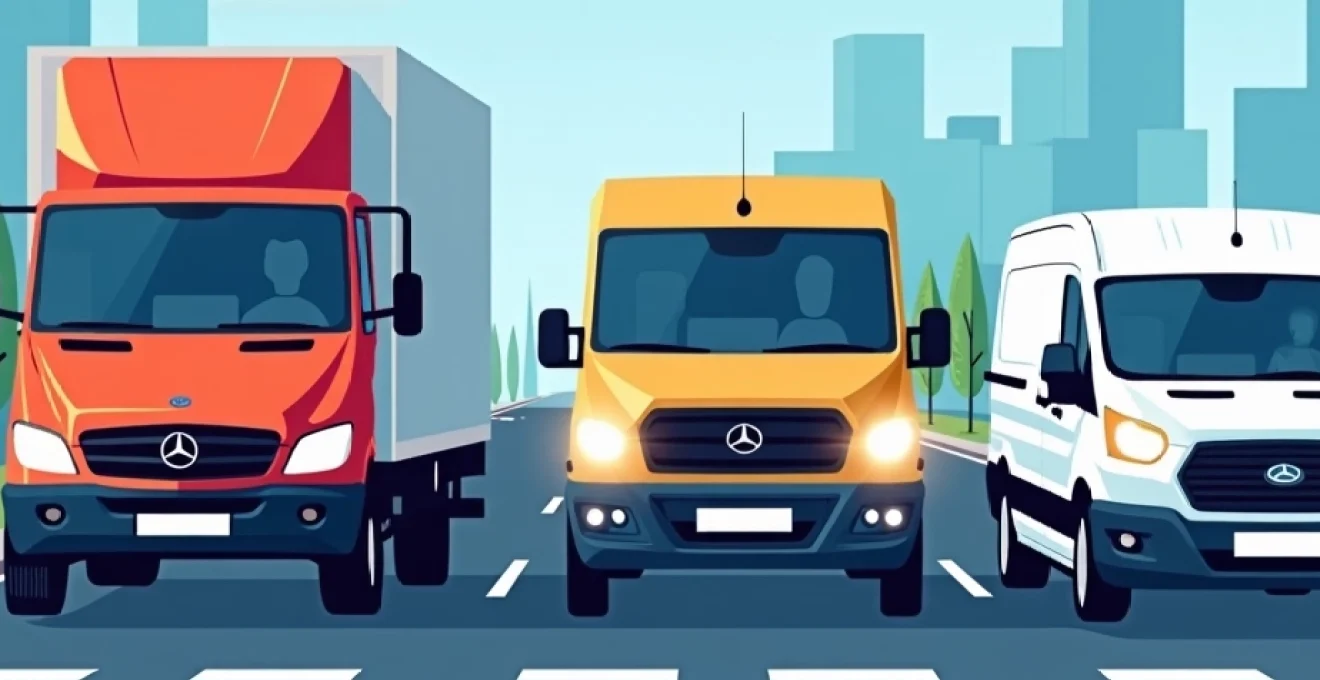
Fleet management has evolved significantly in recent years, driven by technological advances, regulatory changes, and the growing complexity of modern business operations. Managing a diverse fleet comprising cars, trucks, and vans presents unique challenges that require strategic planning, robust systems, and comprehensive understanding of regulatory requirements. The diversity of vehicle types, each with distinct operational parameters, maintenance needs, and compliance requirements, demands a sophisticated approach to fleet management that goes beyond traditional vehicle tracking.
Modern fleet managers oversee operations that span multiple vehicle categories, from compact passenger cars used for urban deliveries to heavy goods vehicles transporting substantial cargo loads. This complexity is further amplified by the integration of electric vehicles , varying driver licence requirements, and evolving emissions regulations. The ability to effectively coordinate these diverse assets whilst maintaining operational efficiency, regulatory compliance, and cost control has become a critical business competency that directly impacts profitability and service delivery.
Fleet composition analysis and vehicle category segmentation
Understanding the distinct characteristics and requirements of different vehicle categories forms the foundation of effective fleet management. The complexity of managing diverse fleets stems from the varying operational parameters, regulatory requirements, and maintenance protocols that apply to different vehicle types. Fleet managers must develop comprehensive strategies that account for these differences whilst maintaining operational coherence across the entire fleet.
Vehicle segmentation extends beyond simple size classifications to encompass operational purpose, regulatory framework, and technical specifications. The strategic allocation of vehicle types to specific operational roles requires careful analysis of route characteristics , payload requirements, driver qualifications, and regulatory constraints. This analytical approach ensures optimal vehicle utilisation whilst minimising operational costs and regulatory risks.
Light commercial vehicle classification: ford transit connect vs mercedes sprinter
Light commercial vehicles represent a significant portion of modern fleet compositions, with models like the Ford Transit Connect and Mercedes Sprinter serving different operational niches. The Ford Transit Connect, with its compact dimensions and urban-friendly design, excels in congested city environments where manoeuvrability and parking constraints are primary considerations. Its smaller cargo capacity makes it ideal for parcel delivery services, service engineer visits, and light goods transportation where frequency of stops outweighs cargo volume.
The Mercedes Sprinter, conversely, offers substantially greater cargo capacity and versatility, making it suitable for operations requiring significant payload capability or specialised configurations. The Sprinter’s modular design allows for various body configurations, from refrigerated units for food distribution to high-roof variants for bulky cargo transportation. Fleet managers must carefully assess operational requirements to determine the optimal mix of these vehicle types, considering factors such as fuel efficiency, maintenance costs, and driver training requirements.
Heavy goods vehicle weight classifications and DVLA requirements
Heavy goods vehicle classifications significantly impact fleet management strategies, with weight thresholds determining licensing requirements, operational restrictions, and compliance obligations. Vehicles exceeding 3,500kg require specialised driver licensing, operator licensing, and adherence to drivers’ hours regulations that fundamentally alter operational planning. The transition from light commercial vehicles to heavy goods vehicles represents a significant step change in regulatory complexity and operational requirements.
Fleet managers must navigate the DVLA’s classification system, which distinguishes between various weight categories and their associated requirements. Understanding these classifications enables strategic fleet planning that optimises operational capability whilst minimising regulatory burden. The decision to operate vehicles above or below specific weight thresholds can significantly impact driver recruitment, training costs, and operational flexibility, making this a critical consideration in fleet composition planning.
Passenger carrying vehicle licencing for Multi-Purpose fleets
Multi-purpose fleets often include vehicles designed for passenger transportation, introducing additional licensing and regulatory considerations. Vehicles configured to carry more than eight passengers require specialised licensing and compliance with passenger service vehicle regulations. This complexity increases when vehicles are used for mixed purposes, potentially carrying both passengers and goods depending on operational requirements.
The regulatory framework surrounding passenger-carrying vehicles encompasses driver qualification requirements, vehicle testing protocols, and operational restrictions that differ significantly from goods vehicle regulations. Fleet managers must ensure comprehensive understanding of these requirements and implement systems to maintain compliance across varying operational scenarios. The dual-use nature of many fleet vehicles requires careful documentation and procedural controls to ensure appropriate licensing and insurance coverage for different operational contexts.
Electric vehicle integration: tesla model 3 and nissan e-NV200 considerations
Electric vehicle integration represents one of the most significant developments in contemporary fleet management, with models like the Tesla Model 3 and Nissan e-NV200 offering compelling operational benefits alongside unique management challenges. The Tesla Model 3’s advanced technology platform and impressive range capabilities make it suitable for executive transport and long-distance business travel, whilst its sophisticated telematics provide unprecedented visibility into vehicle performance and utilisation.
The Nissan e-NV200 addresses commercial vehicle electrification with practical cargo capacity and urban-optimised range characteristics. Its integration into delivery fleets offers significant operational cost savings through reduced fuel expenses and lower maintenance requirements. However, fleet managers must carefully consider charging infrastructure requirements, range limitations, and the impact of battery degradation on long-term operational costs when planning electric vehicle deployment strategies.
Telematics implementation and fleet tracking systems
Modern fleet management is impossible without sophisticated telematics systems that provide real-time visibility into vehicle location, performance, and utilisation. The implementation of comprehensive telematics platforms transforms fleet management from reactive to proactive, enabling predictive maintenance, optimised routing, and enhanced driver safety. The complexity of managing diverse fleets demands telematics solutions that can accommodate varying vehicle types, operational requirements, and reporting needs whilst maintaining system coherence and data integrity.
Telematics implementation requires careful consideration of hardware compatibility, data integration capabilities, and user interface requirements across different vehicle categories. The diversity of fleet compositions means that telematics solutions must be flexible enough to accommodate everything from compact cars to heavy commercial vehicles, each with different mounting requirements, power systems, and operational parameters. This flexibility must be balanced against the need for standardised reporting and management interfaces that enable efficient fleet oversight.
GPS fleet management platforms: teletrac navman and quartix comparison
Leading GPS fleet management platforms like Teletrac Navman and Quartix offer comprehensive solutions for diverse fleet management, each with distinct strengths and capabilities. Teletrac Navman’s enterprise-focused platform provides extensive customisation options and advanced analytics capabilities that suit large, complex fleet operations. Its robust reporting suite and integration capabilities make it particularly suitable for organisations requiring detailed operational analysis and compliance reporting across multiple vehicle categories.
Quartix offers a more streamlined approach that emphasises ease of use and rapid deployment, making it attractive for smaller to medium-sized fleets seeking efficient tracking and management capabilities without extensive customisation requirements. The platform’s intuitive interface and straightforward installation process enable quick implementation across diverse vehicle types. Fleet managers must evaluate these platforms based on their specific operational requirements, technical capabilities, and growth projections to ensure optimal system selection.
Driver behaviour monitoring through CAN bus data integration
CAN bus data integration represents the most sophisticated approach to driver behaviour monitoring, providing detailed insights into vehicle operation that extend far beyond basic GPS tracking. This technology accesses the vehicle’s internal communication network to gather comprehensive data on acceleration patterns, braking behaviour, engine performance, and numerous other operational parameters. The richness of this data enables precise assessment of driving efficiency, safety compliance, and vehicle utilisation across diverse fleet compositions.
The implementation of CAN bus monitoring requires careful consideration of vehicle compatibility, as different manufacturers use varying protocols and data formats. Modern telematics systems must accommodate these differences whilst providing standardised reporting that enables consistent performance assessment across the entire fleet. The granular nature of CAN bus data enables identification of specific improvement opportunities for individual drivers and vehicles, supporting targeted training and operational optimisation initiatives.
Fuel consumption analytics using OBD-II port connectivity
OBD-II port connectivity provides standardised access to vehicle diagnostic information, including precise fuel consumption data that enables sophisticated analytics and cost management. This approach offers significant advantages over traditional fuel card monitoring by providing real-time consumption data that can be correlated with driving behaviour, route characteristics, and vehicle loading. The resulting insights enable fleet managers to identify efficiency opportunities and implement targeted improvement strategies.
Advanced fuel analytics platforms utilise OBD-II data to establish baseline consumption patterns for different vehicle types and operational scenarios. These baselines enable identification of vehicles performing outside normal parameters, potentially indicating mechanical issues, inappropriate usage, or driver behaviour requiring attention. The ability to track fuel efficiency across diverse vehicle types provides valuable insights for fleet composition optimisation and replacement planning decisions.
Real-time vehicle diagnostics and predictive maintenance alerts
Real-time vehicle diagnostics represent a paradigm shift from reactive to predictive fleet maintenance, utilising continuous monitoring to identify potential issues before they result in breakdowns or expensive repairs. Modern telematics systems monitor numerous vehicle parameters simultaneously, comparing current performance against established baselines to detect anomalies that may indicate developing problems. This approach is particularly valuable for diverse fleets where different vehicle types have varying maintenance requirements and failure patterns.
Predictive maintenance alerts enable fleet managers to schedule maintenance interventions during convenient operational windows rather than responding to unexpected breakdowns. The sophistication of modern diagnostic systems allows for prioritisation of maintenance alerts based on severity and operational impact, enabling efficient allocation of maintenance resources across diverse vehicle types. This approach significantly reduces operational disruption whilst extending vehicle lifecycles and reducing maintenance costs.
Maintenance scheduling protocols across vehicle categories
Effective maintenance scheduling across diverse fleet compositions requires sophisticated understanding of varying service intervals, regulatory requirements, and operational demands for different vehicle categories. The complexity of managing maintenance for cars, trucks, and vans simultaneously stems from their different usage patterns, mechanical specifications, and regulatory frameworks. Each vehicle category operates under distinct maintenance protocols that must be coordinated within an overall fleet maintenance strategy to ensure optimal vehicle availability whilst maintaining safety and compliance standards.
The development of comprehensive maintenance protocols requires careful consideration of manufacturer recommendations, regulatory requirements, and operational experience to establish service intervals that balance cost, safety, and reliability. Modern fleet management systems must accommodate these varying requirements whilst providing centralised oversight and reporting capabilities that enable efficient resource allocation and compliance monitoring. The strategic approach to maintenance scheduling considers both individual vehicle needs and overall fleet operational requirements to optimise service delivery and cost management.
Preventive maintenance intervals for commercial vehicle classes
Preventive maintenance intervals vary significantly across commercial vehicle classes, with light commercial vehicles typically requiring service every 10,000 to 20,000 miles depending on operational conditions and manufacturer specifications. Heavy commercial vehicles often require more frequent attention due to their intensive usage patterns and complex mechanical systems. The establishment of appropriate service intervals requires careful analysis of manufacturer recommendations, operational conditions, and historical maintenance data to optimise vehicle reliability whilst controlling costs.
Fleet managers must consider that severe operational conditions, such as frequent stop-start driving, heavy loading, or extreme temperatures, may require shortened service intervals to maintain optimal vehicle performance. The diversity of fleet compositions means that different vehicles may operate under varying conditions simultaneously, requiring flexible maintenance scheduling systems that can accommodate these differences. Regular review and adjustment of maintenance intervals based on actual vehicle performance and failure patterns ensures optimal maintenance efficiency across the entire fleet.
MOT testing schedules and commercial vehicle inspection requirements
MOT testing schedules for commercial vehicles follow specific timelines that vary by vehicle type and usage, with most commercial vehicles requiring annual testing after their first year of operation. The scheduling of MOT tests across diverse fleets requires careful coordination to avoid operational disruption whilst ensuring compliance with legal requirements. Fleet managers must maintain comprehensive records of test dates and results whilst planning for potential failures that may require additional time off the road for remedial work.
The key to successful MOT management lies in proactive scheduling and preparation, ensuring vehicles are presented for testing in optimal condition to minimise failure rates and associated downtime.
Commercial vehicle inspection requirements extend beyond basic MOT testing to include daily walk-around checks, regular safety inspections, and specialised testing for certain vehicle types. The implementation of comprehensive inspection protocols ensures early identification of potential issues whilst maintaining detailed records for compliance purposes. Digital inspection systems enable efficient recording and tracking of inspection results across diverse vehicle types, providing centralised oversight of fleet safety compliance.
Tyre management systems for mixed fleet operations
Tyre management represents a significant cost centre and safety consideration for mixed fleet operations, with different vehicle types requiring distinct tyre specifications, pressure requirements, and replacement criteria. Light commercial vehicles typically use passenger car tyres with different load ratings, whilst heavy commercial vehicles require specialised commercial tyres designed for higher loads and extended mileage. The diversity of tyre requirements across fleet compositions necessitates sophisticated inventory management and maintenance protocols.
Modern tyre management systems utilise pressure monitoring technology and tread depth measurement tools to optimise tyre lifecycle and safety compliance. Regular pressure checks and rotation schedules help maximise tyre life whilst maintaining safety standards across different vehicle types. The implementation of standardised tyre management protocols enables bulk purchasing advantages whilst ensuring appropriate specifications for different operational requirements within the fleet.
Adblue management and euro 6 emissions compliance
AdBlue management has become a critical operational consideration for fleets operating Euro 6 compliant vehicles, requiring systematic monitoring and replenishment to maintain emissions compliance and vehicle operability. Modern diesel vehicles utilise Selective Catalytic Reduction technology that requires regular AdBlue top-ups to function correctly, with insufficient levels resulting in vehicle performance limitations or complete shutdown in severe cases.
Fleet managers must implement comprehensive AdBlue monitoring systems that track consumption rates, predict refill requirements, and ensure adequate supply availability across diverse vehicle types. Different vehicle categories consume AdBlue at varying rates depending on engine size, operational patterns, and load characteristics, requiring sophisticated forecasting and inventory management. The establishment of strategic refilling points and monitoring protocols ensures continuous compliance whilst minimising operational disruption and supply costs.
Driver licence management and regulatory compliance
Driver licence management across diverse fleets requires comprehensive understanding of varying licence categories, entitlements, and regulatory requirements that apply to different vehicle types. The complexity of licence management increases significantly with fleet diversity, as drivers may require different qualifications for different vehicles within the same fleet. Modern regulatory frameworks include numerous licence categories, from standard Category B entitlements for cars and light vans to Category C entitlements for larger commercial vehicles, each with specific restrictions and requirements.
The management of driver licences extends beyond simple validity checking to encompass ongoing monitoring of endorsements, medical fitness requirements, and periodic training obligations. Fleet managers must implement robust systems to track licence expiry dates, monitor penalty points accumulation, and ensure drivers maintain appropriate qualifications for their assigned vehicles. The consequences of licence compliance failures can be severe, including legal liability, insurance complications, and operational disruption, making this a critical area for systematic management and oversight.
Regular licence checking protocols should include verification of continuing entitlements, endorsement monitoring, and assessment of any restrictions that may affect operational deployment. The Driver and Vehicle Licensing Agency provides online checking services that enable efficient verification of driver status, but fleet managers must establish systematic processes to ensure regular monitoring and appropriate response to any issues identified. The implementation of automated reminder systems and regular audit procedures helps maintain comprehensive compliance across diverse driver populations and vehicle types.
Professional driver training requirements have evolved significantly with the introduction of Driver Certificate of Professional Competence regulations for commercial vehicle operations. Drivers operating vehicles above certain weight thresholds must complete initial qualification training and ongoing periodic training to maintain their professional entitlements. Fleet managers must track these requirements and ensure timely completion of training obligations to avoid operational disruption. The diversity of vehicle types within fleets may require different training approaches and scheduling considerations to accommodate varying operational demands.
Cost optimisation through vehicle lifecycle management
Vehicle lifecycle management represents one of the most significant opportunities for cost optimisation in diverse fleet operations, requiring sophisticated analysis of acquisition costs, operational expenses, and disposal values to determine optimal replacement timing. The complexity of lifecycle management increases significantly with fleet diversity, as different vehicle types exhibit varying depreciation patterns, maintenance cost trajectories, and operational lifespan characteristics that must be considered individually whilst maintaining overall fleet coherence.
Effective lifecycle management begins with comprehensive total cost of ownership analysis that encompasses all expenses associated with vehicle operation, from initial acquisition through final disposal. This analysis must consider direct costs such as fuel, maintenance, and insurance, alongside indirect costs including driver training, administrative overhead, and opportunity costs associated with vehicle downtime. The sophisticated approach to lifecycle management utilises predictive analytics to forecast future costs and identify optimal replacement timing for different vehicle categories within the fleet.
The establishment of lifecycle management protocols requires careful consideration of operational requirements, regulatory changes, and technological developments that may impact vehicle utility and cost-effectiveness. Modern fleet management systems provide detailed cost tracking and analysis capabilities that enable data-driven decision making regarding vehicle replacement timing. The ability to compare actual performance against projected lifecycle costs enables continuous refinement of replacement strategies and improved cost forecasting accuracy.
Strategic vehicle replacement planning must consider market conditions, manufacturer incentives, and technological developments that may impact acquisition costs and operational capabilities. The timing of vehicle replacements can significantly influence overall fleet costs, with bulk replacement strategies potentially offering procurement advantages whilst individual replacement timing may optimise lifecycle costs for specific vehicles. Fleet managers must balance these considerations against operational requirements and budget constraints to develop optimal replacement strategies.
Disposal value optimisation requires careful attention to vehicle condition, market demand, and timing considerations that can significantly impact return values. Well-maintained vehicles with comprehensive service records typically achieve higher disposal values, reinforcing the importance of
systematic maintenance protocols throughout the vehicle lifecycle. The integration of disposal planning into overall lifecycle management enables strategic timing of vehicle sales to coincide with optimal market conditions and minimise depreciation losses.
Modern remarketing strategies utilise specialist disposal channels, online auction platforms, and trade-in arrangements to maximise vehicle return values. The choice of disposal method should consider vehicle condition, market demand, and time constraints to achieve optimal financial outcomes. Fleet managers must maintain detailed records of disposal values and market performance to inform future lifecycle management decisions and improve cost forecasting accuracy.
Risk management and insurance portfolio structuring
Risk management across diverse fleet compositions requires comprehensive understanding of varying exposure levels, operational hazards, and insurance requirements that apply to different vehicle categories. The complexity of risk assessment increases significantly with fleet diversity, as cars, trucks, and vans present different liability profiles, accident frequencies, and claim severity patterns that must be considered when structuring insurance portfolios. Modern risk management approaches utilise telematics data, historical claims analysis, and predictive modelling to identify and mitigate operational risks whilst optimising insurance costs.
Insurance portfolio structuring for diverse fleets demands sophisticated understanding of coverage requirements, premium calculations, and policy structures that accommodate varying vehicle types and operational scenarios. Different vehicle categories may require distinct coverage levels, deductible structures, and policy terms based on their operational exposure and regulatory requirements. The strategic approach to insurance management considers both individual vehicle risks and overall fleet exposure to develop comprehensive coverage that provides adequate protection whilst controlling premium costs.
Fleet managers must carefully evaluate the balance between self-insurance through higher deductibles and comprehensive coverage through lower deductibles, considering the financial impact of potential claims against premium savings. The establishment of robust driver training programmes, safety protocols, and vehicle maintenance standards can significantly influence insurance premiums and claim frequencies. Regular review of claims patterns and safety performance enables continuous refinement of risk management strategies and insurance arrangements.
The implementation of comprehensive driver monitoring systems provides valuable data for insurance negotiations and claims management, with many insurers offering premium discounts for fleets demonstrating strong safety performance through telematics data. Advanced driver assistance systems and safety technologies can further reduce premiums whilst enhancing operational safety. The integration of these technologies into diverse fleet compositions requires careful consideration of compatibility and effectiveness across different vehicle types.
Effective risk management transforms from a cost centre to a strategic advantage when properly integrated with operational planning and insurance procurement strategies.
Claims management protocols must accommodate the varying complexity and severity patterns associated with different vehicle types, with procedures established for immediate response, damage assessment, and repair coordination. The diversity of fleet compositions may require different approaches to claims handling, considering factors such as vehicle replacement requirements, operational disruption, and specialised repair capabilities. Modern claims management systems provide centralised oversight whilst accommodating the specific requirements of different vehicle categories and operational scenarios.
Regulatory compliance within risk management frameworks encompasses numerous areas including driver qualification verification, vehicle safety standards, and operational licensing requirements that vary significantly across different fleet compositions. The consequences of compliance failures can extend far beyond regulatory penalties to include insurance complications, operational restrictions, and reputational damage. Fleet managers must implement comprehensive compliance monitoring systems that ensure ongoing adherence to all applicable regulations whilst providing documentation for insurance and legal purposes.
Advanced risk assessment techniques utilise predictive analytics and machine learning algorithms to identify patterns and trends that may indicate emerging risks or opportunities for improvement. These sophisticated approaches enable proactive risk management strategies that prevent incidents rather than simply responding to them. The application of these techniques across diverse fleet compositions provides insights into vehicle-specific risks and enables targeted interventions to reduce overall fleet exposure.
The financial implications of risk management extend beyond insurance premiums to encompass operational costs, regulatory compliance expenses, and potential liability exposure that can significantly impact overall fleet profitability. Strategic risk management planning considers these broader implications and develops comprehensive strategies that address both immediate operational needs and long-term financial sustainability. The integration of risk management considerations into fleet planning decisions ensures that operational strategies account for potential exposures and incorporate appropriate mitigation measures.
Modern fleet risk management increasingly relies on data-driven approaches that utilise real-time monitoring, historical analysis, and predictive modelling to identify and address potential issues before they result in incidents or claims. The sophistication of these systems enables precise assessment of driver performance, vehicle condition, and operational risks across diverse fleet compositions. This granular approach to risk assessment enables targeted interventions and resource allocation that maximise safety improvements whilst controlling costs.
Emergency response protocols must accommodate the varying requirements and capabilities associated with different vehicle types, considering factors such as payload characteristics, operational locations, and driver qualifications. The development of comprehensive emergency response procedures ensures appropriate reactions to incidents involving different fleet vehicles whilst maintaining safety standards and regulatory compliance. Regular training and simulation exercises help ensure effective implementation of emergency procedures across diverse operational scenarios and vehicle types.