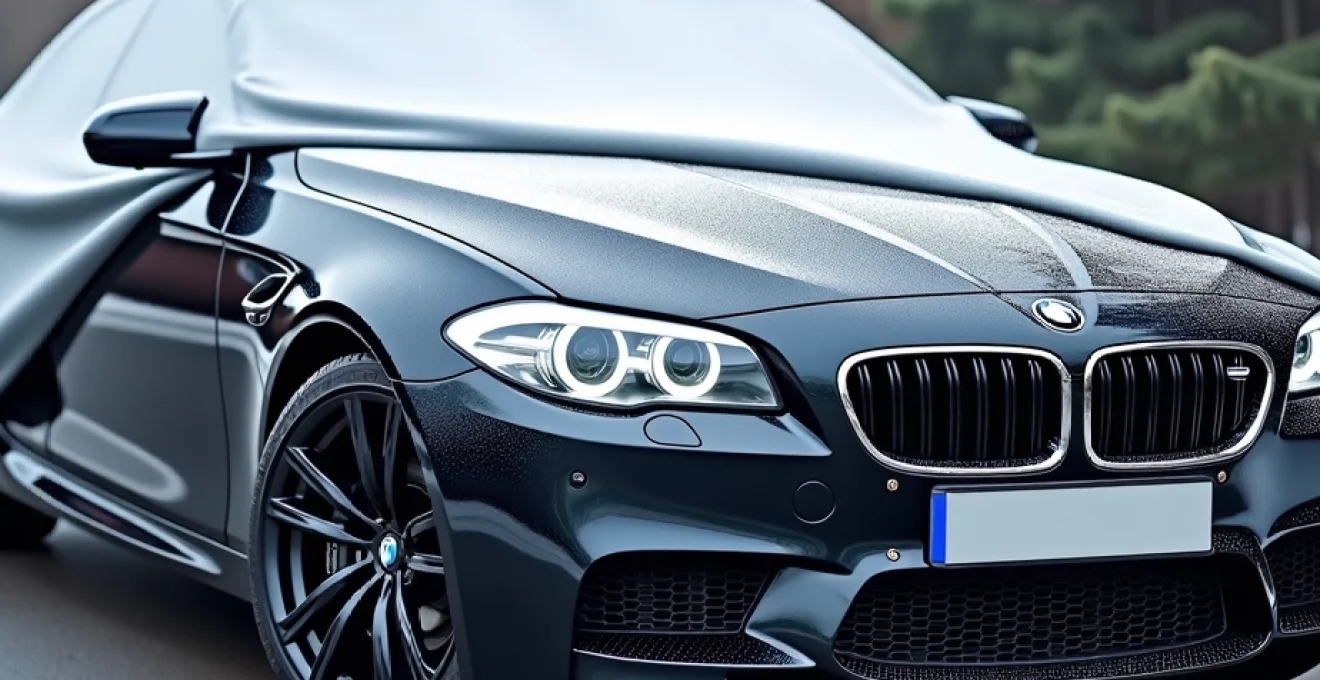
Vehicle protection has evolved significantly from the simple tarpaulins of yesteryear to sophisticated, engineered solutions that safeguard modern automobiles against increasingly harsh environmental conditions. With British weather patterns becoming more unpredictable and urban pollution levels rising, selecting an appropriate car cover has transformed from a luxury consideration into an essential maintenance strategy. The investment in quality protection extends far beyond preserving aesthetic appeal, directly impacting resale values, mechanical integrity, and long-term ownership costs.
Understanding the complexities of modern automotive protection requires examining multiple factors that influence cover performance. Environmental conditions, storage duration, vehicle specifications, and usage patterns all contribute to determining the optimal protection strategy. Professional-grade covers now incorporate advanced materials science, engineering principles, and manufacturing techniques that deliver superior protection compared to basic universal solutions available in retail outlets.
Material technologies and fabric specifications for automotive protection
Contemporary automotive protection relies heavily on advanced material technologies that balance multiple performance requirements. Modern covers must simultaneously provide weather resistance, breathability, durability, and gentle contact with vehicle surfaces. The evolution from basic canvas and plastic materials to sophisticated synthetic fabrics represents decades of research into polymer science, textile engineering, and automotive preservation requirements.
The foundation of effective vehicle protection lies in understanding how different materials interact with environmental stressors. Temperature fluctuations, ultraviolet radiation, moisture cycles, and atmospheric pollutants create challenging conditions that demand engineered solutions. High-performance covers incorporate multiple material layers, each designed to address specific protection requirements while maintaining overall system integrity.
Polyester vs polypropylene: durability analysis for outdoor storage
Polyester fabrics dominate premium automotive protection applications due to their exceptional dimensional stability and resistance to environmental degradation. The molecular structure of polyester provides inherent resistance to ultraviolet radiation, while maintaining flexibility across wide temperature ranges. Quality polyester covers demonstrate superior colour retention, preventing the fading and brittleness associated with prolonged outdoor exposure.
Polypropylene materials offer excellent chemical resistance and moisture management properties, making them suitable for harsh environmental conditions. However, polypropylene exhibits reduced flexibility in cold temperatures and may become brittle after extended UV exposure. The choice between these materials often depends on specific climate conditions and storage duration requirements.
Breathable membrane systems: Gore-Tex and microporous film applications
Advanced breathable membrane technologies represent the pinnacle of automotive protection engineering. These systems allow water vapour transmission while preventing liquid water penetration, addressing the critical challenge of condensation management beneath vehicle covers. Gore-Tex membranes achieve this through microscopic pore structures that permit vapour molecules to pass while blocking larger water droplets.
Microporous film applications provide similar breathability characteristics at reduced cost points. These engineered films incorporate controlled porosity that maintains protective barriers while enabling moisture escape. The effectiveness of these systems depends on proper installation and maintenance of membrane integrity throughout the cover’s service life.
Multi-layer construction: Spun-Bond Non-Woven fabric benefits
Spun-bond non-woven fabrics create the structural foundation for many premium automotive covers. These materials combine exceptional tear resistance with lightweight characteristics, reducing handling difficulties while maintaining protective performance. The manufacturing process creates randomly oriented fibre structures that distribute stress loads effectively, preventing localised failure points.
Multi-layer construction techniques integrate different material properties to optimise overall performance. Outer layers focus on weather resistance and durability, while inner layers prioritise gentle surface contact and moisture management. This layered approach allows engineers to address multiple protection requirements without compromising any individual performance characteristic.
Uv-resistant coating technologies: acrylic and polyurethane treatments
Ultraviolet radiation represents one of the most destructive environmental factors affecting both vehicle surfaces and protective covers. Advanced coating technologies incorporate UV-absorbing compounds that prevent molecular degradation of underlying materials. Acrylic coatings provide excellent transparency and weather resistance, while maintaining flexibility across temperature ranges.
Polyurethane treatments offer superior abrasion resistance and chemical stability, making them ideal for high-wear applications. These coatings create protective barriers that extend material service life while maintaining aesthetic appearance. The selection of appropriate coating systems depends on specific environmental exposure conditions and performance requirements.
Weather-specific cover selection criteria for UK climate conditions
British climate conditions present unique challenges for automotive protection, combining high humidity levels with frequent precipitation, temperature fluctuations, and varying seasonal conditions. The maritime climate creates persistent moisture exposure that demands sophisticated protection strategies. Unlike continental climates with distinct wet and dry seasons, UK conditions require year-round protection against multiple environmental stressors operating simultaneously.
Regional variations within the UK further complicate cover selection decisions. Scottish Highlands experience extreme temperature ranges and heavy snowfall, while coastal areas face salt-laden winds and persistent humidity. Urban environments introduce additional challenges through increased pollution levels, particulate matter, and heat island effects that accelerate material degradation. Understanding these regional differences enables more informed protection decisions.
Waterproof rating standards: IPX4 to IPX8 classifications
International Protection (IP) rating systems provide standardised measurements of waterproof performance that enable accurate cover comparisons. IPX4 ratings indicate protection against water splashing from any direction, suitable for covered parking applications. IPX6 ratings demonstrate resistance to powerful water jets, appropriate for exposed parking during heavy storms.
IPX8 classifications represent the highest level of waterproof protection, suitable for prolonged submersion scenarios. However, completely waterproof covers may trap moisture beneath the covering material, creating conditions conducive to corrosion and mould growth. Balanced protection strategies often prioritise water resistance combined with breathability over complete waterproofing.
Wind resistance engineering: elasticated hem and Tie-Down systems
British wind conditions frequently exceed design parameters of basic automotive covers, necessitating engineered retention systems. Elasticated hem designs create secure perimeter seals that accommodate wind pressure while maintaining protective coverage. Quality elastic materials maintain tension characteristics through repeated stretching cycles and temperature variations.
Tie-down systems must distribute wind loads across cover structure without creating stress concentration points. Professional-grade covers incorporate reinforced attachment points with appropriate load ratings for expected wind conditions. The positioning and design of these attachment points significantly influence overall system performance during severe weather events.
Snow load distribution: reinforced seam construction methods
Snow accumulation creates significant structural loads that can damage both vehicle covers and underlying vehicles. Reinforced seam construction distributes these loads across larger surface areas, preventing localised failure points. Double-stitched seams with appropriate thread specifications provide necessary strength while maintaining flexibility.
Heat-welded seam technologies eliminate stitching holes that can become failure initiation points under load. These construction methods create continuous material bonds that maintain integrity under stress while providing superior waterproof performance. The choice between stitched and welded construction depends on specific application requirements and cost considerations.
Condensation management: ventilation grommets and moisture control
Effective condensation management prevents the moisture accumulation that leads to corrosion, mould growth, and interior damage. Ventilation grommets provide controlled airflow that enables moisture escape while preventing direct water entry. The positioning and sizing of these ventilation features critically influences overall moisture management performance.
Advanced moisture control systems incorporate hygroscopic materials that absorb excess humidity during high-moisture periods and release it during drier conditions. These systems maintain optimal humidity levels beneath covers without requiring external ventilation that might compromise weather protection.
Vehicle-specific fitting requirements and measurement protocols
Accurate vehicle measurement represents the foundation of effective automotive protection, yet many vehicle owners underestimate the complexity of achieving proper cover fit. Modern vehicles incorporate numerous design elements that complicate covering procedures, including integrated spoilers, roof rails, antenna systems, and aerodynamic features. These elements require specific accommodation in cover design to prevent damage during installation and removal procedures.
Professional measurement protocols extend beyond simple length, width, and height dimensions to include feature mapping, clearance requirements, and access considerations. Precision fitting ensures optimal protection while preventing the bunching, stretching, and stress concentration that lead to premature cover failure. Custom fitting also eliminates the loose material that creates wind flutter and potential abrasion points.
Saloon car dimensions: ford mondeo and BMW 3 series compatibility
Modern saloon vehicles like the Ford Mondeo and BMW 3 Series represent mainstream automotive protection requirements with specific dimensional and feature considerations. The Mondeo’s 4.87-metre length and 1.85-metre width require covers with adequate material distribution to prevent stretching across the vehicle’s profile. The relatively low 1.48-metre height enables easier installation compared to SUV applications.
BMW 3 Series vehicles incorporate more complex aerodynamic features that demand precise accommodation in cover design. Integrated spoilers, aggressive front and rear overhangs, and distinctive kidney grille elements require careful consideration during measurement and fitting procedures. The vehicle’s performance orientation also suggests owners who prioritise protection quality over cost considerations.
SUV and 4×4 coverage: range rover evoque and nissan qashqai specifications
Sport Utility Vehicles present unique challenges due to increased height dimensions and complex surface geometries. The Range Rover Evoque’s distinctive coupe-like profile creates challenging coverage requirements, particularly around the rear pillar area where the roofline meets the tailgate. The vehicle’s 1.64-metre height approaches the practical limit for single-person cover installation.
Nissan Qashqai dimensions represent the compact crossover segment that has grown rapidly in popularity. The 4.39-metre length and 1.84-metre width create manageable coverage requirements, while the 1.59-metre height provides reasonable installation accessibility. However, the vehicle’s plastic body cladding and roof rails require specific accommodation to prevent cover damage during use.
Sports car contours: porsche 911 and audi TT Low-Profile designs
High-performance vehicles like the Porsche 911 demand specialised protection approaches due to their low profiles and aggressive styling elements. The 911’s distinctive silhouette requires covers designed specifically for its unique proportions, particularly the sloping rear deck and prominent rear spoiler. The vehicle’s relatively compact dimensions enable precise fitting that enhances both protection and aesthetic appeal.
Audi TT models present similar challenges with their distinctive design language and aerodynamic features. The vehicle’s coupe profile creates specific fitting requirements around the rear hatch area, while the front air dam and side skirts require careful accommodation. Performance-oriented owners typically demand protection solutions that complement their vehicle’s aesthetic appeal while providing comprehensive coverage.
Commercial vehicle options: ford transit and mercedes sprinter solutions
Commercial vehicle protection requires robust solutions capable of withstanding frequent use cycles and harsh operating environments. Ford Transit vehicles range from compact van configurations to extended wheelbase models exceeding 6 metres in length. These dimensional variations necessitate flexible sizing approaches that accommodate multiple configurations within product lines.
Mercedes Sprinter vehicles represent the premium commercial segment with sophisticated electronic systems and high-value cargo protection requirements. The vehicle’s tall profile and complex door configurations create unique coverage challenges that demand engineered solutions. Commercial operators often prioritise durability and ease of installation over aesthetic considerations, influencing material and design selections.
Installation mechanisms and securing systems for Long-Term protection
Professional installation systems distinguish premium automotive covers from basic consumer products through their attention to securing mechanisms and long-term stability. Effective installation requires consideration of environmental conditions, usage patterns, and vehicle access requirements. The installation process itself can become a significant factor in cover selection, particularly for users who require frequent vehicle access or operate in challenging environmental conditions.
Modern securing systems incorporate multiple retention methods that work synergistically to maintain cover position during adverse conditions. Elastic hem systems provide primary retention, while tie-down straps offer supplementary security during extreme weather events. Advanced systems integrate these retention methods with quick-release mechanisms that enable rapid removal without compromising security during normal use.
The positioning of securing points critically influences both installation ease and protection effectiveness. Strategic placement enables single-person installation while ensuring adequate load distribution during wind events. Reinforced attachment points prevent localised failures that can cascade into complete system compromise. Quality securing systems also incorporate anti-theft features that deter unauthorised removal while maintaining legitimate user accessibility.
Professional-grade covers often include storage systems that protect the cover itself when not in use. Integrated storage bags prevent contamination and damage during transport, while also providing convenient storage solutions that encourage consistent use. The storage system design influences user compliance, particularly for applications requiring frequent installation and removal cycles.
Quality securing systems provide the foundation for effective long-term vehicle protection, ensuring covers remain properly positioned regardless of environmental conditions.
Performance testing standards and quality assurance protocols
Automotive cover performance testing encompasses multiple standardised protocols that evaluate material properties, construction quality, and real-world durability. Industry standards address weather resistance, UV stability, abrasion resistance, and dimensional stability under varying environmental conditions. These testing protocols provide objective performance data that enables informed product comparisons and selection decisions.
Accelerated aging tests simulate years of environmental exposure through controlled laboratory conditions that replicate UV radiation, temperature cycling, and moisture exposure. These tests identify potential failure modes and material degradation patterns before products reach market. Quality manufacturers utilise these testing protocols to validate design decisions and material selections throughout product development cycles.
Field testing programs complement laboratory testing through real-world exposure conditions that cannot be fully replicated in controlled environments. Long-term field studies provide valuable data regarding user experience, installation procedures, and performance characteristics under actual use conditions. This testing approach identifies practical issues that laboratory testing might overlook, particularly regarding ease of use and long-term durability.
Quality assurance protocols extend beyond initial product testing to include manufacturing consistency, material traceability, and ongoing performance monitoring. Comprehensive quality systems ensure that production units maintain the performance characteristics validated during development testing. This consistency becomes particularly important for custom-fitted products where dimensional accuracy directly influences protection effectiveness.
International testing standards provide frameworks for comparative evaluation across different manufacturers and product categories. Standards such as ISO 12945 for surface abrasion and ASTM D4329 for UV exposure enable objective performance comparisons. However, automotive-specific testing requirements often exceed general textile standards due to the demanding nature of vehicle protection applications.
Rigorous testing protocols ensure automotive covers deliver consistent protection performance throughout their intended service life, regardless of environmental conditions.
Brand analysis: covercraft, budge, and leader accessories comparison
The automotive cover market features several established manufacturers with distinct approaches to vehicle protection technology and market positioning. Covercraft has built a reputation for custom-fitted solutions that prioritise precision measurement and material quality over cost considerations. Their product line encompasses multiple material options designed for specific applications, from indoor dust protection to extreme weather outdoor storage.
Budge Industries focuses on universal-fit solutions that balance protection performance with accessibility for mainstream consumers. Their product development emphasises ease of installation and broad vehicle compatibility, making quality protection available to cost-conscious consumers. The company’s manufacturing approach prioritises consistent quality across high-volume production runs while maintaining competitive pricing structures.
Leader Accessories represents the value segment with products designed for occasional use and temporary protection applications. Their covers typically utilise simpler construction methods and basic materials that provide adequate protection for short-term storage scenarios. This market positioning serves consumers who require basic protection without the investment required for premium solutions.
Material selection strategies differ significantly among these manufacturers, reflecting their target markets and performance objectives. Covercraft incorporates advanced fabrics like Sunbrella and WeatherShield that command premium pricing but deliver superior longevity. Budge utilises proven synthetic materials that provide reliable performance at moderate cost points, while Leader Accessories focuses on basic polypropylene and polyester constructions.
Construction quality represents another significant differentiation point among manufacturers. Premium brands invest in reinforced seam construction, precise cutting operations, and quality control procedures that ensure consistent fit and finish. Value brands may sacrifice some construction refinements to achieve target cost points, though quality has generally improved across all market segments due to competitive pressures.
Customer support services vary considerably among manufacturers, influencing the overall ownership experience beyond initial product performance. Covercraft provides extensive measurement guides, installation instructions, and warranty support that reflects their premium market positioning. Mainstream brands typically offer standard warranty coverage with basic customer support, while value brands may provide limited support services.
The choice among these manufacturers ultimately depends on specific protection requirements, budget considerations, and expected usage patterns. Discerning vehicle owners who prioritise maximum protection and precise fit typically gravitate toward premium manufacturers, while practical users seeking reliable protection at reasonable cost often select mainstream options. Understanding these positioning differences enables more informed purchasing decisions that align with actual protection needs and expectations.