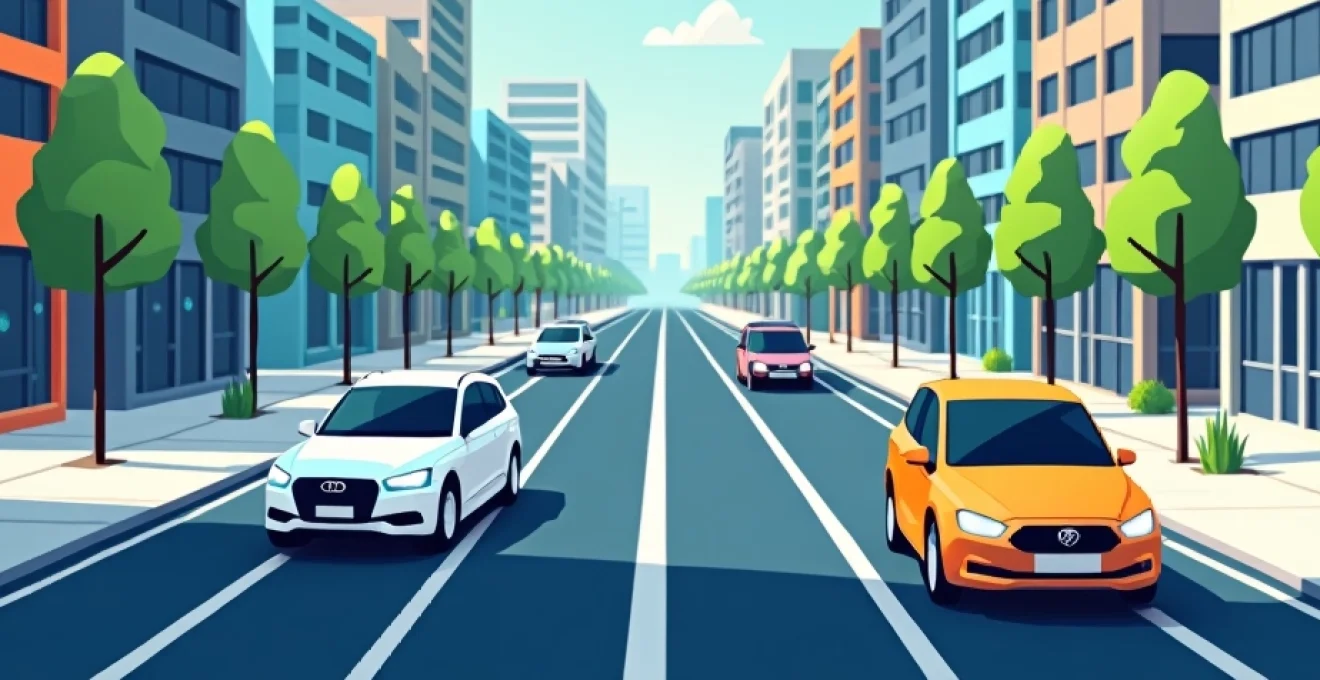
Urban centres worldwide face unprecedented challenges as populations surge and environmental pressures intensify. The convergence of technological innovation and sustainable development has created a transformative opportunity for cities to revolutionise their transportation networks. Smart cities are emerging as pioneers in this revolution, deploying cutting-edge technologies and data-driven strategies to create cleaner, more efficient, and more accessible mobility ecosystems.
The integration of sustainable transportation solutions represents more than just technological advancement—it’s a fundamental shift towards creating liveable, resilient urban environments. From electric vehicle infrastructure to intelligent traffic management systems, cities are leveraging artificial intelligence, Internet of Things sensors, and predictive analytics to reduce carbon emissions while enhancing mobility options for residents. This comprehensive approach addresses multiple urban challenges simultaneously, including air quality improvement, traffic congestion reduction, and energy efficiency optimisation.
The stakes are particularly high considering that transport systems account for nearly 24% of global greenhouse gas emissions , with urban areas contributing significantly to this figure. As climate change accelerates and urban populations continue to grow, the implementation of smart, sustainable transportation solutions has become not just desirable but essential for the future of urban living.
Electric vehicle infrastructure integration in modern urban planning
Electric vehicle adoption has reached a critical juncture where infrastructure development must keep pace with growing demand. Modern urban planning increasingly prioritises the seamless integration of charging networks, energy storage systems, and grid management technologies. Cities are discovering that successful EV infrastructure deployment requires a holistic approach that considers energy supply, grid capacity, and urban space allocation.
The transition to electric mobility presents unique opportunities for cities to reimagine their energy systems. Vehicle-to-grid technologies enable electric vehicles to function as mobile energy storage units, contributing to grid stability during peak demand periods. This bidirectional energy flow creates a more resilient and efficient urban energy ecosystem, particularly when combined with renewable energy sources.
Copenhagen’s electric bus rapid transit network implementation
Copenhagen has emerged as a global leader in electric public transport integration, implementing one of Europe’s most comprehensive electric bus networks. The city’s approach combines route optimisation algorithms with dynamic charging infrastructure to maximise operational efficiency. By 2025, Copenhagen aims to operate a completely carbon-neutral bus fleet , setting a benchmark for other European cities.
The implementation strategy focuses on high-frequency routes with predictable schedules, allowing for precise energy management and charging coordination. Copenhagen’s electric buses utilise both overnight depot charging and opportunity charging at key stops, ensuring continuous operation without range anxiety. The city has installed smart charging systems that automatically adjust power delivery based on grid conditions and renewable energy availability.
Amsterdam’s smart charging grid integration with renewable energy sources
Amsterdam’s charging infrastructure exemplifies intelligent grid integration, with over 4,000 public charging points connected to a smart management system. The city prioritises renewable energy utilisation, with charging stations automatically adjusting their operation based on solar and wind energy availability. This approach reduces grid stress while maximising clean energy consumption.
The smart charging algorithm considers multiple factors including electricity prices, grid capacity, and user preferences to optimise charging schedules. Amsterdam’s system can delay non-urgent charging sessions to periods when renewable energy generation peaks, creating a more sustainable charging ecosystem. The city reports that over 80% of EV charging now occurs during off-peak hours , significantly reducing infrastructure strain.
Singapore’s dynamic EV charging lane technology pilot programme
Singapore is pioneering dynamic wireless charging technology through its innovative charging lane pilot programme. This groundbreaking initiative allows electric vehicles to charge while driving, potentially eliminating range limitations for commercial vehicles. The technology uses magnetic field coupling to transfer energy from embedded road infrastructure to specially equipped vehicles.
The pilot programme focuses on bus routes and freight corridors where predictable traffic patterns enable maximum technology utilisation. Singapore’s approach addresses the space constraints typical of dense urban environments by eliminating the need for stationary charging infrastructure. Early results indicate that dynamic charging can reduce battery size requirements by up to 40%, making electric commercial vehicles more economically viable.
Barcelona’s Vehicle-to-Grid energy storage solutions
Barcelona has implemented one of Europe’s most sophisticated vehicle-to-grid programmes, transforming electric vehicles into distributed energy storage assets. The city’s smart grid management system can draw power from connected vehicles during peak demand periods, reducing reliance on fossil fuel peaking plants. This bidirectional energy flow creates additional revenue streams for EV owners while enhancing grid stability.
The programme integrates seamlessly with Barcelona’s renewable energy initiatives, using electric vehicles to store excess solar generation during midday hours. Vehicle owners participating in the programme receive financial incentives based on their contribution to grid services. Barcelona reports that participating vehicles provide approximately 2 MWh of grid storage capacity daily , equivalent to the output of a small power plant.
Intelligent traffic management systems and modal shift technologies
Advanced traffic management systems represent the nervous system of smart cities, coordinating multiple transportation modes to optimise flow and reduce environmental impact. These systems utilise real-time data collection, machine learning algorithms, and predictive analytics to make split-second decisions that improve overall network performance. The integration of artificial intelligence allows traffic management systems to learn from historical patterns while adapting to unexpected conditions.
Modal shift technologies encourage residents to transition from private vehicle ownership to more sustainable transportation options. These systems provide personalised mobility recommendations based on individual travel patterns, real-time conditions, and environmental considerations. The goal extends beyond simple route optimisation to fundamentally changing how people think about urban mobility.
Stockholm’s SCATS adaptive traffic signal control implementation
Stockholm’s implementation of the Sydney Coordinated Adaptive Traffic System (SCATS) demonstrates how intelligent signal control can dramatically improve traffic flow while reducing emissions. The system monitors traffic conditions in real-time and adjusts signal timing to minimise delays and stop-and-go traffic patterns. Since implementation, Stockholm has achieved a 15% reduction in travel times and a 12% decrease in fuel consumption .
The adaptive system prioritises public transport vehicles, giving buses and trams preferential signal timing to maintain schedule adherence. This priority treatment makes public transport more reliable and attractive to commuters, encouraging modal shift away from private vehicles. Stockholm’s SCATS implementation covers over 1,800 intersections across the metropolitan area, creating a coordinated traffic management network.
Helsinki’s MaaS platform integration with whim mobility services
Helsinki pioneered the global Mobility-as-a-Service movement through its integration with Whim, a comprehensive mobility platform that combines multiple transportation options into a single digital interface. The system allows users to plan, book, and pay for various transport modes including public transit, bike sharing, car sharing, and ride-hailing services through a unified application.
The integration has fundamentally changed mobility patterns in Helsinki, with users reporting increased multimodal trip combinations and reduced private car dependency. The platform’s subscription model offers unlimited public transport combined with credits for other services, creating economic incentives for sustainable transportation choices. Whim users report a 20% reduction in private car usage compared to pre-platform behaviour patterns.
Vienna’s predictive traffic analytics using machine learning algorithms
Vienna employs sophisticated machine learning algorithms to predict traffic patterns and proactively manage congestion before it occurs. The system analyses historical data, weather conditions, special events, and real-time sensor inputs to forecast traffic demand with remarkable accuracy. This predictive capability allows traffic managers to implement preventive measures rather than reactive responses.
The machine learning system continuously improves its predictions by incorporating feedback from actual traffic outcomes. Vienna’s algorithm can predict traffic conditions up to 60 minutes in advance with 85% accuracy, enabling proactive signal timing adjustments and dynamic route recommendations. The city has integrated these predictions with its public information systems, allowing commuters to make informed travel decisions.
Lyon’s Multi-Modal journey optimisation through Real-Time data processing
Lyon’s comprehensive journey optimisation system processes real-time data from multiple transportation networks to provide seamless multimodal routing recommendations. The system considers current conditions across buses, trams, metro lines, bike-sharing stations, and walking routes to suggest the most efficient journey combinations. Users receive dynamic updates as conditions change throughout their journey.
The optimisation algorithm weighs multiple factors including travel time, cost, environmental impact, and user preferences to generate personalised recommendations. Lyon’s system has achieved impressive results, with users experiencing average journey time reductions of 18% when following multimodal recommendations . The platform’s environmental tracking feature shows users the carbon savings achieved through their transportation choices.
Active mobility infrastructure and Micro-Mobility solutions
Active mobility infrastructure forms the foundation of sustainable urban transportation, providing safe and efficient pathways for walking, cycling, and micro-mobility devices. Cities are investing heavily in protected bike lanes, pedestrian zones, and integrated pathways that connect residential areas with business districts and transit hubs. The design of these networks requires careful consideration of safety, accessibility, and connectivity to encourage widespread adoption.
Micro-mobility solutions, including e-scooters, e-bikes, and shared mobility devices, have transformed short-distance urban travel. These devices address the “last mile” connectivity challenge that often prevents people from using public transportation for complete journeys. Smart cities are developing regulatory frameworks and infrastructure standards to safely integrate these devices into existing transportation networks while maximising their environmental benefits.
The implementation of comprehensive active mobility networks requires sophisticated planning tools that analyse pedestrian and cyclist flow patterns, identify safety hazards, and optimise route connectivity. Cities utilise mobile phone data, sensor networks, and GPS tracking from shared devices to understand usage patterns and inform infrastructure investments. This data-driven approach ensures that limited public resources are allocated to locations where they will have the greatest impact on sustainable transportation adoption.
Integration between active mobility infrastructure and digital services creates seamless user experiences that encourage mode switching. Mobile applications provide real-time information about bike lane conditions, available shared devices, and optimal routes that combine multiple active mobility options. Some cities have implemented gamification features that reward users for choosing sustainable transportation options, creating positive feedback loops that reinforce behaviour change.
Safety considerations remain paramount in active mobility infrastructure development, particularly as cities work to accommodate increasing numbers of cyclists and e-scooter users alongside traditional vehicle traffic. Advanced intersection design, dedicated signal phases, and physical separation barriers help reduce conflicts between different transportation modes. Cities are also implementing smart lighting systems that adjust brightness based on usage patterns and weather conditions to enhance safety during low-visibility periods.
Public transit digitalisation and smart fleet management
Digital transformation of public transit systems represents one of the most impactful sustainability initiatives cities can undertake. Modern fleet management systems utilise IoT sensors, GPS tracking, and predictive analytics to optimise vehicle deployment, reduce energy consumption, and improve service reliability. These systems can automatically adjust schedules based on passenger demand patterns, weather conditions, and special events to maximise efficiency.
Smart fleet management extends beyond simple vehicle tracking to encompass predictive maintenance, fuel optimisation, and driver performance monitoring. By analysing engine diagnostics, fuel consumption patterns, and route efficiency, cities can reduce operational costs while minimising environmental impact. The integration of artificial intelligence allows these systems to learn from historical patterns and continuously improve their recommendations.
London’s contactless payment integration across TfL network
Transport for London’s comprehensive contactless payment system exemplifies how digital integration can transform public transit accessibility and efficiency. The system accepts contactless bank cards, mobile payments, and dedicated travel cards across all buses, trains, and underground services. This unified payment approach eliminates friction points that previously discouraged public transit usage.
The contactless system automatically calculates the best fare for each journey, including daily and weekly price caps that ensure passengers never pay more than the equivalent period pass. Since implementation, London has seen a 12% increase in public transit usage , with particular growth among occasional users who previously found the fare system confusing. The system processes over 15 million transactions daily while providing valuable data for service planning.
Berlin’s predictive maintenance systems for U-Bahn operations
Berlin’s U-Bahn system utilises advanced predictive maintenance algorithms to minimise service disruptions while reducing energy consumption and operational costs. The system monitors thousands of components across the network, from train motors and brakes to track conditions and signalling equipment. Machine learning algorithms analyse vibration patterns, temperature fluctuations, and electrical characteristics to predict component failures before they occur.
The predictive maintenance approach has dramatically improved system reliability while reducing emergency repair costs. Berlin reports a 35% reduction in unplanned maintenance events since implementing the predictive system. The proactive maintenance scheduling also allows for better coordination with passenger services, minimising disruptions during peak travel periods.
Paris’s Real-Time passenger information systems and crowd management
Paris has deployed sophisticated passenger information and crowd management systems across its extensive metro and bus networks. Real-time displays provide arrival predictions, service alerts, and alternative route suggestions to help passengers make informed travel decisions. The system integrates data from vehicle location systems, passenger counting sensors, and historical usage patterns to generate accurate predictions.
The crowd management component uses passenger density data to provide loading recommendations and suggest alternative routes during peak periods. This system helps distribute passenger loads more evenly across the network, reducing overcrowding and improving overall service quality. Paris reports that passenger satisfaction scores have increased by 22% since implementing comprehensive real-time information systems.
Toronto’s automated vehicle location technology for bus fleet optimisation
Toronto’s bus fleet utilises advanced automated vehicle location (AVL) technology combined with artificial intelligence to optimise routes and schedules in real-time. The system tracks vehicle positions, monitors passenger boarding patterns, and analyses traffic conditions to make dynamic operational adjustments. Dispatchers can reassign vehicles to high-demand routes or adjust schedules to maintain service reliability.
The AVL system integrates with passenger information displays and mobile applications to provide accurate arrival predictions. Toronto’s implementation includes automatic passenger counting systems that help validate ridership data and inform service planning decisions. The city has achieved a 15% improvement in on-time performance while reducing fuel consumption through optimised routing algorithms.
Carbon footprint monitoring and environmental impact assessment
Comprehensive carbon footprint monitoring has become essential for cities committed to achieving net-zero transportation emissions. Advanced monitoring systems track emissions from all transportation modes, including private vehicles, public transit, freight movement, and active mobility infrastructure. These systems utilise a combination of direct measurement technologies, mobile phone data analysis, and machine learning algorithms to create detailed emission profiles for different urban areas and transportation corridors.
Real-time environmental monitoring enables cities to implement dynamic policies that respond to changing conditions. For example, some cities automatically adjust traffic signal timing or implement temporary vehicle restrictions when air quality monitors detect elevated pollution levels. This responsive approach maximises the effectiveness of emission reduction strategies while minimising economic disruption.
The integration of environmental impact assessment with transportation planning allows cities to evaluate the long-term consequences of infrastructure investments. Sophisticated modelling tools can predict how proposed transit projects, bike lane networks, or congestion pricing schemes will affect overall urban emissions. This predictive capability ensures that limited public resources are directed toward initiatives with the greatest environmental benefits.
Cities are increasingly adopting blockchain-based carbon credit systems that reward residents for choosing sustainable transportation options. These systems can track individual carbon savings from public transit usage, cycling, and walking, converting these environmental benefits into tradeable credits or local rewards.
This gamification approach has proven particularly effective at encouraging behaviour change among younger demographics who are motivated by digital engagement and environmental impact visibility.
Advanced sensor networks provide granular data about transportation-related emissions at the neighbourhood level. This detailed information helps cities identify pollution hotspots and implement targeted interventions. For instance, areas with consistently high emissions might receive priority for electric bus deployment or enhanced bike infrastructure development.
Autonomous vehicle integration and smart parking solutions
The integration of autonomous vehicles into urban transportation networks represents a paradigm shift that could dramatically reduce the need for private vehicle ownership while improving traffic efficiency. Cities are carefully planning for this transition through pilot programmes, regulatory framework development, and infrastructure modifications that will support both human-driven and autonomous vehicles during the transition period.
Smart parking solutions address one of the most significant sources of urban traffic congestion—vehicles searching for parking spaces. Studies indicate that up to 30% of urban traffic consists of drivers looking for parking. Intelligent parking systems use sensors, mobile applications, and dynamic pricing to guide drivers efficiently to available spaces while encouraging turnover in high-demand areas.
Pittsburgh’s autonomous shuttle pilot programme in strip district
Pittsburgh’s autonomous shuttle pilot programme in the Strip District demonstrates how self-driving vehicles can enhance public transportation accessibility in areas underserved by traditional transit. The shuttles operate on fixed routes connecting residential areas with shopping districts and transit hubs. The programme focuses on low-speed, predictable environments where autonomous technology can operate safely while providing valuable mobility services.
The pilot programme has generated extensive data about passenger acceptance, operational efficiency, and integration challenges with existing transportation networks. Ridership surveys indicate 78% passenger satisfaction with the autonomous shuttle service , with particular appreciation for improved accessibility features and reliable scheduling. Pittsburgh plans to expand the programme to additional neighbourhoods based on these positive results.
San francisco’s dynamic parking pricing algorithm implementation
San Francisco’s revolutionary dynamic parking pricing system utilises sophisticated algorithms to adjust parking rates in real-time based on demand, availability, and neighbourhood characteristics. The system monitors occupancy rates across thousands of parking spaces and automatically increases prices in high-demand areas while reducing costs in underutilised zones. This approach optimises parking turnover while generating revenue that funds transportation improvements.
The dynamic pricing algorithm considers multiple variables including time of day, local events, weather conditions, and historical usage patterns to set optimal rates. During peak demand periods, prices can increase by up to 300% to encourage shorter stays and improve space availability. Conversely, prices drop significantly during off-peak hours to attract longer-term parkers. San Francisco reports a 35% improvement in parking space availability since implementing dynamic pricing across downtown areas.
Munich’s connected vehicle infrastructure for traffic flow optimisation
Munich has developed one of Europe’s most advanced connected vehicle infrastructure networks, enabling real-time communication between vehicles, traffic signals, and central management systems. The infrastructure utilises 5G connectivity and edge computing to process traffic data instantaneously, allowing for coordinated responses that optimise flow across the entire metropolitan area. This vehicle-to-infrastructure communication reduces unnecessary stops and accelerations that contribute to fuel consumption and emissions.
The system provides approaching vehicles with optimal speed recommendations to hit green lights, reducing stop-and-go traffic patterns that increase fuel consumption. Munich’s connected infrastructure also enables emergency vehicle prioritisation, automatically adjusting signal timing to create clear corridors for ambulances and fire trucks. The city has measured a 20% reduction in average journey times for vehicles equipped with the connected technology, while also achieving significant emission reductions through smoother traffic flow.
Tokyo’s AI-powered parking space allocation systems
Tokyo’s AI-powered parking allocation system represents the pinnacle of intelligent urban space management, utilising machine learning algorithms to predict parking demand and guide drivers to available spaces before they begin searching. The system integrates data from parking sensors, mobile applications, and historical usage patterns to create dynamic availability maps that update every 30 seconds. This predictive approach dramatically reduces the time vehicles spend circling blocks looking for parking.
The AI system learns from seasonal patterns, special events, and local business cycles to anticipate parking demand with remarkable accuracy. Tokyo’s algorithm can predict parking availability up to 2 hours in advance with 90% accuracy, enabling advanced reservations and optimal space allocation. The system has achieved a 45% reduction in parking-related traffic circulation, significantly improving air quality in dense commercial districts. Additionally, the AI optimises pricing to encourage longer-term parking in less convenient locations while maintaining high turnover in prime areas.
The integration of Tokyo’s parking system with navigation applications provides seamless guidance that considers both travel routes and destination parking availability. This comprehensive approach ensures that parking considerations are factored into journey planning from the outset, reducing both travel time and environmental impact. The system’s success has prompted other major cities to adopt similar AI-driven parking management approaches as part of their broader smart city initiatives.
Looking toward the future, these autonomous vehicle integration and smart parking solutions demonstrate how cities can leverage technology to address multiple urban challenges simultaneously. The convergence of artificial intelligence, real-time data processing, and sustainable transportation planning creates opportunities for cities to dramatically improve mobility while reducing their environmental footprint. As these technologies mature and become more widely adopted, we can expect to see even greater improvements in urban transportation efficiency and sustainability.
The success of these pioneering smart city initiatives provides a roadmap for other urban areas seeking to modernise their transportation systems. By combining electric vehicle infrastructure, intelligent traffic management, active mobility networks, digitalised public transit, environmental monitoring, and autonomous vehicle integration, cities can create comprehensive sustainable transportation ecosystems that serve their residents while protecting the environment for future generations.