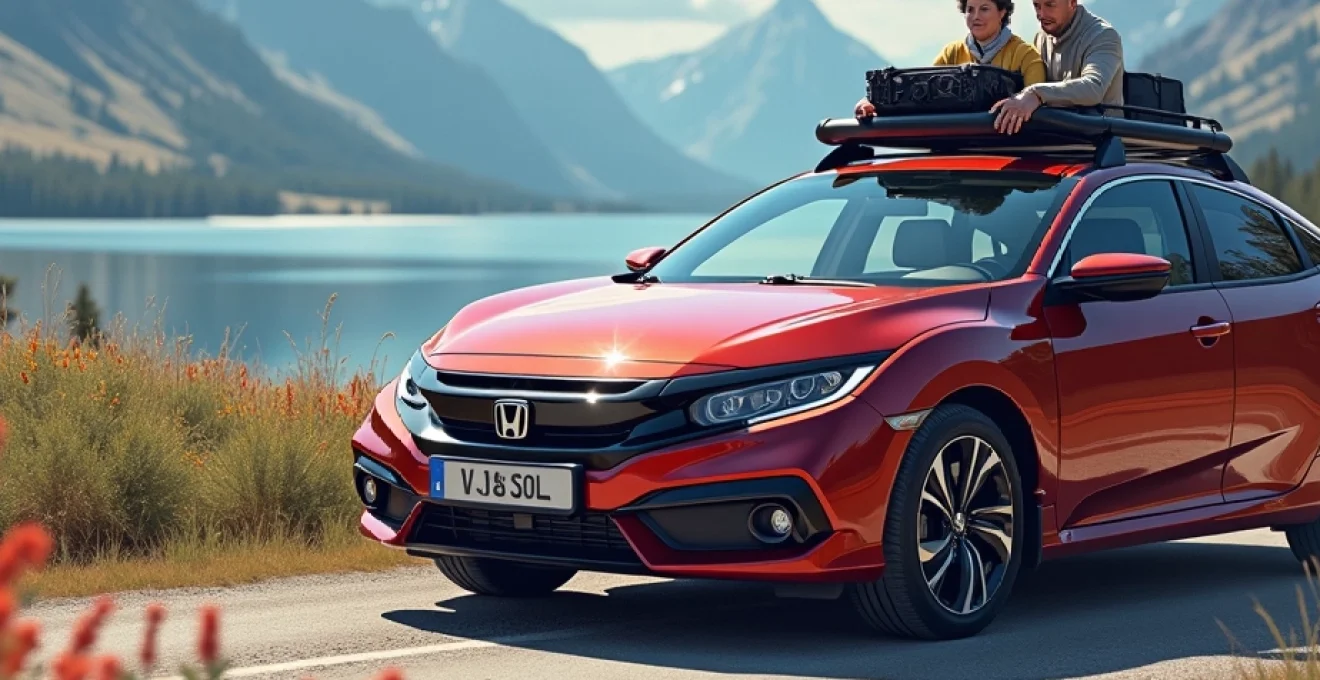
The success of your road trip hinges on one critical decision: selecting the right vehicle. Whether you’re planning a weekend getaway through the Scottish Highlands or embarking on a month-long European adventure, your car choice will determine whether you arrive refreshed and exhilarated or exhausted and frustrated. Modern travellers face an overwhelming array of vehicle options, each promising the perfect journey, yet the reality is that no single car suits every road trip scenario .
Understanding the intricate relationship between vehicle specifications and journey requirements has become increasingly complex as automotive technology advances. From hybrid powertrains optimised for urban traffic to sophisticated all-wheel-drive systems designed for mountain passes, today’s vehicles offer specialised capabilities that can transform your travel experience. The key lies in matching these technological features with your specific route demands, passenger requirements, and comfort expectations.
The financial implications of poor vehicle selection extend far beyond initial rental costs. Research indicates that inappropriate car choices can increase fuel consumption by up to 35% whilst simultaneously reducing passenger comfort and safety margins. This comprehensive analysis will equip you with the technical knowledge and practical insights needed to make informed decisions that enhance every aspect of your road trip experience.
Vehicle type selection based on journey distance and terrain requirements
The foundation of successful road trip planning begins with understanding how different vehicle categories perform across varied terrain and distance scenarios. Modern automotive engineering has produced distinct vehicle archetypes, each optimised for specific driving conditions and journey types. The relationship between vehicle design and performance characteristics becomes particularly evident when comparing compact SUVs, estate cars, and specialist off-road vehicles across different road trip scenarios.
Distance considerations fundamentally influence vehicle selection, as longer journeys demand enhanced comfort features, superior fuel efficiency, and robust mechanical reliability. Vehicles designed for extended highway cruising incorporate aerodynamic refinements, advanced suspension systems, and ergonomic seating arrangements that reduce driver fatigue over extended periods. Conversely, shorter regional trips may prioritise manoeuvrability and parking convenience over long-distance comfort features.
Compact SUVs for Multi-Surface adventures: honda CR-V and toyota RAV4 analysis
The Honda CR-V represents a sophisticated approach to compact SUV engineering, featuring a naturally aspirated 1.5-litre turbocharged engine producing 193 horsepower. This powertrain configuration delivers consistent performance across varied terrain whilst maintaining impressive fuel economy figures of approximately 40.4 mpg in combined driving conditions according to WLTP testing standards. The CR-V’s intelligent all-wheel-drive system automatically distributes torque between front and rear axles, providing enhanced traction on wet or loose surfaces without compromising on-road efficiency.
Toyota’s RAV4 offers a contrasting engineering philosophy, utilising a 2.5-litre naturally aspirated engine paired with an advanced hybrid system in higher trim levels. The hybrid variant achieves remarkable fuel economy figures of up to 50.4 mpg whilst delivering 218 horsepower through its combined petrol-electric powertrain. The RAV4’s multi-terrain select system allows drivers to optimise vehicle behaviour for specific surface conditions, including mud, sand, and rock modes that adjust throttle response and traction control parameters.
Estate cars for motorway efficiency: volkswagen passat and BMW 3 series touring comparison
The Volkswagen Passat Estate exemplifies German engineering principles applied to long-distance touring, featuring a 2.0-litre TDI diesel engine that produces 150 horsepower whilst achieving exceptional fuel economy of up to 57.6 mpg on motorway journeys. The Passat’s adaptive cruise control system maintains consistent speeds and following distances, reducing driver workload during extended highway sections. Its sophisticated suspension setup balances comfort and handling precision, ensuring passenger comfort whilst maintaining responsive steering characteristics.
BMW’s 3 Series Touring presents a more performance-oriented approach to estate car design, incorporating rear-wheel-drive architecture that enhances driving dynamics compared to front-wheel-drive competitors. The 320d variant features a 2.0-litre diesel engine producing 190 horsepower, delivering engaging performance characteristics alongside respectable fuel economy figures of approximately 50.4 mpg. The BMW’s advanced driver assistance systems include lane-keeping assist and traffic jam assist, technologies that prove invaluable during congested motorway conditions.
4WD capability assessment for Off-Road excursions and mountain passes
Understanding four-wheel-drive system capabilities becomes crucial when planning routes through mountainous terrain or unpaved roads. Modern 4WD systems range from simple on-demand systems suitable for occasional gravel roads to sophisticated full-time systems designed for serious off-road exploration. The distinction between these systems significantly impacts vehicle performance in challenging conditions and influences fuel consumption patterns during normal driving.
Advanced 4WD systems incorporate multiple driving modes that adjust engine mapping, transmission behaviour, and stability control parameters to optimise performance for specific terrain types. Hill descent control systems automatically regulate vehicle speed on steep declines, whilst hill start assist prevents backward rolling when departing from steep inclines. These technologies prove particularly valuable when navigating mountain passes or approaching remote destinations accessible only via challenging terrain.
Ground clearance specifications for rural road navigation
Ground clearance measurements directly influence a vehicle’s ability to navigate rural roads, farm tracks, and poorly maintained surfaces without sustaining damage to underbody components. Standard passenger cars typically offer ground clearance ranging from 140-160mm, sufficient for well-maintained roads but potentially limiting on rougher surfaces. Compact SUVs generally provide 180-220mm of ground clearance, offering improved capability for navigating pot-holed roads and shallow water crossings.
Approach and departure angles complement ground clearance specifications, determining a vehicle’s ability to negotiate steep inclines and sharp transitions without scraping bumpers or exhaust systems. Vehicles designed for mixed-surface driving feature optimised angle specifications that enhance versatility without compromising on-road refinement. Understanding these measurements helps predict vehicle performance on specific route sections and prevents costly damage from inappropriate surface selection.
Engine performance metrics and fuel economy calculations
Engine performance characteristics fundamentally determine your road trip experience, influencing everything from fuel costs to overtaking confidence on challenging mountain roads. Modern powertrains employ sophisticated technologies that optimise performance across diverse driving conditions, yet understanding how these systems behave in real-world scenarios remains essential for informed vehicle selection. The relationship between engine specifications and practical performance becomes particularly evident during sustained high-speed cruising, urban stop-start driving, and high-altitude operation.
Contemporary automotive engineering has produced remarkably efficient powertrains that balance performance requirements with environmental considerations. Turbocharging technology allows smaller displacement engines to deliver performance equivalent to larger naturally aspirated units whilst consuming significantly less fuel during light-load conditions. However, these efficiency gains depend heavily on driving patterns, with aggressive acceleration and sustained high-speed operation potentially negating fuel economy advantages.
Petrol vs diesel engine torque curves for sustained motorway cruising
Diesel engines traditionally excel in sustained motorway cruising scenarios due to their superior low-end torque characteristics and inherent fuel efficiency advantages. Modern common-rail diesel systems deliver peak torque outputs at significantly lower engine speeds compared to petrol alternatives, providing effortless overtaking capability and relaxed high-speed cruising. A typical 2.0-litre diesel engine produces maximum torque around 1,500-2,000 RPM, compared to 3,000-4,000 RPM for equivalent petrol units.
Petrol engines compensate for lower torque outputs through higher power peaks and smoother power delivery characteristics. Advanced direct injection and variable valve timing technologies enable modern petrol engines to achieve impressive fuel economy figures whilst maintaining the responsive throttle characteristics that many drivers prefer.
The choice between petrol and diesel ultimately depends on driving patterns, with diesel proving superior for high-mileage motorway driving and petrol offering advantages in mixed urban and rural conditions.
Hybrid powertrain efficiency in Stop-Start tourist traffic conditions
Hybrid powertrains demonstrate exceptional efficiency advantages in stop-start tourist traffic conditions where traditional internal combustion engines operate least efficiently. Toyota’s hybrid system, employed across models including the RAV4 and Corolla, utilises electric motor assistance during acceleration phases and regenerative braking to recover energy during deceleration. This technology proves particularly beneficial in congested city centres and tourist destinations where traffic flows frequently interrupt smooth progress.
The efficiency gains from hybrid technology become most pronounced at speeds below 30 mph, where electric motor assistance significantly reduces petrol engine workload. Modern hybrid systems seamlessly transition between electric-only operation, combined petrol-electric drive, and petrol-only operation depending on power demands and battery charge levels. Understanding these operational modes helps drivers maximise efficiency benefits and predict fuel consumption patterns across different route sections.
Turbocharger technology impact on High-Altitude performance
Turbocharger technology provides significant advantages when driving at high altitudes where naturally aspirated engines suffer from reduced air density and corresponding power losses. Turbocharged engines maintain more consistent power outputs as altitude increases, compensating for thinner air through increased boost pressure. This characteristic proves particularly valuable when traversing mountain passes or accessing elevated destinations where naturally aspirated engines may struggle to maintain adequate performance.
Modern variable geometry turbochargers optimise boost characteristics across different engine speeds and load conditions, providing improved low-speed response compared to traditional fixed geometry systems. These advanced systems incorporate electronic controls that adjust turbine housing geometry to match instantaneous engine demands, reducing turbo lag whilst maintaining efficiency at higher engine speeds. Understanding turbocharger behaviour helps predict vehicle performance in mountainous terrain and influences route planning decisions.
Real-world MPG analysis using WLTP testing standards
The Worldwide Harmonised Light Vehicle Test Procedure (WLTP) provides standardised fuel consumption measurements that more accurately reflect real-world driving conditions compared to previous testing protocols. WLTP testing incorporates varied speed profiles, temperature conditions, and optional equipment effects that influence actual fuel consumption figures. However, individual driving styles, route characteristics, and vehicle loading significantly impact achieved fuel economy compared to laboratory test results.
Real-world fuel consumption typically varies by 10-20% from WLTP figures depending on driving conditions and vehicle usage patterns. Motorway cruising generally produces fuel consumption figures closer to official combined ratings, whilst urban driving and challenging terrain can increase consumption significantly. Understanding these variations enables accurate fuel cost calculations and range predictions for specific journey requirements.
Interior space configuration and luggage capacity optimisation
Interior space configuration directly impacts passenger comfort and luggage accommodation capabilities, factors that become increasingly important as journey duration extends. Modern vehicle design employs sophisticated packaging techniques that maximise interior volume whilst maintaining exterior dimensions suitable for urban use. The relationship between seating configurations, storage solutions, and passenger comfort requires careful consideration when matching vehicle capabilities to specific journey requirements.
Luggage capacity specifications vary significantly between vehicle categories, with estate cars and SUVs generally offering superior accommodation compared to saloon alternatives. However, loading height, aperture dimensions, and storage compartment configurations influence practical usability beyond simple volume measurements. Vehicles designed for touring applications incorporate thoughtful storage solutions including underfloor compartments, adjustable cargo barriers, and 12V power outlets positioned for convenient equipment charging.
Seating arrangements fundamentally determine passenger comfort during extended journeys, with adjustability ranges, lumbar support systems, and material quality influencing fatigue levels. Premium vehicles incorporate massage functions, heating and cooling systems, and memory settings that optimise comfort for different occupants. The relationship between front and rear seat dimensions affects overall passenger accommodation, particularly important for families or groups sharing driving responsibilities during long-distance travel.
Modern infotainment systems integrate smartphone connectivity, navigation services, and entertainment options that enhance the travel experience whilst reducing driver workload. Apple CarPlay and Android Auto compatibility enables seamless integration of personal devices, providing access to preferred navigation apps and music services. Advanced systems incorporate voice recognition technology that allows hands-free operation of key functions, improving safety during challenging driving conditions.
Effective luggage organisation requires understanding weight distribution principles and securing loose items to prevent movement during cornering and braking manoeuvres.
Vehicles equipped with adjustable cargo barriers and anchor points facilitate secure loading whilst maintaining access to essential items during journey stops. The positioning of heavy items low and towards the vehicle centre improves stability and handling characteristics, particularly important when navigating winding roads or adverse weather conditions.
Advanced driver assistance systems for Long-Distance safety
Advanced Driver Assistance Systems (ADAS) have revolutionised road trip safety through technologies that monitor driving conditions, detect potential hazards, and intervene when necessary to prevent accidents. Modern systems integrate multiple sensors including radar, cameras, and ultrasonic devices that provide comprehensive environmental awareness exceeding human sensory capabilities. These technologies prove particularly valuable during extended driving sessions where fatigue and reduced alertness increase accident risks.
Adaptive cruise control systems maintain preset speeds whilst automatically adjusting following distances based on traffic conditions ahead. Advanced implementations incorporate stop-and-go functionality that brings vehicles to complete stops in traffic queues before resuming progress when conditions permit. This technology significantly reduces driver workload during congested motorway sections whilst maintaining safe following distances that many drivers struggle to judge accurately.
Lane keeping assist systems monitor road markings and provide steering inputs to maintain vehicle position within lane boundaries. These systems prove particularly beneficial during monotonous motorway driving where concentration lapses can occur, providing gentle corrections that prevent inadvertent lane departures. Advanced systems incorporate driver monitoring technologies that detect drowsiness or inattention, providing warnings that encourage rest breaks before dangerous situations develop.
Automatic emergency braking systems scan ahead for potential collision scenarios, providing warnings before applying emergency braking if driver response proves insufficient. These systems operate effectively at speeds ranging from urban traffic conditions to motorway velocities, detecting vehicles, pedestrians, and cyclists with increasing sophistication. Modern implementations incorporate intersection monitoring that detects cross-traffic scenarios particularly hazardous during unfamiliar route navigation.
Blind spot monitoring systems use radar sensors to detect vehicles in adjacent lanes that may not be visible in conventional mirrors. Visual and audible warnings alert drivers to potential hazards when indicating lane changes, whilst advanced systems provide active steering resistance to prevent dangerous manoeuvres. These technologies prove invaluable when driving larger vehicles or navigating unfamiliar roads where spatial awareness becomes challenging.
Traffic sign recognition systems use camera technology to identify speed limits, no-overtaking zones, and other regulatory signage, displaying information through dashboard displays or head-up displays. This technology proves particularly useful when travelling through regions with varying speed limits or complex traffic regulations, reducing the risk of inadvertent violations that can result in fines or safety hazards.
Climate control technology and passenger comfort features
Climate control systems significantly influence passenger comfort and driver alertness during extended road trips, with advanced technologies offering precise temperature regulation and air quality management. Modern automatic climate control systems maintain preset cabin temperatures regardless of external conditions, adjusting fan speeds, air distribution, and temperature settings to compensate for solar heating, vehicle speed, and occupant heat generation. These systems incorporate multiple temperature zones that allow individual passenger preferences whilst maintaining overall cabin comfort.
Air quality management features include pollen filters, activated carbon systems, and ionisation technologies that remove allergens and pollutants from cabin air. These features prove particularly beneficial when travelling through urban areas with poor air quality or rural regions during high pollen seasons. Advanced systems incorporate air quality sensors that automatically adjust recirculation settings to maintain optimal cabin conditions whilst preventing external pollutants from entering the vehicle interior.
Seat heating and cooling systems enhance comfort during extreme weather conditions, providing localised temperature control that complements cabin air conditioning systems. Heated seats prove invaluable during cold weather driving, improving comfort whilst reducing reliance on cabin heating that can affect windscreen clarity. Cooled seats utilise perforated leather and ventilation systems to combat hot weather discomfort, maintaining passenger comfort during summer travel in warm climates.
Windscreen and mirror heating systems ensure clear visibility during adverse weather conditions, automatically activating when external sensors detect frost or condensation formation. Heated windscreen technology eliminates ice formation more effectively than traditional heated rear windows, reducing departure delays and improving safety during winter travel. Rain-sensing wipers automatically adjust sweeping patterns and frequencies based on precipitation intensity, maintaining optimal visibility whilst reducing driver workload.
Advanced lighting systems incorporate adaptive technologies that adjust beam patterns and intensity based on driving conditions, steering inputs, and oncoming traffic detection. LED and laser headlight technologies provide superior illumination compared to conventional halogen systems, improving visibility during night driving and adverse weather conditions.
Proper lighting configuration becomes crucial for safety during extended road trips that inevitably include periods of reduced visibility.
Parking assistance technologies include reversing cameras, parking sensors, and automated parking systems that simplify maneuvering in unfamiliar locations. These features prove particularly valuable when driving larger vehicles or parking in crowded tourist destinations where space constraints and unfamiliar surroundings increase stress levels. Advanced systems provide 360-degree camera views that eliminate blind spots and highlight potential obstacles during low-speed maneuvering situations.