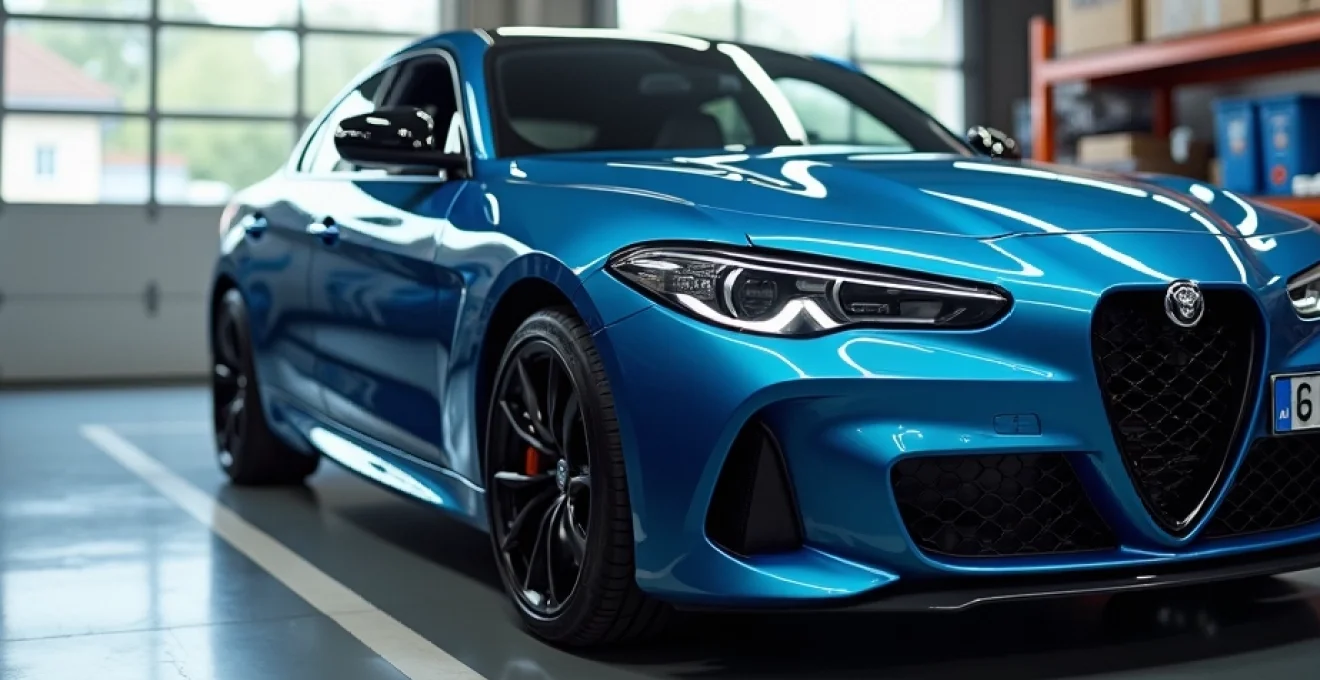
Vehicle depreciation represents one of the most significant financial challenges facing car owners today, with new vehicles typically losing between 20-30% of their value within the first year alone. Understanding how to preserve your car’s worth requires a strategic approach that goes beyond basic maintenance routines. The automotive market has become increasingly sophisticated, with buyers placing greater emphasis on documented care, original components, and comprehensive service histories when evaluating pre-owned vehicles.
Modern vehicles incorporate complex systems that demand specialised attention to maintain optimal performance and resale appeal. From advanced engine management systems to sophisticated paint protection technologies, today’s cars require a nuanced understanding of preservation techniques. Smart ownership practices can dramatically reduce depreciation rates, potentially saving thousands of pounds over the vehicle’s lifecycle whilst ensuring maximum return on your automotive investment.
Preventative maintenance scheduling for optimal vehicle depreciation control
Establishing a comprehensive preventative maintenance programme forms the cornerstone of value preservation in modern vehicles. Strategic maintenance scheduling extends far beyond manufacturer recommendations, incorporating predictive maintenance techniques that identify potential issues before they manifest into costly repairs. Professional automotive assessments suggest that vehicles following enhanced maintenance protocols retain approximately 15-20% more value compared to those receiving only basic servicing.
Manufacturer service interval adherence using OEM specifications
Strict adherence to Original Equipment Manufacturer (OEM) service intervals ensures optimal performance whilst maintaining warranty compliance. Modern vehicles utilise sophisticated Engine Control Units (ECUs) that monitor numerous parameters, from oil quality degradation to component wear patterns. These systems generate specific maintenance alerts based on actual usage conditions rather than arbitrary mileage intervals, providing more accurate service timing recommendations.
OEM specifications incorporate extensive testing data gathered during vehicle development phases, accounting for various operating conditions and climate factors. Deviating from these protocols, even with high-quality aftermarket alternatives, can potentially void warranty coverage and reduce buyer confidence during resale negotiations. Professional mechanics consistently observe that vehicles maintained strictly according to manufacturer guidelines experience fewer unexpected failures and demonstrate superior longevity characteristics.
High-mileage engine oil selection: synthetic vs conventional performance data
Engine oil selection significantly impacts long-term mechanical integrity and resale value preservation. Full synthetic lubricants demonstrate superior thermal stability and viscosity retention compared to conventional alternatives, particularly in high-stress operating conditions. Recent industry data indicates that vehicles consistently using premium synthetic oils maintain better compression ratios and exhibit reduced internal wear patterns over extended service periods.
High-mileage vehicles benefit enormously from specialised oil formulations containing seal conditioners and viscosity improvers. These advanced lubricants help prevent common age-related issues such as oil leaks and excessive consumption, maintaining the clean appearance essential for strong resale appeal. Professional automotive assessments reveal that vehicles with documented synthetic oil usage histories command premium pricing in secondary markets.
Transmission fluid exchange protocols for CVT and traditional automatic systems
Transmission systems represent one of the most expensive components to repair or replace, making proper fluid maintenance absolutely critical for value retention. Continuously Variable Transmissions (CVTs) require specific fluid types and exchange intervals that differ significantly from traditional automatic systems. These modern transmissions operate under different stress patterns, necessitating more frequent fluid changes to prevent premature wear and maintain smooth operation.
Traditional automatic transmissions benefit from complete fluid exchanges rather than simple drain-and-fill procedures. Professional transmission specialists recommend power-flushing systems that remove accumulated contaminants whilst ensuring proper fluid circulation throughout all system components. This comprehensive approach prevents the formation of varnish deposits that can compromise shift quality and trigger expensive diagnostic procedures.
Brake system component replacement timing for maximum safety rating retention
Brake system maintenance directly impacts both safety ratings and resale value, with potential buyers placing particular emphasis on braking performance during vehicle evaluations. Professional brake inspections should occur at regular intervals, examining not only pad thickness but also rotor condition, brake fluid quality, and calliper operation. Modern vehicles incorporate sophisticated brake monitoring systems that provide early warnings about component degradation.
Proactive brake component replacement prevents damage to more expensive system elements whilst maintaining optimal stopping performance. Delaying brake pad replacement can result in rotor damage, significantly increasing repair costs and potentially affecting vehicle safety ratings. Documentation of timely brake maintenance reassures potential buyers about the vehicle’s overall care and attention to critical safety systems.
Documentation and service record management for resale value maximisation
Comprehensive documentation serves as tangible proof of proper vehicle care, significantly influencing buyer perceptions and purchase decisions. Digital service records have revolutionised how ownership history is tracked and verified, providing unprecedented transparency in the pre-owned vehicle market. Professional automotive valuers consistently observe that vehicles with complete service documentation achieve 10-15% higher sale prices compared to those lacking proper records.
Digital service history platforms: carfax, AutoCheck, and manufacturer portals
Modern digital platforms have transformed service record management, offering secure, accessible storage for maintenance documentation. Vehicle Identification Number (VIN) tracking systems automatically compile service histories from authorised dealers and participating independent garages. These platforms provide potential buyers with instant access to comprehensive maintenance records, eliminating concerns about incomplete or fabricated service histories.
Manufacturer portals integrate directly with dealership systems, automatically updating service records when maintenance is performed at authorised facilities. This seamless integration ensures complete accuracy whilst providing owners with detailed insights into their vehicle’s maintenance status. Professional automotive advisors recommend actively monitoring these digital platforms to ensure all performed services are properly recorded and accessible to future buyers.
Original equipment manufacturer parts authentication and receipt archiving
Genuine OEM parts usage significantly impacts resale value, with discerning buyers specifically seeking vehicles maintained using original components. Parts authentication systems now enable verification of component authenticity through digital tracking and certification programmes. Professional mechanics observe that vehicles with documented OEM parts usage experience fewer unexpected failures and maintain superior performance characteristics over time.
Receipt archiving systems should include detailed parts specifications, installation dates, and warranty information. Digital storage solutions offer superior organisation compared to traditional paper filing systems, whilst providing backup protection against document loss. Comprehensive parts documentation demonstrates serious ownership commitment and helps justify premium pricing during resale negotiations.
Independent garage vs authorised dealer service impact on warranty claims
Service location decisions significantly influence warranty coverage and buyer confidence levels. Authorised dealer servicing provides guaranteed warranty compliance whilst ensuring technician familiarity with specific vehicle systems. However, high-quality independent garages often offer superior personal service and competitive pricing, particularly for routine maintenance procedures.
The key consideration involves maintaining proper documentation regardless of service location choice. Independent garages must follow manufacturer specifications precisely and use approved parts to maintain warranty validity. Professional automotive consultants recommend establishing relationships with certified independent specialists who understand specific manufacturer requirements and maintain proper documentation standards.
MOT certificate maintenance and advisory item resolution strategies
MOT certificates provide legally required safety verification whilst offering valuable insights into vehicle condition trends. Advisory item resolution demonstrates proactive maintenance approaches that prevent minor issues from developing into expensive repairs. Professional automotive assessors note that vehicles with clean MOT histories and promptly addressed advisory items consistently achieve higher market valuations.
Strategic advisory item management involves prioritising safety-critical issues whilst planning cost-effective resolution strategies for less urgent concerns. This approach prevents MOT failures whilst demonstrating responsible ownership practices to potential buyers. Comprehensive MOT documentation, including historical certificates and advisory item resolution records, provides powerful evidence of proper vehicle care and attention to safety requirements.
Exterior paint protection and bodywork preservation techniques
Paint condition represents one of the most immediately visible indicators of vehicle care, significantly influencing first impressions during resale evaluations. Professional paint protection technologies have advanced considerably, offering superior durability and aesthetic enhancement compared to traditional wax-based treatments. Industry research indicates that vehicles with properly maintained paint finishes achieve 8-12% higher resale values compared to those showing visible paint degradation.
Paint protection film installation on High-Impact zones
Paint Protection Film (PPF) installation provides invisible protection against stone chips, scratches, and environmental damage in vulnerable areas. High-impact zones including front bumpers, bonnet leading edges, and door handle areas benefit enormously from professional film application. Modern PPF materials offer self-healing properties that eliminate minor scratches through heat activation, maintaining pristine appearance over extended periods.
Professional installation requires precise cutting and application techniques to ensure seamless integration with existing paintwork. Quality PPF systems incorporate UV-resistant properties that prevent yellowing whilst maintaining optical clarity. The investment in professional paint protection film typically recovers its cost through improved resale value and reduced paint correction requirements.
Ceramic coating application for UV resistance and hydrophobic properties
Ceramic coating technology provides long-term paint protection through molecular bonding with the vehicle’s clear coat surface. Hydrophobic properties repel water, dirt, and contaminants, significantly reducing maintenance requirements whilst preserving paint gloss and clarity. Professional-grade ceramic coatings offer durability measured in years rather than months, providing exceptional value for long-term ownership scenarios.
UV resistance prevents paint fading and oxidation, particularly critical for vehicles exposed to intense sunlight or harsh environmental conditions. The coating’s chemical resistance protects against acid rain, bird droppings, and industrial fallout that can permanently damage unprotected paintwork. Professional application ensures proper surface preparation and curing, maximising coating durability and performance characteristics.
Professional ceramic coating installation can preserve paint condition for 3-5 years, significantly reducing the need for frequent polishing and waxing whilst maintaining showroom-quality appearance.
Rust prevention methods for wheel arches and underbody components
Rust prevention strategies focus on the most vulnerable areas where moisture and road salt accumulate over time. Wheel arch protection involves regular cleaning and application of corrosion-resistant treatments that penetrate existing rust and prevent further oxidation. Professional underbody treatments provide comprehensive protection against the harsh conditions encountered during winter driving.
Cavity wax injection systems reach areas inaccessible through conventional protection methods, providing long-term corrosion resistance in critical structural components. Regular underbody inspections identify potential problem areas before significant damage occurs, enabling cost-effective preventive treatments rather than expensive repairs. Professional rust prevention programmes significantly extend vehicle lifespan whilst maintaining structural integrity essential for safety and value retention.
Professional paint correction using Dual-Action polishers and compound selection
Paint correction procedures remove imperfections and restore optical clarity to degraded paint surfaces. Dual-action polisher technology provides controlled abrasion that eliminates swirl marks, scratches, and oxidation without risking paint damage. Professional compound selection depends on paint hardness, defect severity, and desired finish quality, requiring expert assessment and application techniques.
Multi-stage correction processes progressively refine paint surfaces from defect removal through final polishing stages. Professional technicians utilise paint depth gauges to monitor material removal and prevent breakthrough to primer or substrate layers. The investment in professional paint correction typically recovers its cost through dramatically improved appearance and enhanced resale appeal.
Interior condition preservation and upholstery protection systems
Interior condition significantly influences buyer perceptions and purchase decisions, with premium materials requiring specialised care to maintain their appearance and functionality. Upholstery protection systems have evolved to address the specific needs of different material types, from traditional leather to modern synthetic alternatives. Professional interior preservation programmes demonstrate ownership pride whilst maintaining the comfort and luxury features that buyers specifically seek in premium vehicles.
Modern vehicle interiors incorporate sophisticated materials and technologies that demand expert understanding for proper maintenance. Climate control systems, advanced infotainment displays, and premium audio equipment all require specific care protocols to maintain optimal performance. Regular professional cleaning and conditioning prevent premature wear whilst preserving the tactile and visual qualities that define interior luxury.
Leather conditioning programmes utilise pH-balanced products specifically formulated for automotive applications, preventing cracking, fading, and premature wear. Fabric protection treatments create invisible barriers against stains and spills whilst maintaining breathability and texture. Professional interior maintenance schedules account for usage patterns and environmental conditions, ensuring appropriate care frequency and product selection.
Interior preservation extends beyond cleaning to include conditioning treatments that maintain material flexibility and prevent irreversible damage from UV exposure and normal wear patterns.
Advanced interior protection includes dashboard conditioning to prevent cracking, plastic trim restoration to maintain colour consistency, and carpet protection systems that repel stains whilst preserving appearance. Electronic component cleaning requires specialised techniques that remove contamination without damaging sensitive circuitry. Professional interior care demonstrates attention to detail that significantly influences resale value and buyer confidence.
Strategic modification choices that enhance rather than diminish market appeal
Vehicle modifications present unique challenges for value retention, with buyer preferences varying significantly based on modification type, quality, and market segment. Strategic enhancement choices focus on improvements that broaden rather than narrow potential buyer appeal whilst maintaining manufacturer warranty coverage. Professional automotive consultants recommend modifications that enhance functionality, safety, or convenience without compromising the vehicle’s fundamental character or reliability.
Performance modifications require careful consideration of their impact on insurance costs, warranty coverage, and buyer demographics. Engine tuning, suspension modifications, and brake upgrades may appeal to enthusiast buyers but can deter mainstream purchasers concerned about reliability and running costs. The key involves selecting modifications that enhance the driving experience whilst maintaining broad market appeal and resale flexibility.
Cosmetic modifications should focus on high-quality components that integrate seamlessly with the vehicle’s design language. Aftermarket wheels, styling kits, and interior upgrades can enhance appearance when selected thoughtfully, but poor-quality modifications or inappropriate styling choices can significantly reduce value. Professional installation ensures proper fitment and finish quality that meets potential buyer expectations for premium vehicles.
Technology upgrades offer excellent value retention potential when they enhance convenience, safety, or entertainment capabilities. Modern infotainment systems, advanced driver assistance features, and connectivity upgrades appeal to contemporary buyers whilst improving daily usability. However, modification work must maintain professional installation standards and integrate properly with existing vehicle systems to avoid reliability concerns.
The most successful modifications are those that potential buyers perceive as genuine improvements rather than personalisation choices that reflect individual taste preferences.
Documentation of modification work becomes crucial for value retention, including parts specifications, installation procedures, and warranty information. Professional installation certificates provide buyer confidence whilst detailed records demonstrate quality and attention to proper procedures. Reversibility considerations ensure that modifications can be removed if necessary to appeal to specific buyer preferences during resale negotiations.
Mileage management and driving habit optimisation for residual value protection
Mileage accumulation directly impacts resale value calculations, with industry data showing significant value drops at specific mileage thresholds. Strategic mileage management involves understanding these value inflection points whilst optimising driving habits to minimise unnecessary wear and maintain mechanical integrity. Professional automotive analysts identify key mileage milestones where values experience accelerated depreciation, enabling owners to plan usage patterns and disposal timing strategically.
Driving habit optimisation extends beyond simple mileage reduction to encompass techniques that minimise component wear whilst maximising fuel efficiency. Smooth acceleration patterns, progressive braking techniques, and appropriate warm-up procedures significantly extend component lifespan whilst reducing maintenance requirements. Professional driving instructors specialising in efficiency techniques report that optimised driving habits can reduce maintenance costs by 20-30% over typical ownership periods.
Engine warm-up procedures become particularly important for modern turbocharged engines that operate under higher stress levels than naturally aspirated alternatives. Proper warm-up and cool-down procedures prevent thermal shock whilst ensuring adequate lubrication reaches all system components. These practices significantly extend turbocharger lifespan whilst maintaining optimal performance characteristics throughout the ownership period.
Highway driving patterns typically cause less wear than stop-and-start urban conditions, making journey planning an important consideration for value retention. Extended highway journeys allow engines to reach optimal operating temperatures whilst reducing brake and clutch wear associated with frequent stopping. Professional fleet managers utilise route optimisation strategies that balance efficiency with component preservation to maximise vehicle lifespan and residual values.
Modern vehicle monitoring systems provide detailed insights into driving patterns, fuel consumption, and component loading that enable optimisation strategies. On-Board Diagnostics (OBD) systems track numerous parameters that influence long-term reliability and maintenance requirements. Regular data analysis helps identify areas for driving habit improvement whilst monitoring the effectiveness of optimisation strategies over time.