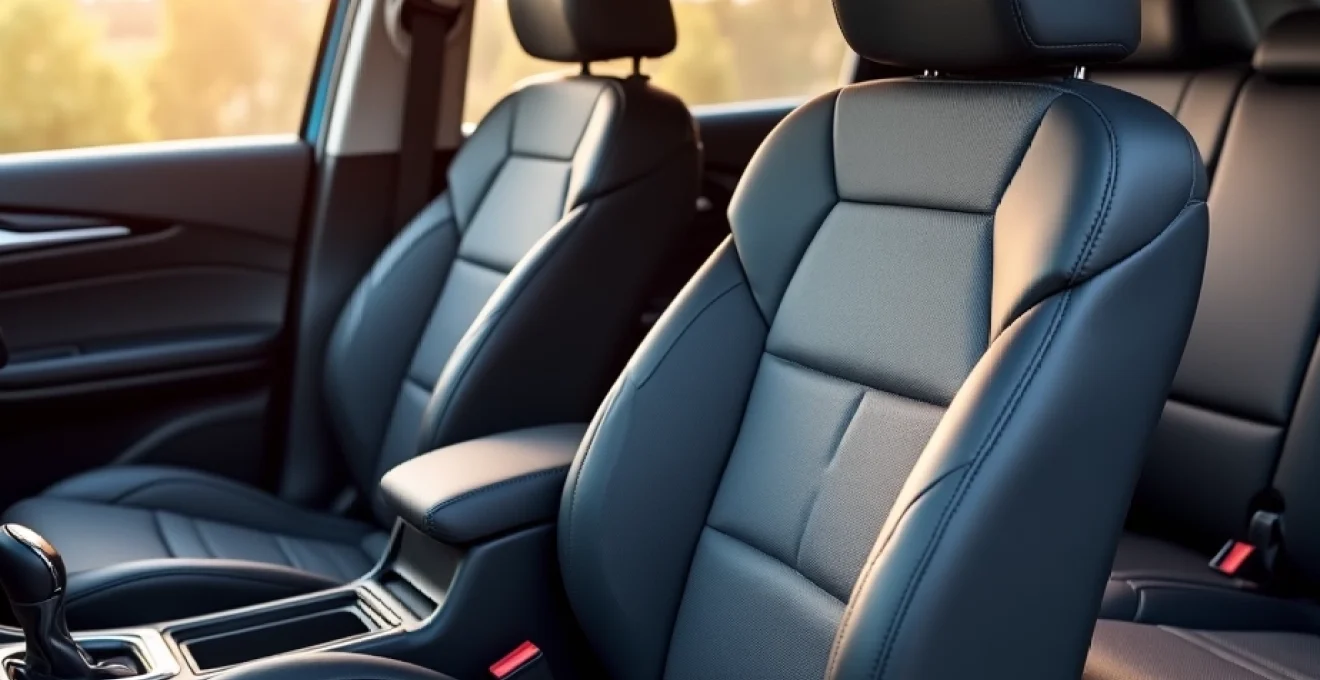
Your vehicle’s upholstery represents a significant investment that faces constant exposure to damaging elements. From UV radiation and temperature fluctuations to spills, pet hair, and everyday wear, car seats endure relentless stress that can dramatically reduce their lifespan and aesthetic appeal. Professional-grade seat covers offer the most effective solution for preserving your interior’s condition while maintaining comfort and functionality.
The automotive upholstery protection market has evolved considerably, with modern seat cover technologies delivering sophisticated barrier systems that address specific vulnerability factors. Quality protective solutions can extend upholstery life by up to 300% while preserving resale value and eliminating costly reupholstering expenses. Understanding the relationship between different upholstery materials and their protection requirements enables informed decision-making when selecting optimal coverage solutions.
Understanding automotive upholstery materials and vulnerability factors
Automotive upholstery materials each exhibit distinct characteristics that determine their susceptibility to damage and degradation. Natural leather , synthetic alternatives, fabric compositions, and specialty materials like Alcantara require tailored protection strategies to maintain their integrity over extended periods. The interaction between environmental factors and material composition creates specific wear patterns that quality seat covers must address effectively.
Temperature cycling represents one of the most destructive forces affecting automotive interiors. Daily temperature variations of 30-40 degrees Celsius in parked vehicles create expansion and contraction cycles that stress material fibres and bonding agents. This thermal stress contributes to cracking, fading, and premature deterioration across all upholstery types, making protective barriers essential for long-term preservation.
Genuine leather vs synthetic leather durability characteristics
Genuine leather upholstery offers exceptional durability and luxury appeal but requires specific protection protocols to prevent cracking, discoloration, and moisture damage. Natural leather contains oils and proteins that can dry out under constant UV exposure, leading to surface cracking and permanent damage. Quality seat covers for leather interiors must provide UV protection while maintaining breathability to prevent moisture accumulation that can cause mould and mildew.
Synthetic leather alternatives, including polyurethane and vinyl compositions, demonstrate different vulnerability patterns compared to natural materials. While synthetic options typically resist moisture penetration better than genuine leather, they remain susceptible to UV degradation and can develop surface brittleness over time. The thermal expansion characteristics of synthetic materials also differ significantly, requiring seat covers with appropriate stretch properties to accommodate dimensional changes.
Fabric upholstery wear patterns and UV degradation
Fabric upholstery exhibits complex wear patterns influenced by fibre composition, weave density, and treatment applications. Cotton and wool blends demonstrate excellent comfort characteristics but show vulnerability to staining and moisture absorption. Synthetic fabric blends offer enhanced durability but can develop pilling and colour fading under prolonged UV exposure.
UV degradation in fabric upholstery typically manifests as colour fading, fibre weakening, and texture changes that compromise both appearance and structural integrity. Studies indicate that untreated fabric upholstery can lose up to 60% of its tensile strength after five years of regular UV exposure. Premium seat covers with integrated UV blocking technology can reduce this degradation by up to 85%, significantly extending upholstery lifespan.
Alcantara and microsuede maintenance requirements
Alcantara and microsuede materials represent sophisticated upholstery options that require specialized protection approaches due to their unique construction and performance characteristics. These materials feature extremely fine synthetic fibres that create luxurious tactile properties but remain vulnerable to oil absorption and directional wear patterns that can create permanent marking.
The maintenance requirements for Alcantara and microsuede upholstery include regular brushing to maintain texture, immediate attention to liquid spills, and protection from oils that can create permanent staining. Quality seat covers for these materials must provide complete barrier protection while preserving the distinctive feel and appearance that makes these upholstery options desirable.
Temperature fluctuation impact on seat material integrity
Temperature fluctuations create mechanical stress in upholstery materials through repeated expansion and contraction cycles that gradually weaken structural bonds. Leather materials experience dimensional changes of 2-4% with extreme temperature variations, while synthetic materials can exhibit changes of 5-8%. These movements stress stitching, adhesive bonds, and material interfaces, potentially causing separation and visible damage.
Professional automotive interior specialists report that temperature-related damage accounts for approximately 40% of premature upholstery failure in vehicles regularly exposed to extreme conditions.
Effective seat cover protection systems incorporate thermal barrier properties that moderate temperature fluctuations while maintaining comfort. Advanced materials can reduce interior temperature variations by 15-20 degrees, significantly reducing thermal stress on underlying upholstery materials.
Seat cover material technologies and performance specifications
Modern seat cover technologies incorporate sophisticated material engineering to deliver comprehensive protection while maintaining comfort and functionality. The selection of appropriate seat cover materials depends on specific use requirements, environmental conditions, and performance expectations. Understanding the capabilities and limitations of different material technologies enables optimal protection system design.
Performance specifications for quality seat covers typically include water resistance ratings, UV protection factors, abrasion resistance measurements, and breathability characteristics. Professional-grade solutions often feature multi-layer constructions that combine different material technologies to achieve optimal performance across multiple criteria.
Neoprene waterproof barrier systems for active lifestyles
Neoprene seat covers represent the gold standard for waterproof protection in demanding applications. Originally developed for diving suits, neoprene technology provides exceptional moisture barrier properties while maintaining flexibility and comfort. The cellular structure of neoprene creates natural insulation properties that help moderate temperature extremes.
Modern automotive neoprene formulations incorporate UV-resistant additives and antimicrobial treatments that enhance longevity and hygiene performance. Quality neoprene seat covers can withstand continuous moisture exposure while maintaining structural integrity for 5-7 years under normal use conditions. The material’s inherent stretch characteristics ensure proper fitment across diverse seat designs.
Canvas and cordura fabric abrasion resistance ratings
Canvas and Cordura fabrics offer exceptional durability for heavy-duty applications where abrasion resistance takes priority over luxury comfort. Canvas materials, particularly those with polyester reinforcement, can withstand over 100,000 abrasion cycles without significant wear, making them ideal for commercial and industrial vehicle applications.
Cordura fabric technology delivers even higher performance with abrasion resistance ratings exceeding 150,000 cycles. The ballistic nylon construction used in premium Cordura seat covers provides tear resistance that surpasses standard automotive upholstery by 400-500%. These materials excel in applications involving frequent entry and exit, tool contact, or cargo handling activities.
Memory foam integration in premium seat cover designs
Advanced seat cover designs incorporate memory foam layers that enhance comfort while providing additional protective cushioning for underlying upholstery. The viscoelastic properties of memory foam distribute pressure evenly, reducing point loading that can cause premature wear patterns in original upholstery materials.
Memory foam integration requires careful consideration of thickness, density, and thermal properties to maintain proper seat functionality. Optimal designs typically use 10-15mm foam layers with densities of 50-60 kg/m³ to provide comfort enhancement without compromising safety system operation or temperature regulation.
Breathable mesh panel construction for climate control
Strategic mesh panel integration in seat cover designs addresses climate control requirements while maintaining protective coverage. Perforated sections in high-heat areas allow air circulation that prevents moisture accumulation and temperature buildup. Advanced mesh constructions use engineered pore sizes that permit air flow while blocking liquid penetration.
The placement and sizing of breathable panels requires careful engineering to balance ventilation with protection. Optimal designs typically incorporate mesh sections in the central seating area while maintaining solid coverage in high-wear zones. This approach can reduce seat surface temperatures by 8-12 degrees compared to non-ventilated covers.
Anti-microbial treatment applications in modern seat covers
Anti-microbial treatments in modern seat covers address hygiene concerns while preventing odour development and material degradation caused by bacterial growth. Silver ion technology represents the most effective approach, providing continuous antimicrobial action that remains effective for the lifetime of the seat cover.
Advanced antimicrobial systems can reduce bacterial populations by 99.9% within 24 hours of contact, significantly improving interior hygiene. These treatments prove particularly valuable in high-use applications where multiple occupants create increased contamination risks.
Professional installation techniques for maximum protection
Proper installation techniques directly influence the effectiveness and longevity of seat cover protection systems. Professional-grade installation ensures optimal fitment, safety compliance, and maximum protective coverage while maintaining vehicle functionality. Understanding installation requirements and techniques enables DIY success or informed professional service selection.
Installation quality affects not only appearance but also safety system operation, particularly regarding airbag deployment and side-impact protection. Incorrect installation can compromise safety systems while creating wear points that reduce seat cover lifespan. Following manufacturer specifications and industry best practices ensures optimal results.
Custom-fit template measurement for precision coverage
Achieving precision coverage requires accurate measurement and template creation that accounts for seat contours, bolstering, and feature integration. Professional template systems use multiple measurement points to capture complex seat geometry and ensure proper fitment without gaps or excess material that can create wear points.
Digital measurement technologies increasingly supplement traditional templating methods, providing CAD-level accuracy for complex seat designs. These systems can achieve fitment tolerances within 2-3mm, ensuring optimal appearance and protection coverage. Custom templates also account for specific vehicle features such as integrated heating elements, massage systems, and electronic controls.
Airbag-compatible Side-Impact safety considerations
Airbag compatibility represents a critical safety consideration that requires specific design features and installation techniques. Side-impact airbags typically deploy through perforated sections in seat upholstery, requiring seat covers with corresponding breakaway sections or engineered tear seams that allow proper deployment.
Safety testing indicates that properly designed airbag-compatible seat covers can maintain deployment timing within 2-3 milliseconds of factory specifications, ensuring occupant protection remains uncompromised.
Installation procedures for airbag-compatible covers require precise alignment of breakaway sections with original equipment locations. Misalignment can delay deployment or alter deployment characteristics, potentially compromising occupant protection. Professional installation ensures proper alignment and safety system functionality verification.
Elastic tension adjustment methods for secure fitment
Proper tension adjustment prevents seat cover migration while avoiding over-tightening that can stress materials or interfere with seat operation. Elastic components must provide sufficient tension to maintain position during normal use while accommodating seat adjustments and occupant movement.
Multi-point tensioning systems distribute loads evenly across attachment points, reducing stress concentrations that can cause premature failure. Quality installations typically use 8-12 attachment points per seat section, with tension adjustments calibrated to specific material characteristics and seat geometry.
Headrest and armrest integration strategies
Headrest and armrest integration requires specialized techniques to maintain proper coverage while preserving adjustment functionality. Removable sections or engineered openings allow access to adjustment mechanisms while providing complete protection coverage. The integration approach depends on specific vehicle features and usage requirements.
Advanced integration techniques use modular designs that accommodate different headrest positions and armrest configurations. These systems maintain protective coverage across the full range of adjustments while ensuring easy access to controls and adjustment mechanisms. Proper integration can extend the coverage area by 15-20% compared to basic installation approaches.
Maintenance protocols for extended seat cover longevity
Implementing proper maintenance protocols significantly extends seat cover lifespan while maintaining optimal protective performance. Regular maintenance prevents accumulated contamination, addresses minor damage before it progresses, and ensures continued functionality of advanced features such as waterproofing and antimicrobial treatments. Preventive maintenance approaches prove more cost-effective than replacement or extensive restoration procedures.
Maintenance requirements vary based on material composition, usage patterns, and environmental conditions. Heavy-duty applications may require weekly attention, while normal passenger vehicle use typically needs monthly maintenance procedures. Understanding specific material requirements prevents inappropriate treatments that can damage protective coatings or compromise performance characteristics.
Regular inspection protocols should identify early signs of wear, damage, or performance degradation before they compromise protection effectiveness. Common indicators include material thinning, stitching stress, attachment point loosening, and coating deterioration. Early intervention can often restore performance and prevent complete replacement necessity.
Professional cleaning and treatment services can extend seat cover lifespan by 40-60% compared to basic maintenance approaches. These services typically include deep cleaning, protective coating renewal, and minor repair procedures that restore original performance characteristics. The investment in professional maintenance proves cost-effective compared to premature replacement costs.
Cost-benefit analysis of premium vs budget seat cover solutions
The initial cost differential between premium and budget seat cover solutions often misleads consumers regarding long-term value propositions. While premium solutions typically require 2-3 times higher initial investment, their extended lifespan, superior protection, and enhanced features often deliver better long-term value. Comprehensive cost-benefit analysis must consider multiple factors beyond initial purchase price.
Premium seat covers typically offer 5-7 year service lives compared to 2-3 years for budget alternatives. When combined with superior protection that prevents upholstery damage, the total cost of ownership often favours premium solutions by 30-40%. Additional benefits such as improved comfort, enhanced appearance, and maintained resale value further improve the value proposition.
Budget solutions may prove appropriate for short-term applications, temporary protection needs, or vehicles with limited service life expectations. However, the false economy of budget options becomes apparent when replacement frequency, protection effectiveness, and opportunity costs are factored into total ownership calculations. Professional installations and premium materials typically deliver optimal long-term value.
| Solution Type | Initial Cost | Service Life | Protection Level | Annual Cost |
|---|---|---|---|---|
| Budget Covers | £150-300 | 2-3 years | Basic | £75-150 |
| Premium Covers | £400-800 | 5-7 years | Comprehensive | £65-130 |
The analysis reveals that premium solutions often provide lower annual costs while delivering superior protection and performance. This economic advantage increases when upholstery preservation benefits and resale value maintenance are included in calculations. Professional consultation can help identify optimal solutions for specific applications and budget requirements.
Brand-specific recommendations for popular vehicle models
Different vehicle manufacturers employ varying upholstery materials, seat designs, and safety system configurations that influence optimal seat cover selection. Understanding brand-specific requirements ensures compatibility while maximizing protection effectiveness. Popular vehicle models often have established aftermarket solutions that provide proven performance and fitment accuracy.
Luxury vehicle brands such as BMW, Mercedes-Benz, and Audi typically feature premium upholstery materials that require sophisticated protection solutions. These vehicles often incorporate complex seat designs with integrated electronics, heating systems, and massage functions that demand custom-engineered seat covers. The higher value of luxury upholstery justifies premium protection investments that preserve these expensive interiors.
Commercial vehicle applications, including Ford Transit, Mercedes Sprinter, and Iveco Daily models, prioritize durability and easy maintenance over luxury comfort. These applications benefit from heavy-duty seat covers with reinforced wear zones, waterproof construction, and antimicrobial treatments. The harsh usage conditions typical of commercial vehicles require robust protection solutions that can withstand continuous abuse.
Sports and performance vehicles present unique challenges due to aggressive seat bolstering, specialized materials like Alcantara, and complex safety system integration. Custom solutions for vehicles like the Porsche 911, BMW M Series, and Audi RS models must maintain the sporty aesthetic while providing comprehensive protection. The precision required for performance vehicle applications typically necessitates professional measurement and installation services.
Family vehicle recommendations focus on practicality, easy maintenance, and child-friendly features. Popular models including the Toyota RAV4, Honda CR-V, and Volkswagen Tiguan benefit from waterproof seat covers with stain-resistant treatments and easy removal for cleaning. These applications prioritize functionality over luxury while maintaining attractive appearance and comfort characteristics that enhance the family driving experience.