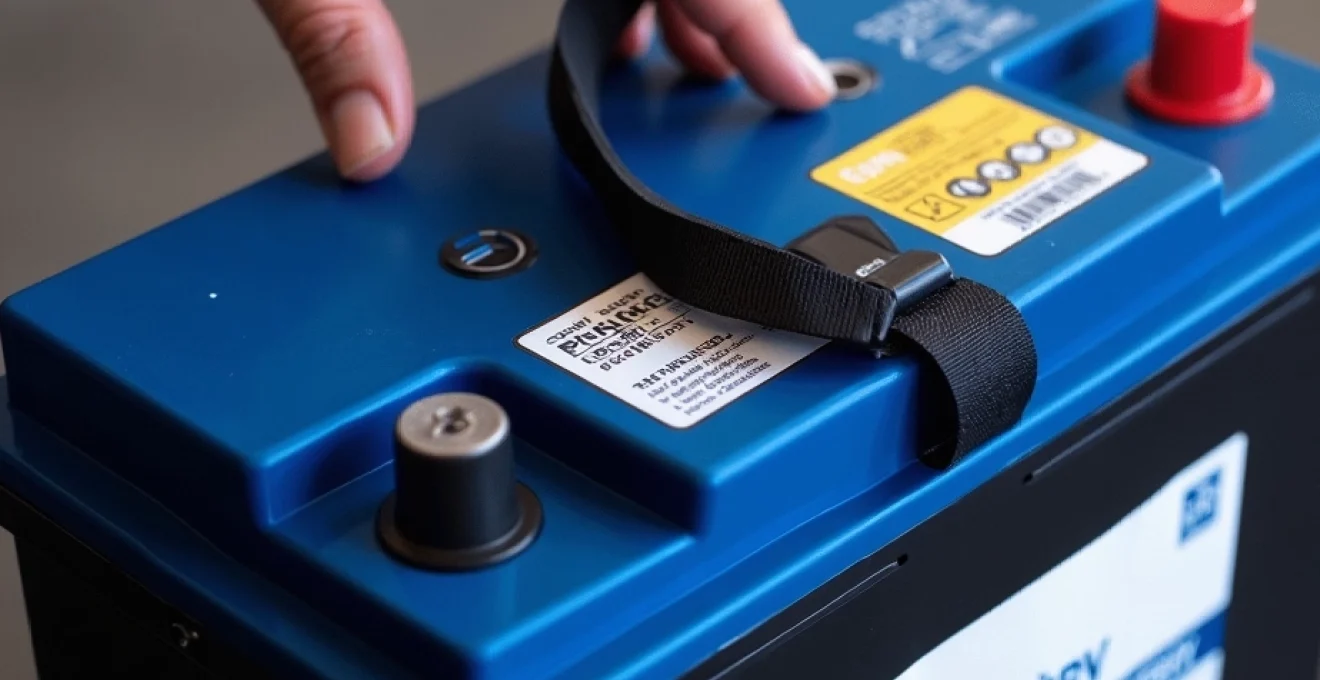
Selecting the right car battery represents one of the most critical decisions you’ll make for your vehicle’s electrical system. Modern automobiles demand increasingly sophisticated power management solutions, with batteries serving as the cornerstone of reliable engine starting, electronic component operation, and overall vehicular performance. The automotive battery market offers numerous technologies, specifications, and brands, each designed to meet specific requirements and driving conditions.
Understanding battery specifications becomes essential when faced with replacement decisions. Cold cranking amperage , reserve capacity, and chemical composition directly influence your vehicle’s starting reliability and electrical system performance. Vehicle manufacturers specify particular battery requirements based on engine size, electrical load demands, and environmental operating conditions, making informed selection crucial for optimal functionality.
Quality battery selection extends beyond immediate replacement needs. Premium batteries with appropriate specifications can deliver three to five years of reliable service, whilst inappropriate choices may result in premature failure, reduced performance, and potential damage to sensitive electronic components. Investment in proper battery technology pays dividends through enhanced reliability, reduced maintenance costs, and improved overall vehicle performance.
Understanding car battery types and chemistry technologies
Modern automotive batteries employ diverse chemical technologies, each offering distinct advantages for specific applications. Traditional flooded lead-acid batteries remain popular due to affordability and widespread availability, whilst advanced technologies like Absorbed Glass Mat (AGM) and Enhanced Flooded Battery (EFB) designs provide superior performance for demanding applications. Understanding these technologies enables informed decisions based on vehicle requirements and driving patterns.
Lead-acid vs AGM vs Lithium-Ion battery construction
Conventional lead-acid batteries utilise liquid electrolyte solutions housed within robust polypropylene cases. These units feature removable caps for maintenance access and provide reliable service for traditional automotive applications. Lead-acid technology delivers consistent performance at moderate cost, making it suitable for vehicles without start-stop systems or extensive electrical accessories.
AGM batteries incorporate absorbent glass mat separators that immobilise electrolyte solutions, creating spill-proof, maintenance-free designs. This construction enables superior vibration resistance and enhanced deep-cycle capabilities compared to flooded designs. AGM technology excels in applications requiring frequent cycling, high electrical loads, or installation in non-standard orientations.
Lithium-ion automotive batteries represent cutting-edge technology offering exceptional power-to-weight ratios and extended service life. These units deliver consistent voltage output throughout discharge cycles and exhibit minimal self-discharge characteristics. However, lithium-ion batteries require sophisticated battery management systems and command premium pricing compared to traditional alternatives.
Cold cranking amps (CCA) and reserve capacity specifications
Cold Cranking Amperage measures battery performance under standardised low-temperature conditions, specifically the amperage available at -18°C for thirty seconds whilst maintaining minimum voltage thresholds. Higher CCA ratings indicate superior cold-weather starting performance, crucial for reliable operation in harsh climates. Vehicle manufacturers specify minimum CCA requirements based on engine displacement, compression ratios, and starter motor demands.
Reserve capacity quantifies battery endurance when the charging system fails, measured in minutes of continuous 25-ampere discharge before voltage drops below critical thresholds. This specification proves vital for emergency situations and vehicles with high electrical loads. Extended reserve capacity provides additional safety margins during alternator failures or extended accessory usage with the engine off.
Premium batteries typically exceed manufacturer specifications by 10-20% for both CCA and reserve capacity, providing enhanced performance margins for demanding conditions.
Calcium-calcium vs antimony electrode configurations
Calcium-calcium electrode construction utilises calcium alloy grids for both positive and negative plates, reducing water consumption and extending service intervals. This design exhibits lower self-discharge rates compared to traditional antimony configurations, making it ideal for vehicles with extended storage periods or infrequent usage patterns.
Antimony electrode configurations incorporate antimony alloy grids that enhance deep-cycle performance but increase maintenance requirements. These designs tolerate repeated discharge cycles better than calcium alternatives whilst requiring more frequent electrolyte level monitoring. Professional applications often favour antimony construction for superior durability under demanding conditions.
Deep cycle vs starting battery applications
Starting batteries optimise design for high-amperage, short-duration discharge cycles required for engine cranking. These units feature numerous thin plates maximising surface area for rapid current delivery whilst sacrificing deep-cycle durability. Starting batteries excel in conventional automotive applications where regular charging occurs through alternator operation.
Deep cycle batteries incorporate thicker plates designed for repeated discharge and recharge cycles without performance degradation. These units sacrifice maximum current output for enhanced cycling durability, making them suitable for recreational vehicles, marine applications, and vehicles with extensive accessory loads requiring extended operation without engine running.
Battery sizing and compatibility assessment for your vehicle
Proper battery sizing ensures optimal fit, performance, and safety within your vehicle’s electrical system. Battery dimensions, terminal configurations, and hold-down mechanisms must align precisely with manufacturer specifications to prevent installation complications and operational issues. Mismatched batteries can result in inadequate hold-down security, cable strain, or interference with surrounding components.
Group size standards: BCI group 24, 27, and 35 classifications
The Battery Council International (BCI) established standardised group size classifications defining physical dimensions, terminal locations, and mounting configurations. Group 24 batteries typically measure 10.25″ × 6.81″ × 8.88″ and serve mid-size vehicles requiring moderate capacity. These units provide balanced performance for vehicles with standard electrical loads and conventional engine configurations.
Group 27 batteries offer increased capacity within dimensions of 12.06″ × 6.81″ × 8.88″, suitable for larger vehicles with higher electrical demands. Heavy-duty applications often require Group 27 specifications for enhanced reserve capacity and extended service intervals. Commercial vehicles, trucks, and SUVs frequently utilise this group size for reliable performance under demanding conditions.
Group 35 batteries feature compact dimensions of 9.06″ × 6.81″ × 8.88″ designed for space-constrained installations common in Asian vehicle platforms. These units maximise capacity within limited underhood space whilst maintaining necessary performance characteristics. Import vehicles often specify Group 35 batteries due to packaging constraints and specific mounting requirements.
Terminal configuration: top post vs side post requirements
Top post terminals project vertically from the battery cover, utilising conical lead posts secured with bolt-on clamps. This configuration provides robust electrical connections and easy maintenance access whilst requiring adequate vertical clearance. Top post designs accommodate various cable orientations and aftermarket accessories effectively.
Side post terminals integrate threaded receptacles within the battery case sidewalls, creating low-profile installations suitable for space-constrained applications. These terminals utilise bolt-in connections providing secure attachment whilst minimising height requirements. Side post configurations prove particularly common in General Motors vehicles and applications requiring minimal vertical clearance.
Physical dimensions and Hold-Down bracket compatibility
Battery hold-down systems secure units against vehicle movement and vibration using bottom-mount brackets, top-hold-down clamps, or integrated mounting systems. Proper hold-down engagement prevents battery movement that could damage terminals, cases, or surrounding components during operation. Installation requires verification of hold-down compatibility and secure fastening to manufacturer specifications.
Clearance verification ensures adequate space around battery terminals, venting systems, and maintenance access points. Insufficient clearance can impede proper ventilation, complicate maintenance procedures, or create safety hazards during service. Professional installation includes comprehensive clearance assessment and proper routing of ventilation tubes where applicable.
OEM specifications for ford, toyota, and BMW models
Ford vehicles typically utilise BCI Group 58, 65, or 78 batteries depending on engine configuration and model year. F-150 trucks often specify Group 65 batteries with minimum 750 CCA ratings, whilst smaller vehicles like Focus models utilise Group 58 batteries with 590-650 CCA specifications. Ford’s start-stop systems require AGM technology for reliable performance.
Toyota applications commonly specify BCI Group 24F or 35 batteries with vehicle-specific CCA requirements ranging from 500-700 amperes. Hybrid models utilise auxiliary 12-volt batteries with unique specifications optimised for hybrid system integration. Toyota recommends OEM-equivalent specifications for warranty compliance and optimal system integration.
BMW vehicles often require AGM batteries due to sophisticated electrical systems and start-stop technology. Group 94R AGM batteries serve most BMW applications with minimum 800 CCA ratings and enhanced cycling capabilities. BMW’s intelligent battery sensor systems require specific battery technologies for proper operation and diagnostic functionality.
Climate-specific performance requirements and testing standards
Environmental conditions significantly impact battery performance, with temperature extremes presenting particular challenges for reliable operation. Cold temperatures reduce available capacity and increase viscosity of engine lubricants, demanding higher starting currents whilst simultaneously reducing battery output capability. Hot climates accelerate chemical reactions within batteries, potentially shortening service life through increased water loss and plate corrosion.
Testing standards established by organizations like SAE International and IEC define performance criteria under controlled conditions. SAE J537 specifications outline cold cranking performance testing procedures, whilst IEC 60095-1 standards address capacity and endurance characteristics. These standards enable meaningful performance comparisons between battery technologies and brands.
Arctic conditions below -30°C demand batteries with enhanced cold-weather formulations and increased CCA ratings. Special low-temperature electrolyte formulations maintain ionic conductivity under extreme cold whilst reinforced case designs prevent cracking from thermal expansion cycles. Cold climate batteries often incorporate 20-30% higher CCA ratings than standard specifications for reliable starting performance.
Desert environments with sustained high temperatures require batteries with enhanced heat resistance and improved water retention capabilities. AGM and calcium-calcium technologies excel in hot climates due to reduced water loss and superior thermal stability. Heat-resistant separators and robust plate designs extend service life under prolonged high-temperature exposure.
Quality batteries undergo comprehensive environmental testing including thermal cycling, vibration resistance, and altitude performance validation to ensure reliable operation across diverse conditions.
Humidity and salt air exposure in coastal regions accelerate terminal corrosion and case degradation, requiring enhanced protective measures. Marine-grade terminals and corrosion-resistant coatings extend battery life in harsh coastal environments. Regular terminal cleaning and protective treatments become essential maintenance practices for vehicles operated near salt water.
Leading battery manufacturers and product line analysis
Premium battery manufacturers distinguish themselves through advanced research and development, comprehensive quality control, and extensive warranty coverage. Industry leaders like Optima, Interstate, Bosch, and Varta invest heavily in technology advancement and manufacturing excellence to deliver superior products for demanding applications.
Optima RedTop and YellowTop performance comparison
Optima RedTop batteries utilise spiral cell AGM technology optimised for high-current starting applications. These units deliver exceptional cranking performance with 720-800 CCA ratings whilst maintaining compact dimensions. RedTop batteries excel in racing, high-performance, and premium automotive applications requiring maximum starting power.
YellowTop batteries incorporate dual-purpose designs combining starting capability with deep-cycle performance for vehicles with extensive electrical accessories. These units feature enhanced cycling durability whilst maintaining strong cranking performance for versatile applications. YellowTop technology suits vehicles with winches, audio systems, or other high-drain accessories requiring extended operation without engine running.
Spiral cell construction provides superior vibration resistance compared to conventional flat-plate designs, making Optima batteries ideal for off-road vehicles and racing applications. The unique design also enables mounting in various orientations whilst maintaining performance characteristics and preventing electrolyte spillage.
Interstate batteries MTP series vs DieHard platinum
Interstate MTP Series batteries incorporate advanced AGM technology with reinforced plate designs for commercial and heavy-duty applications. These units deliver 24-month replacement warranties and enhanced cycling capabilities suitable for work trucks and commercial vehicles. MTP Series batteries provide reliable performance under demanding professional conditions.
DieHard Platinum batteries feature advanced lead-acid technology with calcium-alloy grids for extended service life and reduced maintenance requirements. These units offer comprehensive warranty coverage and widespread availability through Sears and automotive retailers. DieHard batteries maintain strong brand recognition and proven performance in consumer applications.
Warranty coverage differences between Interstate and DieHard reflect manufacturer confidence and target market focus. Interstate emphasises commercial applications with comprehensive coverage, whilst DieHard targets consumer markets with accessible service networks and straightforward warranty processes.
Bosch S6 AGM technology vs varta blue dynamic range
Bosch S6 AGM batteries incorporate German engineering excellence with advanced glass mat technology for premium European vehicles. These units feature enhanced cycling capabilities and superior cold-weather performance suited to sophisticated start-stop systems. S6 batteries deliver OEM-equivalent performance for BMW, Mercedes-Benz, and Audi applications.
Varta Blue Dynamic batteries utilise PowerFrame grid technology for enhanced electrical conductivity and corrosion resistance. This innovative design provides improved starting performance and extended service life through optimised lead alloy formulations. Blue Dynamic technology represents excellent value for European vehicle applications requiring reliable performance.
Both manufacturers leverage extensive European automotive industry experience to develop batteries specifically optimised for regional vehicle requirements and operating conditions. Quality control standards reflect stringent European automotive specifications for reliability and environmental compliance.
Acdelco professional vs duralast gold warranty coverage
ACDelco Professional batteries offer General Motors OEM heritage with comprehensive warranty coverage including nationwide service availability. These units feature advanced designs optimised for GM vehicles whilst maintaining compatibility with other manufacturers. Professional series batteries deliver enhanced performance for demanding applications.
Duralast Gold batteries provide exceptional warranty coverage through AutoZone’s extensive retail network, offering convenient replacement services and competitive pricing. These units incorporate quality construction with enhanced corrosion resistance and reliable performance characteristics. Gold series warranties include comprehensive coverage periods and straightforward replacement procedures.
Service network accessibility significantly influences warranty value, with both ACDelco and Duralast maintaining extensive retail presence for convenient customer support. Warranty terms, replacement procedures, and geographic coverage vary between manufacturers, affecting overall ownership experience and long-term value.
Battery maintenance protocols and longevity optimisation
Proper maintenance significantly extends battery service life whilst ensuring consistent performance throughout the operational period. Regular inspection procedures identify potential issues before they result in failure, whilst appropriate care practices optimise charging characteristics and prevent premature degradation. Modern batteries require minimal maintenance compared to older technologies, but basic care remains essential for maximum longevity.
Terminal cleaning represents the most critical maintenance task for maintaining optimal electrical connections. Corrosion buildup increases resistance and can lead to charging system problems or starting difficulties. Weekly visual inspections identify developing corrosion issues, whilst monthly cleaning with appropriate solutions prevents significant buildup. Protective terminal sprays applied after cleaning provide long-term corrosion resistance.
Temperature management plays a crucial role in battery longevity, with extreme heat and cold both contributing to reduced service life. Garage parking during extreme weather provides protection from temperature extremes, whilst battery blankets or heaters offer additional cold-weather protection. Proper ventilation around the battery prevents heat buildup that accelerates plate degradation and water loss.
Charging system maintenance ensures optimal battery health through proper voltage regulation and charging current control. Loose alternator belts reduce charging efficiency, whilst faulty voltage regulators can overcharge batteries causing premature failure. Annual charging system testing identifies potential issues before they damage expensive batteries or leave you stranded.
Statistics indicate that proper maintenance can extend battery life by 30-50% compared to neglected units, representing significant cost savings over time.
Load testing provides definitive assessment of battery condition and remaining capacity under realistic operating conditions. Professional load testing equipment applies controlled discharge whilst monitoring voltage characteristics to determine battery health. Annual load testing identifies declining batteries before complete failure occurs, allowing planned replacement rather than emergency situations.
Parasitic drain testing identifies electrical components that continue drawing current with the vehicle off, potentially draining batteries during extended parking periods. Modern vehicles contain numerous control modules that require minimal standby current, but faulty components can draw excessive current leading to dead batteries. Professional parasitic drain testing isolates problematic circuits for targeted repairs.
Cost-performance analysis and ROI calculations
Battery investment decisions require careful consideration of initial cost versus long-term value, performance characteristics, and total ownership expenses. Premium batteries command higher initial prices but often deliver superior performance, extended service life, and enhanced warranty coverage that justifies the additional investment. Budget options may appear attractive initially but could result in higher total costs through premature replacement and reduced reliability.
Service life calculations reveal significant differences between battery technologies and quality levels. Premium AGM batteries typically deliver 5-7 years of reliable service, whilst economy lead-acid units may require replacement after 3-4 years. When calculated on an annual cost basis, premium batteries often provide superior value despite higher initial investment. Professional installations and proper maintenance further extend service intervals for maximum return on investment.
Warranty coverage analysis reveals substantial differences in protection levels and claim procedures between manufacturers. Extended warranties often include prorated coverage periods that reduce replacement costs even after initial coverage expires. Comprehensive warranty analysis should include coverage duration, geographic availability, replacement procedures, and any exclusions that might void protection. Professional installation requirements and maintenance compliance can significantly impact warranty validity.
Total cost of ownership calculations must include installation costs, maintenance expenses, and potential vehicle damage from battery failures. Emergency roadside assistance calls can cost £100-200 per incident, whilst towing charges add substantial expenses to unexpected failures. Premium batteries with superior reliability reduce these risks significantly, often justifying higher initial costs through avoided emergency expenses and improved peace of mind.
Performance benefits of premium batteries extend beyond basic starting capability to include enhanced electrical system stability and component protection. Consistent voltage output protects sensitive electronic components from damage caused by voltage fluctuations during starting cycles. Modern vehicles with sophisticated control modules benefit significantly from stable electrical supply that premium batteries provide consistently.
Fleet applications demonstrate clear cost advantages of premium battery selection through reduced maintenance overhead and improved vehicle availability. Commercial operators tracking total cost of ownership consistently report lower per-mile battery costs when using premium units despite higher initial investment. Reduced downtime and emergency service calls provide substantial operational benefits that justify premium battery selection for professional applications.
Industry data indicates that premium batteries deliver 40-60% lower total cost of ownership compared to economy alternatives when all factors including reliability, service life, and emergency costs are considered comprehensively.
Environmental considerations increasingly influence battery selection decisions as manufacturers focus on sustainable production methods and recycling programs. Lead-acid batteries maintain excellent recyclability rates exceeding 95%, whilst newer technologies present unique recycling challenges. Choosing manufacturers with comprehensive environmental stewardship programs supports sustainable automotive practices whilst often providing superior product quality and customer support services.
Regional pricing variations affect battery value calculations, with geographic factors influencing both initial costs and long-term service availability. Urban areas typically offer competitive pricing through multiple retailers, whilst rural regions may have limited options affecting both initial costs and warranty service accessibility. Online purchasing can provide cost savings but may complicate warranty claims and professional installation arrangements.
Technology advancement considerations influence long-term value calculations as automotive electrical systems continue evolving toward higher efficiency and performance standards. Investing in current-generation battery technology ensures compatibility with existing vehicle systems whilst providing upgrade paths for future modifications. Future-proofing battery investments through technology selection can extend useful life and maintain optimal performance as vehicle requirements evolve over time.