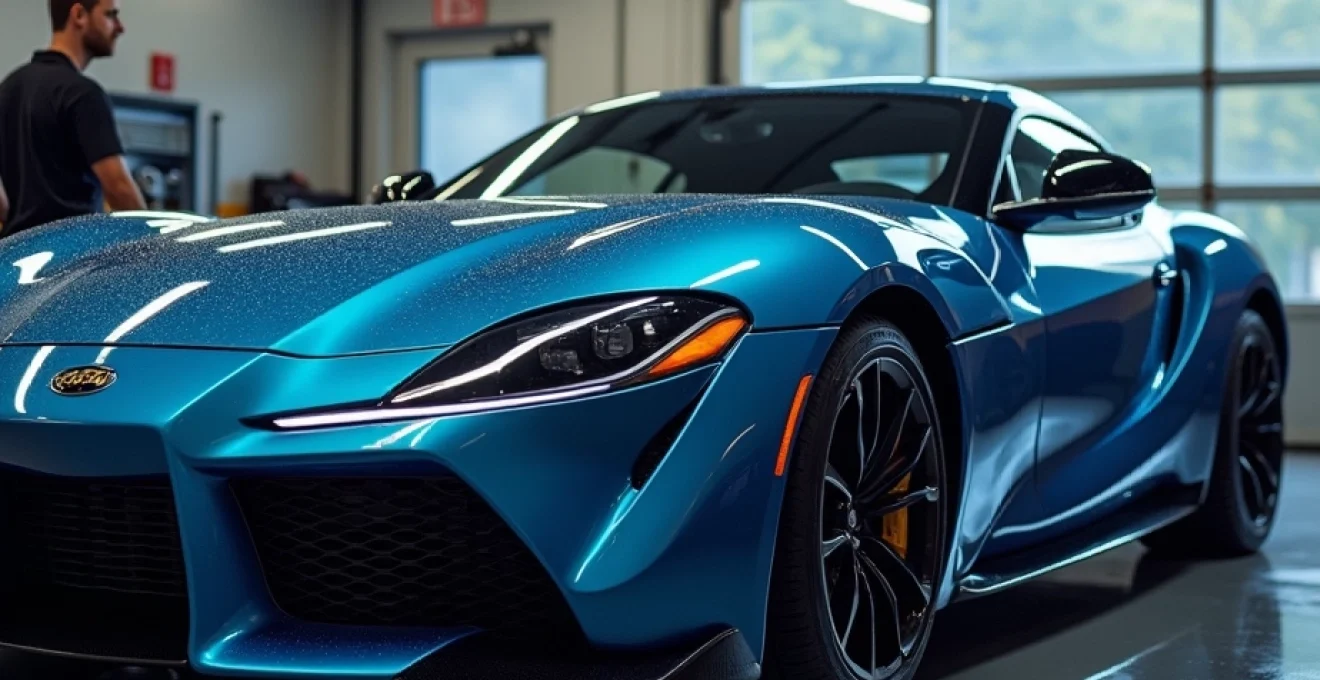
Professional car detailing represents far more than a luxury service for vehicle enthusiasts—it stands as a crucial investment in your automobile’s longevity, performance, and financial value. In today’s automotive landscape, where vehicles face increasingly harsh environmental conditions and sophisticated materials require specialised care, regular professional detailing has evolved into an essential maintenance practice. The modern car detailing industry has transformed dramatically, incorporating cutting-edge technologies, advanced protective coatings, and scientifically-proven methodologies that deliver measurable benefits extending well beyond surface aesthetics.
Unlike basic car washing, professional detailing encompasses comprehensive surface preparation, protection application, and maintenance protocols designed to preserve your vehicle’s condition for years to come. The investment in regular detailing services typically yields returns through enhanced resale values, reduced repair costs, and extended component lifespan, making it a financially sound decision for discerning vehicle owners.
Paint protection film and ceramic coating applications in professional car detailing
The evolution of paint protection technologies has revolutionised how professional detailers approach vehicle preservation. Modern protective systems offer unprecedented durability and performance characteristics that justify their investment through measurable long-term benefits. Paint protection film (PPF) and ceramic coatings represent the pinnacle of automotive surface protection, providing multi-layered defence against environmental hazards whilst maintaining optical clarity and aesthetic appeal.
XPEL ultimate plus and SunTek ultra paint protection film installation techniques
Professional installation of premium paint protection films requires meticulous surface preparation and precise application techniques. XPEL Ultimate Plus offers self-healing properties that automatically eliminate minor scratches and swirl marks through heat activation, whilst SunTek Ultra provides exceptional clarity and impact resistance. The installation process begins with thorough paint decontamination, followed by computer-cut pattern application that ensures perfect fitment without compromising vehicle aesthetics. These films typically provide 10-year warranties and can increase vehicle resale values by 3-5% through preserved paint condition.
Gtechniq crystal serum ultra vs ceramic pro 9H coating comparison
Professional-grade ceramic coatings offer chemical bonding with paint surfaces, creating permanent protective layers that resist environmental contamination. Gtechniq Crystal Serum Ultra features a unique two-layer system combining a base coat with enhanced chemical resistance and a topcoat optimised for hydrophobic properties. Ceramic Pro 9H utilises silicon dioxide and titanium dioxide formulations that achieve 9H pencil hardness ratings, providing superior scratch resistance. Both systems require professional application in controlled environments and offer 5-7 year protection periods with proper maintenance protocols.
Pre-application paint correction using rupes BigFoot polishers
Optimal coating adhesion requires perfectly prepared paint surfaces free from contamination and microscopic imperfections. Rupes BigFoot polishing systems employ dual-action orbital technology that removes oxidation, scratches, and swirl marks whilst minimising heat generation and paint removal. The correction process typically involves multiple polishing stages using progressively finer abrasives, with paint thickness measurements ensuring safe material removal. Professional detailers achieve mirror-like finishes that enhance coating performance and provide stunning visual results that justify the investment through dramatically improved appearance.
Curing times and environmental factors for coating longevity
Proper curing protocols directly impact coating performance and durability. Ceramic coatings require 12-48 hours of controlled environmental conditions with temperatures between 15-25°C and humidity levels below 50% for optimal cross-linking. During this period, exposure to moisture, extreme temperatures, or contaminants can compromise the coating’s integrity and reduce its protective capabilities. Professional facilities maintain climate-controlled environments that ensure consistent results regardless of external weather conditions, maximising the return on your detailing investment.
Advanced paint decontamination and surface preparation methodologies
Effective decontamination forms the foundation of professional detailing services, removing embedded contaminants that compromise both aesthetics and protection system performance. Modern decontamination techniques employ chemical and mechanical processes that safely eliminate iron particles, tar deposits, tree sap, and other bonded contaminants without damaging underlying paint surfaces.
Iron fallout removal using CarPro iron X and gyeon iron WheelCleaner
Iron contamination from brake dust and industrial fallout creates microscopic rust spots that penetrate clear coat layers, causing permanent staining if left untreated. CarPro Iron X utilises chemical dissolution to neutralise iron particles, changing colour from clear to purple as it reacts with contaminants. Gyeon Iron WheelCleaner offers pH-balanced formulations specifically designed for wheel surfaces whilst remaining safe for painted components. These products typically remove 85-90% of iron contamination during single applications, dramatically improving surface cleanliness and preparing paint for protection system application.
Clay bar vs nanoskin AutoScrub pad decontamination efficiency
Traditional clay bar decontamination provides excellent results but requires significant time investment and careful technique to avoid marring. Nanoskin AutoScrub technology offers polymer-based alternatives that achieve comparable decontamination levels with improved efficiency and safety margins. AutoScrub pads can be rinsed clean and reused multiple times, whilst clay bars become contaminated and require frequent replacement. Professional testing indicates that AutoScrub systems reduce decontamination time by approximately 40% whilst maintaining surface safety, making them increasingly popular in high-volume detailing operations.
Chemical etching assessment through paint depth gauge measurements
Accurate assessment of paint condition requires precise measurement tools that identify clear coat thickness and potential damage areas. Paint depth gauges utilise ultrasonic or magnetic induction technology to measure coating thickness with micron-level accuracy, enabling detailers to identify thin areas that require careful treatment. Etching from bird droppings, tree sap, or acid rain typically penetrates 5-15 microns into clear coat layers, requiring specialised correction techniques. Professional assessment prevents over-correction and ensures appropriate treatment protocols are selected for each vehicle’s specific condition.
Two-bucket wash method with grit guard integration
Proper washing technique prevents the introduction of new contamination during cleaning processes. The two-bucket method employs separate containers for wash solution and rinse water, with Grit Guard inserts that trap particles at bucket bottoms. This system reduces cross-contamination by approximately 75% compared to single-bucket washing, significantly decreasing the risk of inflicting wash-induced marring. Professional detailers often employ additional techniques such as pre-rinsing, foam pre-washing, and multiple mitt systems to further enhance washing safety and effectiveness.
Engine bay detailing and underhood component protection
Comprehensive vehicle detailing extends beyond visible surfaces to include engine bay cleaning and protection services that deliver practical benefits for vehicle performance and longevity. Professional engine bay detailing removes accumulated grime, oil deposits, and contaminants that can impact cooling efficiency, create fire hazards, and complicate routine maintenance procedures. The process typically begins with careful preparation to protect sensitive electrical components, followed by specialised cleaning products designed for high-temperature environments.
Modern vehicles contain sophisticated electronic systems that require careful handling during cleaning procedures. Professional detailers employ steam cleaning techniques that effectively remove contamination whilst minimising moisture exposure to sensitive components. Steam temperatures exceeding 150°C provide sanitisation benefits whilst breaking down stubborn deposits that resist conventional cleaning methods. The cleaning process typically reduces underhood temperatures by 5-10°C through improved heat dissipation, potentially extending component lifespan and improving performance.
Engine bay protection involves applying specialised dressings that resist high temperatures whilst providing UV protection for rubber and plastic components. These products typically contain silicone or polymer formulations that maintain flexibility in extreme temperature ranges, preventing cracking and deterioration that leads to expensive replacement costs. Professional application ensures even coverage without over-application that could attract additional contamination or create safety hazards through residue buildup on hot surfaces.
Regular engine bay maintenance facilitates easier mechanical inspections and repairs by providing clear visibility of component condition and fluid leaks. Clean engine bays enable mechanics to quickly identify developing problems before they require major repairs, potentially saving thousands in preventive maintenance costs. Professional detailing documentation provides valuable maintenance records that support warranty claims and demonstrate proper vehicle care to potential buyers during resale transactions.
Interior deep cleaning protocols for leather and fabric surfaces
Interior detailing represents a critical component of comprehensive vehicle care that directly impacts driver comfort, health, and vehicle value retention. Professional interior cleaning protocols address contamination sources including dust mites, bacteria, allergens, and odour-causing compounds that accumulate in porous materials over time. Advanced cleaning systems employ hot water extraction, steam sanitisation, and specialised chemistry to achieve deep cleaning results impossible through conventional methods.
Leather surface care requires understanding of material characteristics and appropriate treatment protocols that preserve natural properties whilst providing protection against wear and environmental damage. Professional leather cleaning begins with pH testing to determine appropriate product selections, followed by gentle cleaning that removes surface contamination without stripping natural oils. Conditioning treatments replenish essential oils that maintain suppleness and prevent cracking, whilst protection products provide barrier coatings that resist staining and wear.
Fabric upholstery cleaning employs hot water extraction techniques that penetrate deep into fibres, removing embedded soil and allergens that contribute to poor air quality. Professional equipment generates temperatures exceeding 90°C with vacuum recovery systems that remove 95% of applied moisture, preventing mould development and accelerating drying times. Stain protection treatments applied following cleaning create molecular barriers that prevent future soiling whilst maintaining fabric breathability and comfort characteristics.
Air quality improvement through professional interior cleaning provides measurable health benefits, particularly for individuals with respiratory sensitivities or allergies. Studies indicate that professional cleaning can reduce airborne allergen concentrations by 80-90% through removal of accumulated dust, pollen, and biological contaminants. HEPA filtration systems employed during cleaning capture particles as small as 0.3 microns, ensuring thorough contaminant removal that improves cabin air quality for extended periods following service completion.
Market value enhancement through professional documentation and maintenance records
Professional detailing services provide documentation benefits that extend far beyond immediate aesthetic improvements, creating verifiable maintenance records that significantly impact resale values and ownership costs. Comprehensive service documentation demonstrates consistent care that reassures potential buyers and supports premium pricing during resale transactions. Industry studies indicate that vehicles with complete professional detailing records command 8-12% higher resale values compared to similar vehicles without documented care histories.
Insurance benefits often accompany regular professional detailing through reduced premiums for comprehensive coverage and improved claim settlements following damage incidents. Insurance providers recognise that well-maintained vehicles present lower risk profiles through reduced likelihood of component failures and improved driver satisfaction that correlates with safer driving behaviours. Professional detailing documentation supports higher agreed-value policies for classic and luxury vehicles whilst providing evidence of proper care following insurance claims.
Warranty protection benefits emerge through documented maintenance that demonstrates compliance with manufacturer care requirements. Professional detailing records support warranty claims by proving that vehicle deterioration results from defects rather than neglect, potentially saving thousands in repair costs. Extended warranty providers often offer reduced premiums for vehicles with comprehensive maintenance documentation that includes professional detailing services, recognising the correlation between proper care and reduced claim frequency.
Professional detailing represents an investment strategy that delivers measurable returns through preserved condition, enhanced performance, and reduced ownership costs, making it essential for maximising automotive asset value.
Market research indicates that professional detailing frequency directly correlates with vehicle value retention, with quarterly services providing optimal cost-benefit ratios for most vehicle types. Luxury vehicles benefit from more frequent services due to higher material costs and greater depreciation exposure, whilst economy vehicles achieve acceptable results through semi-annual professional care supplemented by proper maintenance between services. The key lies in establishing consistent care routines that address developing problems before they require expensive corrections, maximising both immediate enjoyment and long-term financial benefits from your automotive investment.