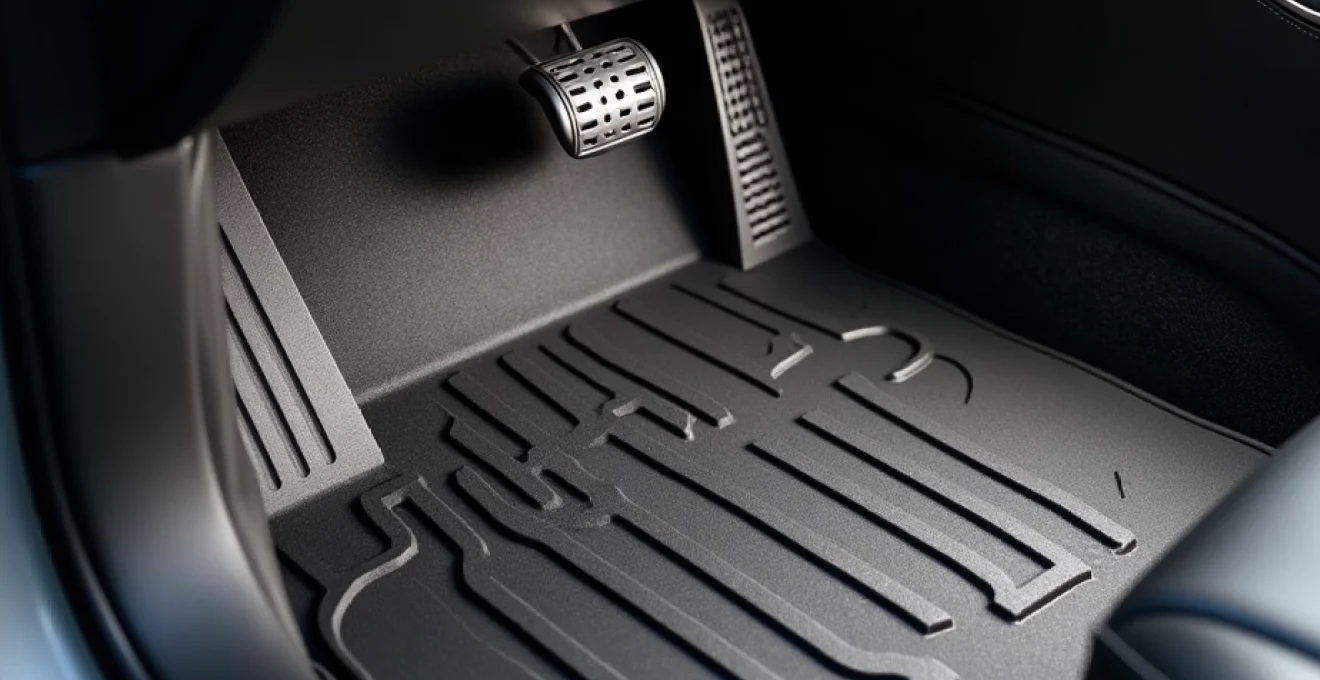
Vehicle interiors endure constant assault from dirt, moisture, debris, and daily wear that can permanently damage carpeting and compromise your car’s resale value. With drivers spending increasing amounts of time in their vehicles and facing diverse weather conditions throughout the year, protecting the cabin floor has become more critical than ever. Modern automotive floor protection solutions have evolved far beyond simple rubber coverings, incorporating advanced materials, precision engineering, and sophisticated manufacturing processes that deliver both exceptional protection and aesthetic appeal.
The automotive aftermarket floor mat industry has witnessed remarkable innovation in recent years, driven by consumer demand for products that combine durability, safety, and style. From thermoplastic elastomer compounds that resist extreme temperatures to laser-measured templates ensuring perfect vehicle fitment, today’s premium floor mats represent a significant investment in preserving your vehicle’s interior integrity. Understanding the technologies, materials, and design principles behind these protective solutions empowers you to make informed decisions that align with your specific driving conditions, usage patterns, and quality expectations.
Material composition and construction technologies in automotive floor protection
The foundation of any exceptional floor mat lies in its material composition and construction methodology. Modern automotive floor protection utilises sophisticated polymer science and manufacturing techniques to create products that withstand years of demanding use whilst maintaining their protective properties and visual appeal. Understanding these material technologies helps you identify which solutions offer the best combination of durability, performance, and value for your specific requirements.
Thermoplastic elastomer (TPE) versus natural rubber compounds
Thermoplastic elastomer has emerged as the premium material choice for high-performance floor mats, offering superior flexibility, chemical resistance, and temperature stability compared to traditional rubber formulations. TPE compounds maintain their structural integrity across temperature ranges from -40°C to +85°C, preventing the cracking and brittleness that plague natural rubber products during extreme weather conditions. This material also exhibits excellent resistance to automotive fluids, including petrol, oil, and cleaning chemicals, ensuring long-term durability in challenging environments.
Natural rubber compounds, whilst offering excellent grip characteristics and cost-effectiveness, present several limitations that impact long-term performance. Traditional rubber mats tend to harden in cold temperatures and can develop permanent deformation under sustained pressure from heavy usage. Additionally, rubber compounds are susceptible to ozone degradation and ultraviolet radiation, leading to surface cracking and colour fading over time. However, modern rubber formulations incorporate stabilising additives that significantly improve these characteristics whilst maintaining the material’s inherent flexibility and slip resistance.
Polyvinyl chloride (PVC) manufacturing processes and durability standards
PVC-based floor mats represent a cost-effective middle ground between premium TPE solutions and basic rubber products, offering good chemical resistance and ease of cleaning at a more accessible price point. Modern PVC manufacturing processes utilise calendering techniques that create uniform thickness and density throughout the material, eliminating weak points that could lead to premature failure. Advanced PVC formulations incorporate plasticisers and stabilisers that enhance flexibility and prevent the material from becoming brittle over time.
The durability of PVC floor mats depends heavily on the specific compound formulation and manufacturing quality control processes. Premium PVC products undergo rigorous testing protocols, including accelerated aging tests, chemical exposure assessments, and mechanical stress evaluations. These testing procedures ensure that the final product meets or exceeds industry standards for automotive interior applications. Quality PVC mats can provide reliable service for several years when properly maintained, making them an attractive option for budget-conscious consumers who refuse to compromise on basic protection requirements.
Carpet fibre technologies: nylon 6.6 versus polypropylene solutions
Carpeted floor mats utilise advanced synthetic fibre technologies that deliver both aesthetic appeal and practical durability. Nylon 6.6 represents the premium choice for carpet mat applications, offering exceptional resilience, stain resistance, and colour retention properties. This material exhibits superior crush recovery characteristics, meaning the carpet pile maintains its appearance and texture even after prolonged compression from foot traffic. Nylon 6.6 fibres also demonstrate excellent dye affinity, allowing for vibrant colours and patterns that resist fading under normal usage conditions.
Polypropylene carpet fibres provide a cost-effective alternative that still delivers good performance characteristics for less demanding applications. These synthetic fibres offer natural stain resistance due to their low surface energy, making them easy to clean and maintain. Polypropylene’s inherent moisture resistance prevents mould and mildew formation, contributing to a healthier cabin environment. However, polypropylene fibres exhibit lower resilience compared to nylon alternatives, potentially showing wear patterns more quickly in high-traffic areas. Modern polypropylene formulations address these limitations through advanced texturing processes that enhance durability and appearance retention.
Anti-slip backing systems: nitrile rubber and silicone grip technologies
Effective anti-slip backing systems represent a critical safety feature that prevents dangerous mat movement during driving operations. Nitrile rubber backing compounds provide excellent grip characteristics whilst maintaining flexibility across a wide temperature range. These synthetic rubber formulations resist degradation from automotive chemicals and cleaning products, ensuring consistent performance throughout the mat’s service life. Nitrile backing systems typically incorporate textured patterns that maximise contact area with the vehicle floor, enhancing grip effectiveness without creating pressure points that could damage underlying carpeting.
Silicone-based grip technologies offer premium performance characteristics, particularly in terms of temperature stability and chemical resistance. Silicone compounds maintain their grip properties across extreme temperature ranges and resist hardening or degradation from prolonged exposure to automotive fluids. Advanced silicone grip systems utilise micro-suction cup patterns that create mechanical adhesion with smooth surfaces whilst allowing easy removal for cleaning. These sophisticated backing systems often incorporate colour-coding to ensure proper mat orientation and placement, reducing installation errors that could compromise safety or performance.
Vehicle-specific fitment engineering and OEM integration standards
Precision fitment represents the hallmark of premium automotive floor protection, requiring sophisticated engineering processes and manufacturing techniques to achieve optimal coverage and performance. Custom-fitted mats provide superior protection compared to universal alternatives by eliminating gaps where debris can accumulate and ensuring complete coverage of high-wear areas. The development of vehicle-specific floor mats involves detailed analysis of OEM carpet patterns, retention systems, and interior design elements to create products that integrate seamlessly with the original vehicle architecture.
Laser-measured templates for Mercedes-Benz C-Class and BMW 3 series applications
Leading manufacturers utilise advanced laser measurement technology to create precise templates for popular vehicle models, ensuring millimetre-perfect fitment that matches OEM specifications. The Mercedes-Benz C-Class series, with its complex floor contours and premium interior appointments, requires particularly sophisticated template development to accommodate features such as heel-rest depressions and cable routing channels. Laser measurement captures these subtle details with unprecedented accuracy, enabling the creation of mats that complement rather than compromise the vehicle’s sophisticated interior design.
BMW 3 Series applications present unique challenges due to the model’s driver-focused ergonomics and sport-oriented floor pan design. Laser templates must account for the aggressive pedal positioning, raised floor sections, and integrated retention anchor points that characterise these vehicles. Modern template development processes incorporate multiple measurement points and cross-referencing techniques to ensure compatibility across different trim levels and production years. This attention to detail results in floor mats that appear virtually indistinguishable from factory equipment whilst providing superior protection and durability characteristics.
Universal Trim-to-Fit solutions versus custom moulded designs
Universal trim-to-fit floor mats offer a compromise between cost-effectiveness and coverage quality, utilising generous sizing and cutting guides to accommodate multiple vehicle types. These products typically feature trim lines and measurement grids that help users achieve acceptable fitment through careful cutting and shaping. However, the trimming process requires skill and patience to avoid creating irregular edges or removing excessive material that could compromise protection effectiveness. Universal solutions work best for older vehicles or situations where custom options are unavailable.
Custom moulded designs represent the pinnacle of floor mat engineering, utilising vehicle-specific tooling to create products with three-dimensional contours that perfectly match the target vehicle’s floor pan geometry. This manufacturing approach enables the incorporation of raised edges, drain channels, and retention features that would be impossible to achieve through trimming processes. Custom moulding also allows for the integration of vehicle-specific design elements, such as model badges or colour-matched trim accents, that enhance the overall aesthetic appeal whilst maintaining functional superiority.
Retention hook systems and factory anchor point compatibility
Modern vehicles incorporate sophisticated floor mat retention systems designed to prevent mat movement that could interfere with pedal operation or create safety hazards. OEM anchor points vary significantly between manufacturers, with some utilising simple hook-and-loop systems whilst others employ complex mechanical fasteners or integrated mounting hardware. Premium aftermarket floor mats must accommodate these retention systems whilst providing secure attachment that prevents mat displacement during normal driving operations.
Advanced retention hook systems utilise reinforced mounting points that distribute attachment forces across a broader area, preventing localised stress concentrations that could lead to premature failure. These systems often incorporate redundant attachment mechanisms that ensure continued security even if individual fasteners become damaged or worn. Compatibility with factory anchor points requires precise positioning of retention elements during the manufacturing process, often necessitating vehicle-specific tooling and quality control procedures that verify proper alignment and engagement characteristics.
Dashboard integration for land rover defender and toyota hilux models
Off-road oriented vehicles such as the Land Rover Defender and Toyota Hilux present unique integration challenges due to their rugged construction and extreme usage environments. These vehicles often feature simplified interior designs with robust materials and straightforward cleaning requirements that must be accommodated by floor mat solutions. Dashboard integration becomes particularly important in these applications, as dust and debris infiltration can compromise electronic systems and climate control effectiveness.
Defender and Hilux floor mat systems must address the vehicles’ tendency to accumulate large quantities of mud, sand, and water during off-road excursions. Advanced designs incorporate drainage channels and collection areas that contain contamination whilst allowing controlled removal during cleaning operations. Integration with dashboard elements requires careful consideration of air vent positioning and electronic component locations to ensure that protective measures do not interfere with vehicle functionality. These specialised applications demonstrate the importance of understanding specific vehicle requirements when designing comprehensive floor protection solutions.
Performance testing protocols and industry certification standards
Rigorous performance testing ensures that automotive floor mats meet stringent safety, durability, and environmental standards required for interior automotive applications. Industry certification protocols evaluate multiple performance parameters, including material flammability, chemical resistance, dimensional stability, and slip resistance characteristics. These comprehensive testing programmes provide consumers with confidence that certified products will perform reliably throughout their intended service life whilst maintaining safety standards that protect vehicle occupants.
Accelerated aging tests simulate years of real-world usage through controlled exposure to temperature cycling, ultraviolet radiation, and mechanical stress. These protocols typically involve thermal cycling between -40°C and +80°C for specified durations, followed by mechanical flexibility tests that verify the material’s ability to maintain its properties after extreme exposure. Chemical resistance testing evaluates mat performance when exposed to common automotive fluids, cleaning chemicals, and food substances that might be encountered during normal usage.
Flammability testing represents a critical safety requirement that ensures floor mats will not contribute to fire propagation in the event of an emergency. Federal Motor Vehicle Safety Standards specify burn rate limits and self-extinguishing requirements that automotive interior materials must meet. Advanced testing protocols also evaluate smoke generation and toxic gas emissions during combustion, providing comprehensive safety assessment that protects vehicle occupants. These rigorous standards ensure that certified floor mats contribute positively to overall vehicle safety whilst providing their intended protective functions.
Modern automotive floor mats must undergo extensive testing protocols that evaluate everything from temperature resistance to chemical exposure, ensuring they meet the demanding requirements of daily automotive use whilst maintaining safety standards that protect both the vehicle and its occupants.
Slip resistance testing utilises standardised protocols that measure the coefficient of friction between mat surfaces and typical footwear materials under various conditions. These tests evaluate performance on both dry and wet surfaces, simulating the range of conditions that drivers might encounter. Advanced testing protocols also assess the effectiveness of anti-slip backing systems, ensuring that mats remain securely positioned during normal driving operations. Results from these comprehensive testing programmes enable manufacturers to optimise their designs for maximum safety and performance whilst providing consumers with quantitative data to support purchasing decisions.
Leading manufacturer analysis: WeatherTech versus husky liners performance metrics
The premium automotive floor mat market features several established manufacturers who have built reputations for quality, innovation, and customer satisfaction. WeatherTech and Husky Liners represent two of the most recognised brands in this segment, each offering distinctive approaches to design, manufacturing, and customer service. Analysing their respective strengths and characteristics provides valuable insight into the factors that differentiate premium products from budget alternatives.
WeatherTech has established itself as the technology leader in custom-fit floor protection, utilising advanced laser measurement techniques and proprietary material formulations to create products that set industry standards for fitment precision and durability. Their DigitalFit technology employs computer-controlled laser measurement of actual vehicles to create templates with exceptional accuracy. This process enables the production of floor mats that provide complete coverage whilst maintaining precise clearances around pedals, seat tracks, and other critical components. WeatherTech’s commitment to American manufacturing has also resonated with consumers who value domestic production and quality control.
Husky Liners takes a different approach, focusing on practical durability and value proposition whilst maintaining high quality standards. Their X-act Contour technology utilises sophisticated computer modelling combined with physical prototyping to achieve excellent fitment characteristics at competitive price points. Husky Liners emphasises real-world testing and validation through partnerships with automotive enthusiasts and professional drivers who subject their products to extreme usage conditions. This testing philosophy has resulted in products that excel in demanding applications such as construction vehicles, outdoor recreation, and commercial fleet usage.
Performance metrics reveal distinct advantages for each manufacturer depending on specific application requirements. WeatherTech products consistently demonstrate superior dimensional accuracy and temperature stability, making them ideal for luxury vehicles and climate-controlled environments. Their premium materials and manufacturing processes result in products with exceptional longevity and appearance retention. Husky Liners products excel in heavy-duty applications, offering superior impact resistance and ease of cleaning that appeals to users who prioritise functionality over premium aesthetics.
The choice between premium floor mat manufacturers often comes down to specific priorities: WeatherTech leads in precision fitment and material quality, whilst Husky Liners excels in practical durability and value proposition for demanding applications.
Customer satisfaction surveys consistently rank both manufacturers highly, with WeatherTech receiving particular praise for product quality and customer service responsiveness. Husky Liners earns recognition for product durability and practical performance in challenging conditions. Warranty coverage differs between manufacturers, with WeatherTech offering comprehensive guarantees that reflect confidence in their materials and manufacturing processes. These performance characteristics demonstrate that both manufacturers have successfully identified and served distinct market segments within the premium floor mat category.
Installation methodologies and maintenance protocols for maximum longevity
Proper installation represents the foundation of effective floor mat performance, requiring attention to positioning, retention system engagement, and clearance verification to ensure both safety and protection effectiveness. Even the highest quality floor mats will fail to deliver optimal results if incorrectly installed or inadequately maintained throughout their service life. Understanding proven installation methodologies and maintenance protocols enables users to maximise their investment whilst ensuring continued safety and performance.
Initial installation should begin with thorough cleaning of the vehicle’s floor area to remove existing dirt, debris, and moisture that could interfere with proper mat positioning. Retention anchor points must be inspected and cleaned to ensure secure engagement with mat fastening systems. Custom-fit mats should be positioned according to manufacturer specifications, with particular attention paid to pedal clearances and seat track alignment. Universal mats require careful trimming and fitting, often involving multiple test installations to achieve optimal coverage and positioning.
Retention system engagement represents a critical safety consideration that must be verified after installation and periodically checked during routine maintenance. Hook-and-loop systems should engage fully without creating wrinkles or pressure points that could accelerate wear. Mechanical fasteners must engage properly without over-tightening that could damage the mat material or underlying carpet. Proper retention system function prevents dangerous mat movement that could interfere with pedal operation or create tripping hazards during vehicle entry and exit.
Regular maintenance protocols should include weekly debris removal and monthly deep cleaning procedures tailored to the specific mat material and usage conditions. Rubber and TPE mats benefit from simple rinse-and-dry cleaning cycles, whilst carpeted products require more sophisticated cleaning procedures involving appropriate detergents and thorough drying to prevent mould and mildew formation. Professional cleaning services may be beneficial for high-value carpeted mats that require specialised care to maintain their appearance and performance characteristics.
Seasonal maintenance considerations become particularly important in regions with extreme weather conditions or high seasonal variation in
contamination. Snow and ice accumulation can create moisture issues that lead to mold growth if not properly addressed through regular mat removal and thorough drying. Salt deposits from winter road treatments require immediate attention to prevent chemical damage to both the mat material and underlying carpet. Proper seasonal maintenance protocols extend mat service life whilst preventing costly interior damage that could compromise vehicle value.
Professional cleaning intervals should be established based on usage patterns and environmental conditions, with monthly deep cleaning recommended for vehicles exposed to harsh conditions. High-traffic commercial vehicles may require weekly professional attention, whilst personal vehicles in controlled environments can often extend cleaning intervals to quarterly or seasonal schedules. Documentation of maintenance activities helps identify wear patterns and optimise cleaning procedures for specific usage scenarios.
Cost-performance analysis across premium, mid-range, and budget market segments
Understanding the relationship between upfront investment and long-term value requires careful analysis of material quality, manufacturing standards, warranty coverage, and expected service life across different price segments. Premium floor mats typically command prices ranging from £150 to £400 per vehicle set, whilst budget alternatives can be purchased for £30 to £80. However, total cost of ownership calculations must consider replacement frequency, maintenance requirements, and potential damage prevention value to accurately assess the true economic impact of different choices.
Premium segment products justify their higher prices through superior materials, precision manufacturing, and comprehensive warranty coverage that often extends 3-5 years. Advanced TPE compounds and laser-cut fitment technologies deliver exceptional durability and performance characteristics that can provide reliable service throughout the vehicle’s ownership period. Premium manufacturers typically offer customer support services, replacement programs, and satisfaction guarantees that add significant value beyond the physical product itself.
Mid-range floor mats occupy the £80 to £150 price segment, offering good quality materials and manufacturing standards whilst maintaining accessibility for mainstream consumers. These products often utilise proven rubber or PVC formulations with simplified retention systems that provide effective protection without premium features. Quality mid-range products can deliver 2-3 years of reliable service under normal usage conditions, making them attractive for consumers who prioritise value over maximum performance characteristics.
Budget segment products serve price-sensitive consumers and applications where maximum protection is not critical. Universal-fit designs and basic materials help achieve low price points, though compromises in fitment precision and durability are inevitable. Budget floor mats may require replacement annually in demanding applications, potentially negating their initial cost advantage through increased replacement frequency and reduced protection effectiveness.
Total cost of ownership analysis reveals that premium floor mats often provide superior value over extended ownership periods, despite higher initial investment costs, through reduced replacement requirements and enhanced protection capabilities.
Resale value protection represents an often-overlooked benefit of premium floor mat investment, particularly for luxury and high-value vehicles where interior condition significantly impacts market appeal. Professional vehicle appraisals consistently identify well-maintained interiors as value-positive factors that can justify price premiums of several thousand pounds. Premium floor mats help preserve original carpet condition and overall interior appearance, contributing to stronger resale positions that can easily offset their initial cost.
Commercial and fleet applications benefit from different cost-performance equations due to higher usage rates and different replacement cycles. Fleet managers often find that mid-range products provide optimal balance between protection effectiveness and cost control, with replacement schedules aligned to vehicle service intervals. Professional drivers and commercial operators frequently choose products based on cleaning ease and durability rather than aesthetic considerations, favouring practical solutions that minimise downtime and maintenance costs.
Warranty analysis reveals significant differences in manufacturer confidence across market segments. Premium products typically offer comprehensive coverage including material defects, dimensional stability, and even satisfaction guarantees that allow returns within specified periods. Budget products may provide limited warranties that exclude normal wear and usage damage, requiring careful evaluation of terms and conditions. Extended warranty programs and customer support services add substantial value that justifies premium pricing for many consumers.
Environmental considerations increasingly influence purchasing decisions across all market segments, with eco-conscious consumers willing to pay premiums for sustainable materials and manufacturing processes. TPE and recycled rubber formulations command price premiums but offer enhanced environmental credentials that appeal to sustainability-focused buyers. Lifecycle analysis demonstrates that durable premium products often provide better environmental performance through reduced replacement frequency and lower total material consumption over extended usage periods.
Regional pricing variations reflect local manufacturing capabilities, import duties, and competitive dynamics that can significantly impact cost-performance relationships. European-manufactured products often command premiums in domestic markets whilst offering competitive alternatives to imported options in terms of quality and support. Understanding local market dynamics helps consumers identify optimal value propositions within their specific geographical regions.
Technology adoption rates vary significantly across market segments, with premium products incorporating cutting-edge materials and manufacturing processes years before they appear in mainstream offerings. Early adopters willing to pay premium prices help fund development costs that eventually enable technology migration to lower price points. This innovation cycle ensures continuous improvement across all market segments whilst rewarding forward-thinking consumers with access to the latest performance advances.