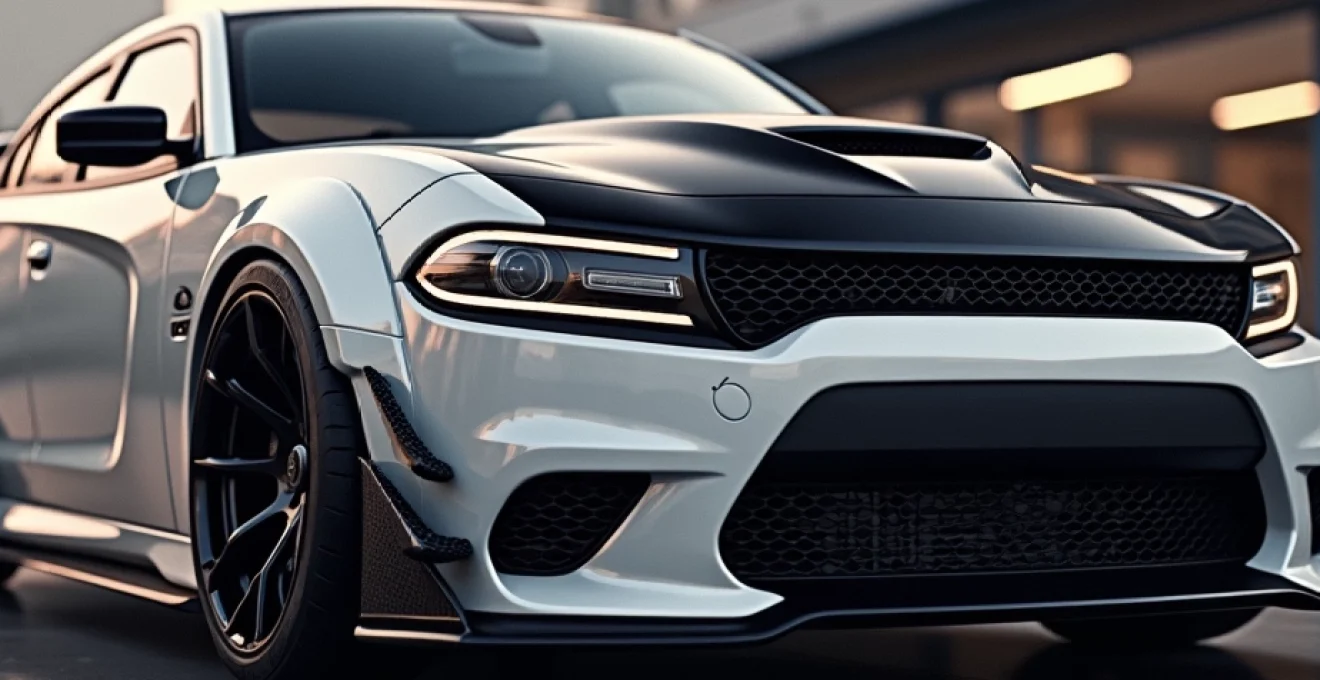
Car customisation represents far more than simple aesthetic modifications—it embodies the pursuit of automotive excellence through personalised engineering and design. Whether you’re seeking enhanced performance capabilities, distinctive visual appeal, or improved functionality, the world of vehicle modification offers endless possibilities for transforming your standard factory car into a unique expression of automotive passion.
The customisation landscape has evolved dramatically over recent years, with technological advancements enabling modifications that were once reserved for professional racing teams. From sophisticated engine management systems to aerodynamic body enhancements, today’s enthusiasts have access to professional-grade components that can fundamentally alter both the character and capabilities of their vehicles. This transformation goes beyond mere bolt-on upgrades, encompassing comprehensive modifications that require careful planning, technical expertise, and substantial investment.
Understanding the intricacies of vehicle modification requires appreciating the delicate balance between performance gains, aesthetic improvements, and practical considerations such as reliability, legal compliance, and cost-effectiveness. Modern customisation projects often involve multiple systems working in harmony, creating synergistic effects that exceed the sum of individual modifications. The key to successful customisation lies in establishing clear objectives and executing modifications with precision and quality.
Performance modifications: engine tuning and power enhancement strategies
Performance modifications represent the cornerstone of serious automotive customisation, targeting the fundamental systems that determine your vehicle’s power output, responsiveness, and overall driving dynamics. The modern approach to performance enhancement extends beyond traditional bolt-on modifications, incorporating sophisticated engine management technologies and precision-engineered components that can dramatically transform your vehicle’s capabilities.
Engine tuning encompasses a comprehensive approach to optimising combustion efficiency, airflow dynamics, and fuel delivery systems. Modern performance modifications leverage advanced materials science and computational fluid dynamics to achieve power gains that were previously impossible through conventional methods. The integration of multiple performance systems creates cumulative effects, where properly matched components work synergistically to deliver exponential improvements rather than simple additive gains.
Cold air intake systems: K&N vs AEM performance comparisons
Cold air intake systems represent one of the most accessible yet effective performance modifications available to enthusiasts. K&N Engineering has established a reputation for high-flow filtration technology, utilising their signature oiled cotton filter media to maximise airflow whilst maintaining excellent filtration efficiency. Their intake systems typically feature mandrel-bent aluminium tubing designed to minimise turbulence and pressure drops throughout the intake tract.
AEM takes a different approach, emphasising dry flow filtration technology combined with sophisticated intake tube geometries. Their Dryflow synthetic filter media eliminates the need for oiling whilst providing superior filtration characteristics compared to traditional paper elements. AEM systems often incorporate advanced features such as integrated bypass valves and velocity stacks optimised for specific engine configurations.
Performance comparisons reveal that both manufacturers deliver measurable gains, though the characteristics differ significantly. K&N systems typically provide more aggressive intake noise and slightly higher peak flow rates, whilst AEM systems offer more consistent performance across varying atmospheric conditions. The choice between these systems often depends on specific engine applications and personal preferences regarding maintenance requirements.
ECU remapping and chip tuning with cobb accessport technology
Electronic Control Unit remapping represents the most significant single modification available for modern vehicles, capable of unlocking substantial power gains through optimised fuel maps, ignition timing, and boost pressure control. Cobb Tuning’s Accessport platform has revolutionised the accessibility of professional-grade engine management, providing enthusiasts with the tools to safely modify engine parameters without permanent ECU modifications.
The Accessport system utilises pre-developed maps created by experienced calibrators, ensuring that modifications remain within safe operating parameters whilst maximising performance potential. Advanced users can further customise these maps through datalogging and refinement processes, creating truly bespoke calibrations tailored to specific modifications and driving requirements.
Modern ECU tuning extends beyond simple power gains, encompassing improvements to throttle response, transmission shift patterns, and even fuel economy under specific driving conditions. The ability to switch between multiple maps allows drivers to optimise their vehicles for different scenarios, from daily driving efficiency to track-focused performance configurations.
Turbocharger upgrades: garrett motion vs BorgWarner solutions
Turbocharger technology represents one of the most effective methods for achieving dramatic power increases, particularly on smaller displacement engines. Garrett Motion has established itself as an industry leader through their advanced aerodynamics and materials engineering, producing turbochargers that deliver exceptional efficiency across broad operating ranges.
BorgWarner approaches turbocharger design with emphasis on durability and response characteristics, utilising their extensive OEM experience to create upgrade solutions that maintain excellent reliability whilst providing substantial performance improvements. Their variable geometry technologies and advanced wastegate designs enable precise boost control across all engine speeds.
The selection between these manufacturers often depends on specific application requirements and performance objectives. Garrett Motion systems typically excel in high-performance applications requiring maximum power output, whilst BorgWarner solutions often provide superior low-end response and daily drivability characteristics.
Exhaust system modifications: borla ATAK vs magnaflow catback systems
Exhaust system modifications serve dual purposes: enhancing engine performance through improved flow characteristics whilst creating distinctive acoustic signatures that reflect the vehicle’s enhanced capabilities. Borla’s ATAK (Acoustically Tuned Applied Kinetics) technology represents a revolutionary approach to exhaust design, utilising sophisticated acoustic engineering to create systems that enhance sound quality rather than simply increasing volume.
Magnaflow takes a different philosophical approach, emphasising straight-through perforated core designs that maximise flow whilst providing deep, refined exhaust notes. Their systems typically feature larger diameter piping and high-quality stainless steel construction designed for long-term durability and corrosion resistance.
The choice between these exhaust philosophies often determines the overall character of your modified vehicle, with Borla systems providing more aggressive, race-inspired acoustics whilst Magnaflow systems deliver refined, sophisticated sound signatures.
Exterior customisation: aerodynamic and aesthetic body modifications
Exterior modifications represent the most visible aspect of automotive customisation, combining aerodynamic functionality with striking visual impact. Modern body modification techniques have evolved beyond simple aesthetic enhancements, incorporating sophisticated aerodynamic principles derived from motorsport applications. The integration of functional aerodynamic components can significantly improve high-speed stability, cornering performance, and even fuel efficiency when properly designed and implemented.
Contemporary exterior customisation encompasses a broad spectrum of modifications, from subtle aesthetic enhancements that complement the vehicle’s original design language to radical transformations that completely redefine its visual character. The most successful exterior modifications achieve harmony between form and function , creating visual drama whilst delivering measurable performance benefits.
Wide body kit installation: liberty walk vs rocket bunny designs
Wide body modifications represent one of the most dramatic exterior customisation options available, fundamentally altering the vehicle’s proportions and stance whilst accommodating significantly wider wheel and tyre combinations. Liberty Walk has pioneered the aggressive wide body aesthetic, creating designs that push the boundaries of automotive styling through dramatic fender flares, extended side skirts, and pronounced aerodynamic elements.
Rocket Bunny approaches wide body design with emphasis on functional aerodynamics, creating kits that enhance downforce generation whilst maintaining sophisticated visual appeal. Their designs often incorporate subtle aerodynamic elements that improve airflow management around the vehicle’s body, reducing lift and improving high-speed stability.
Installation requirements for both manufacturers demand significant technical expertise, as proper fitment requires precise body modifications and careful alignment of aerodynamic elements. The investment in professional installation ensures optimal fitment and prevents potential issues with panel gaps or aerodynamic effectiveness.
Carbon fibre components: hood, spoiler and diffuser integration
Carbon fibre components provide the optimal combination of weight reduction and structural integrity, making them increasingly popular for performance-oriented modifications. Modern carbon fibre manufacturing techniques enable the creation of components that are significantly lighter than their aluminium or steel counterparts whilst maintaining superior strength characteristics.
Hood modifications offer substantial weight savings over the vehicle’s front axle, improving weight distribution and reducing unsprung mass for enhanced handling characteristics. High-quality carbon fibre hoods can reduce front-end weight by 15-20 kilograms compared to standard steel components, whilst providing distinctive visual appeal through their characteristic weave patterns.
Spoiler and diffuser integration requires careful consideration of the vehicle’s aerodynamic balance, as improper implementation can negatively affect handling characteristics. Professional aerodynamic analysis ensures that these components work harmoniously to improve downforce generation without creating excessive drag or aerodynamic instability.
Custom paint techniques: hydro dipping vs vinyl wrap applications
Modern paint and surface finishing techniques have revolutionised the possibilities for exterior customisation, enabling complex patterns, textures, and colour schemes that were previously impossible or prohibitively expensive. Hydro dipping technology allows for the application of intricate patterns and textures through water transfer printing, creating unique finishes that integrate seamlessly with the vehicle’s body panels.
Vinyl wrap applications offer tremendous versatility and reversibility, making them increasingly popular for both permanent and temporary customisation projects. Advanced vinyl materials now available include colour-changing films, textured surfaces, and even holographic effects that create dramatic visual impact under different lighting conditions.
The choice between these techniques often depends on the desired permanence of the modification and the complexity of the chosen design. Hydro dipping provides permanent integration with superior durability, whilst vinyl wraps offer flexibility for future changes and typically require lower initial investment.
LED lighting conversions: retrofit projector headlights and sequential indicators
LED lighting technology has transformed automotive illumination, providing superior performance characteristics whilst enabling sophisticated lighting effects previously impossible with traditional incandescent bulbs. Retrofit projector headlight systems deliver dramatically improved illumination patterns with precise beam control that enhances safety without creating glare for oncoming traffic.
Sequential indicator systems have become increasingly popular, providing distinctive visual signatures that enhance the vehicle’s presence whilst improving safety through enhanced visibility. Modern LED controllers enable complex lighting sequences that can be customised to create unique visual effects tailored to individual preferences.
Professional installation ensures optimal beam patterns and compliance with lighting regulations, as improper headlight modifications can create safety hazards and legal complications. Quality LED conversions can improve illumination effectiveness by 200-300% compared to standard halogen systems.
Suspension and handling upgrades: coilovers and chassis reinforcement
Suspension modifications represent some of the most transformative upgrades available to automotive enthusiasts, fundamentally altering how vehicles interact with road surfaces and respond to driver inputs. Modern suspension technology has evolved to provide unprecedented levels of adjustability and performance, enabling drivers to fine-tune their vehicles’ handling characteristics for specific applications ranging from daily driving comfort to track-focused precision.
The integration of advanced suspension components creates synergistic effects that extend beyond simple ride quality improvements. Properly configured suspension systems enhance tyre contact patch consistency, improve weight transfer management during cornering and braking, and provide the foundation for extracting maximum performance from other vehicle modifications. Contemporary suspension design leverages sophisticated materials science and computational analysis to achieve performance levels that rival professional racing applications.
Coilover selection: BC racing vs KW variant suspension systems
Coilover suspension systems provide comprehensive control over ride height, damping characteristics, and spring rates, enabling precise tuning for specific performance objectives. BC Racing has established a strong reputation for providing high-performance coilover systems at accessible price points, utilising quality components and thoughtful engineering to deliver exceptional value propositions.
KW Suspension represents the premium end of the coilover market, incorporating advanced technologies such as frequency-selective damping and sophisticated valve designs that provide superior performance across varying road conditions. Their Variant series offers different levels of adjustability, from street-focused systems with simple height adjustment to race-oriented setups with comprehensive damping and rebound control.
The performance characteristics between these manufacturers reflect their different market positions and engineering philosophies. BC Racing systems typically provide excellent performance for enthusiast applications at competitive pricing, whilst KW systems deliver refined damping characteristics and superior build quality that justify their premium positioning.
Anti-roll bar upgrades: whiteline vs eibach sway bar configurations
Anti-roll bar modifications provide one of the most cost-effective methods for improving cornering performance and reducing body roll during aggressive driving. Whiteline has developed an extensive catalogue of anti-roll bar solutions utilising advanced metallurgy and sophisticated mounting systems to deliver precise handling improvements without compromising ride quality.
Eibach approaches anti-roll bar design with emphasis on progressive rate characteristics and optimal mounting geometry, creating systems that provide linear handling improvements across the full range of cornering forces. Their hollow bar construction reduces weight whilst maintaining structural integrity , contributing to improved suspension response and reduced unsprung mass.
Proper anti-roll bar selection requires careful consideration of the vehicle’s existing suspension characteristics and intended use patterns. Overly aggressive anti-roll bar configurations can create handling imbalances that reduce overall performance, making professional consultation valuable for optimal results.
Strut tower braces: cusco vs ultra racing chassis stiffening
Chassis reinforcement modifications address the fundamental structural limitations that can compromise suspension performance and handling precision. Cusco has pioneered advanced chassis reinforcement technologies, utilising sophisticated metallurgy and precision engineering to create bracing systems that significantly improve structural rigidity without adding excessive weight.
Ultra Racing takes a comprehensive approach to chassis stiffening, offering complete reinforcement packages that address multiple stress points throughout the vehicle’s structure. Their designs often incorporate adjustable elements that allow for fine-tuning of the chassis characteristics to suit specific performance requirements.
Effective chassis reinforcement can improve lap times by several seconds through enhanced suspension consistency and improved feedback to the driver, making these modifications particularly valuable for track-oriented applications.
Interior transformation: cabin customisation and technology integration
Interior modifications represent an opportunity to create a personalised driving environment that enhances both comfort and functionality whilst reflecting individual aesthetic preferences. Modern interior customisation extends far beyond simple upholstery changes, encompassing sophisticated technology integration, ergonomic improvements, and performance-oriented modifications that support enhanced driving experiences.
The contemporary approach to interior modification leverages advanced materials and manufacturing techniques to create bespoke environments that rival luxury vehicle interiors whilst incorporating performance-focused elements such as racing seats, roll cages, and advanced instrumentation. Quality interior modifications can transform the driving experience by improving comfort, reducing fatigue, and providing better connection between driver and vehicle.
Technology integration has become increasingly important in interior modifications, with modern systems enabling seamless connectivity between mobile devices, vehicle systems, and aftermarket components. Advanced infotainment systems, custom gauge clusters, and integrated data logging capabilities create comprehensive digital environments that enhance both daily usability and performance monitoring capabilities.
Materials selection plays a crucial role in interior modification success, with options ranging from premium leather and suede to high-tech synthetic materials that provide superior durability and performance characteristics. The integration of carbon fibre trim elements, custom stitching patterns, and personalised embroidery enables the creation of truly unique interior environments that reflect individual taste and style preferences.
Wheel and tyre modifications: sizing, offset and performance considerations
Wheel and tyre modifications represent one of the most visible and impactful upgrades available to automotive enthusiasts, fundamentally altering both the visual appeal and performance characteristics of any vehicle. The selection process extends far beyond aesthetic considerations, encompassing complex engineering factors such as unsprung weight reduction, rotational inertia optimisation, and contact patch maximisation that significantly influence overall vehicle dynamics.
Modern wheel technology has evolved to incorporate advanced materials science and manufacturing techniques, enabling the production of wheels that are simultaneously lighter, stronger, and more visually striking than previous generations. Forged aluminium construction provides exceptional strength-to-weight ratios, whilst advanced finishing techniques create distinctive visual effects that enhance the overall aesthetic impact of the modification.
Tyre selection requires careful consideration of compound characteristics, construction techniques, and size specifications that must be matched to both the wheel dimensions and intended use patterns. Performance tyres utilise sophisticated rubber compounds and tread patterns optimised for specific applications, from ultra-high-performance summer compounds that maximise grip to all-season designs that balance performance with year-round usability. Proper tyre selection can improve cornering performance by 15-20% compared to standard fitments.
Offset and sizing considerations play crucial roles in determining the modification’s impact on handling characteristics, suspension geometry, and overall vehicle dynamics. Incorrect wheel specifications can negatively affect steering response, increase suspension component wear, and create clearance issues that compromise safety and performance. Professional consultation ensures that wheel and tyre combinations optimise both visual impact and functional performance.
Legal compliance and MOT considerations for modified vehicles
Legal compliance represents a critical consideration for any vehicle modification project, as regulatory frameworks governing modified vehicles continue to evolve and become increasingly string
ent. Modern MOT testing procedures have adapted to accommodate many common modifications, though certain categories of modifications require additional scrutiny and documentation to ensure continued road legality.
Understanding the regulatory landscape requires familiarity with both national legislation and local enforcement practices, as interpretation of modification regulations can vary significantly between different testing authorities. Vehicle modifications must comply with Construction and Use Regulations, emissions standards, and safety requirements that govern various aspects of vehicle operation on public roads.
Documentation plays a crucial role in demonstrating compliance with relevant regulations, particularly for more extensive modifications that alter fundamental vehicle characteristics. Proper certification from qualified engineers can streamline the MOT process and provide assurance that modifications have been completed to appropriate standards. Professional installation certificates and component specifications help demonstrate that modifications meet safety and performance requirements.
Emissions compliance represents one of the most challenging aspects of modification legality, particularly for performance modifications that alter engine management systems or exhaust configurations. Modern testing equipment can detect even subtle changes to emissions characteristics, making professional calibration essential for maintaining compliance whilst achieving desired performance improvements.
The key to successful modification compliance lies in understanding regulations before beginning any project, ensuring that all modifications are documented and certified by qualified professionals, and maintaining open communication with MOT testing facilities familiar with modified vehicles.
Insurance implications extend beyond simple premium adjustments, encompassing coverage limitations and claim procedures that can significantly affect modified vehicle ownership. Many insurance providers now offer specialist modified vehicle policies that provide appropriate coverage for aftermarket components whilst recognising the enhanced value created through quality modifications. Proactive communication with insurance providers ensures adequate protection and prevents potential claim complications.
Future regulatory trends suggest increasing acceptance of quality modifications, particularly those that improve safety, efficiency, or environmental performance. The growing recognition of the modified vehicle community’s contribution to automotive innovation and economic activity has led to more pragmatic regulatory approaches that balance safety requirements with enthusiast interests. Staying informed about regulatory developments helps ensure long-term compliance and continued enjoyment of modified vehicles.