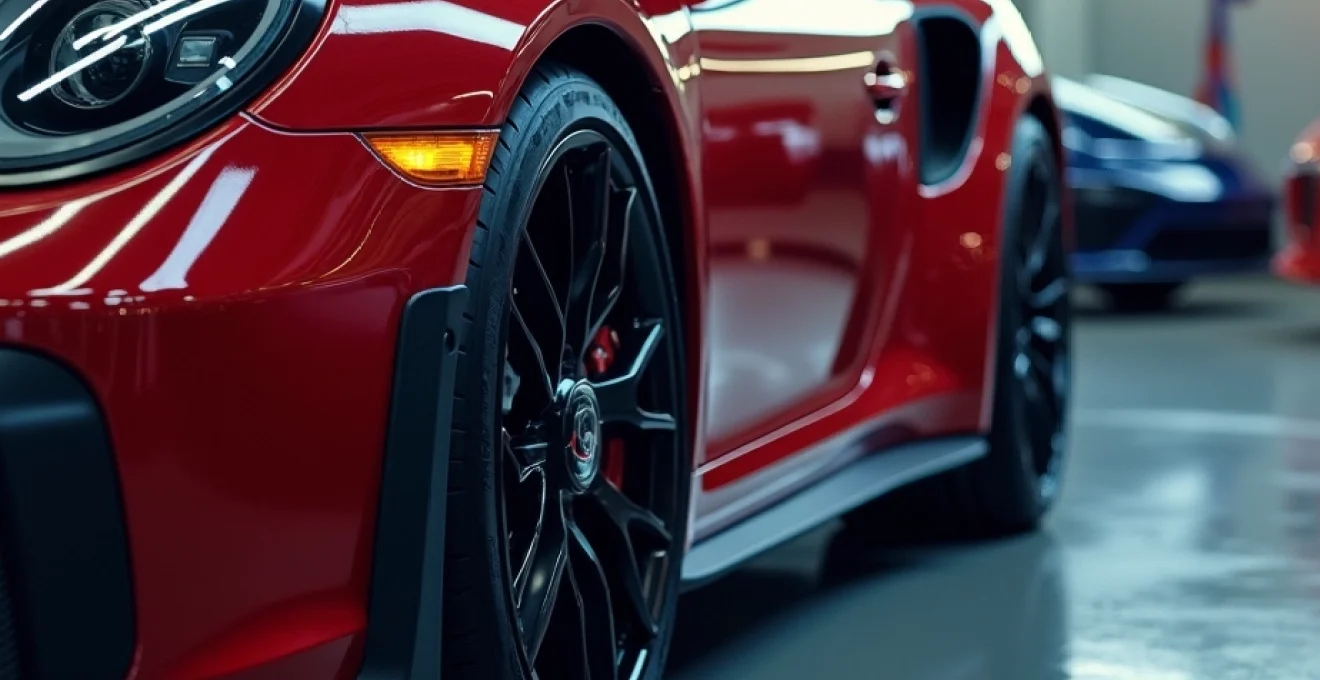
Maintaining your vehicle properly isn’t just about preserving its appearance—it’s a critical investment in safety, performance, and long-term value. Modern cars are sophisticated machines with intricate systems that require regular attention to function optimally. When you neglect routine maintenance, you’re not only risking unexpected breakdowns and costly repairs but also potentially compromising your safety and that of other road users. Professional automotive care has evolved significantly, incorporating advanced diagnostic tools, premium products, and scientifically-proven maintenance protocols that can extend your vehicle’s lifespan by decades. Understanding these fundamental maintenance principles will transform how you approach vehicle ownership, ensuring your car remains reliable, efficient, and safe throughout its operational life.
Essential engine bay maintenance procedures for optimal performance
The engine bay represents the heart of your vehicle’s operational systems, where multiple critical components work in harmony to deliver power, efficiency, and reliability. Regular engine bay maintenance extends far beyond simple oil changes—it encompasses a comprehensive approach to preserving every major system that contributes to your vehicle’s performance. Modern engines operate under increasingly demanding conditions, with tighter tolerances and more sophisticated technologies that require precise maintenance protocols.
Motor oil viscosity selection and change intervals using SAE standards
Motor oil serves as the lifeblood of your engine, providing crucial lubrication, heat dissipation, and contaminate suspension. The Society of Automotive Engineers (SAE) viscosity rating system helps you select the appropriate oil grade for your specific vehicle and operating conditions. Understanding viscosity ratings like 5W-30 or 0W-20 is essential—the first number indicates the oil’s flow characteristics at low temperatures, while the second represents its thickness at operating temperature.
Modern synthetic oils offer superior performance compared to conventional petroleum-based lubricants, maintaining their protective properties across wider temperature ranges and longer service intervals. Full synthetic formulations can typically last 7,500 to 10,000 miles between changes, whilst semi-synthetic blends generally require replacement every 5,000 to 7,500 miles. However, severe driving conditions—including frequent short trips, extreme temperatures, or dusty environments—may necessitate more frequent changes regardless of oil type.
Advanced oil monitoring systems in contemporary vehicles can provide real-time assessments of oil condition, considering factors like engine load, temperature fluctuations, and contamination levels. These systems offer more precise change intervals than traditional mileage-based schedules, potentially extending oil life whilst ensuring optimal protection.
Air filter element inspection and K&N vs OEM filter comparisons
The engine air filter protects your vehicle’s intake system from harmful contaminants whilst ensuring optimal airflow for efficient combustion. A clean air filter can improve fuel economy by up to 10% and significantly extend engine life by preventing abrasive particles from entering critical components. Regular inspection reveals filter condition through visual assessment—a dirty filter appears dark or clogged with debris, whilst a clean filter allows light to pass through easily.
When comparing aftermarket options like K&N performance filters to original equipment manufacturer (OEM) filters, several factors merit consideration. K&N filters utilise reusable cotton gauze media that can be cleaned and re-oiled, potentially lasting the vehicle’s lifetime with proper maintenance. These filters often provide increased airflow compared to paper-based OEM filters, which may translate to marginal performance improvements in modified or high-performance applications.
However, OEM paper filters excel at fine particulate filtration and require no maintenance beyond replacement. The filtration efficiency of paper elements typically exceeds that of cotton gauze filters, particularly for microscopic contaminants that can cause long-term engine wear. For most drivers prioritising convenience and maximum protection, OEM filters represent the optimal choice, whilst performance enthusiasts may benefit from the airflow advantages of reusable options.
Coolant system flush techniques with prestone and peak antifreeze products
The cooling system maintains optimal engine operating temperatures whilst preventing freeze damage and corrosion throughout the system. Over time, coolant degrades and accumulates contaminants that reduce its effectiveness and can damage critical components like the radiator, water pump, and heater core. Professional coolant system maintenance involves complete fluid replacement, system flushing, and careful product selection.
Prestone and Peak represent leading antifreeze manufacturers offering various formulations designed for specific vehicle requirements. Prestone’s extended-life coolants utilise organic acid technology (OAT) that provides protection for up to 150,000 miles, whilst their universal formulations are compatible with any coolant type. Peak products feature similar longevity and protection levels, with specialised formulations for European, Asian, and domestic vehicles.
Proper flushing technique involves draining the existing coolant, circulating a flushing solution to remove scale and deposits, thoroughly rinsing with distilled water, and refilling with the appropriate antifreeze mixture. The correct antifreeze-to-water ratio—typically 50:50—ensures optimal freeze protection whilst maintaining efficient heat transfer properties. Never use tap water for coolant mixing, as mineral content can cause scale formation and reduce system efficiency.
Serpentine belt tension adjustment using gates belt inspection methods
The serpentine belt drives multiple engine accessories including the alternator, power steering pump, air conditioning compressor, and water pump. This single belt’s failure can result in immediate loss of critical systems and potential engine damage from overheating. Gates Corporation, a leading belt manufacturer, has developed comprehensive inspection protocols that help predict belt failure before it occurs.
Visual inspection reveals several failure indicators: surface cracking (particularly across the ribs), glazing from slippage, fraying edges, or missing chunks of material. The Gates Belt Inspection Guide recommends checking belt tension using the span tension method—measuring deflection at the longest unsupported belt section. Proper tension typically allows 6-12mm of deflection when moderate pressure is applied.
Modern vehicles often employ automatic tensioners that maintain optimal belt tension throughout the belt’s service life. However, tensioner wear can cause insufficient tension, leading to belt slippage and premature failure. Regular tensioner inspection includes checking for smooth operation, proper spring tension, and bearing wear—a failing tensioner may produce squealing noises or allow visible belt flutter during operation.
Advanced tyre care and wheel alignment diagnostics
Tyres represent your vehicle’s only contact with the road surface, making their proper maintenance absolutely critical for safety, performance, and fuel efficiency. Advanced tyre care extends beyond simple pressure checks to encompass comprehensive monitoring of tread wear patterns, structural integrity, and alignment characteristics. Modern tyre technology incorporates sophisticated compounds and construction techniques that require equally sophisticated maintenance approaches to maximise their potential.
Tread depth measurement using digital callipers and penny test alternatives
Accurate tread depth measurement provides essential data for determining tyre replacement timing and identifying potential vehicle issues. Whilst the traditional penny test offers a rough approximation, digital callipers deliver precise measurements that enable more informed decisions about tyre condition and safety margins. Professional-grade tread depth gauges provide readings in 32nds of an inch or millimetres, allowing for detailed wear pattern analysis.
Legal tread depth minimums vary by jurisdiction, but most regions require at least 2/32″ (1.6mm) of remaining tread. However, wet weather performance deteriorates significantly before reaching legal limits—tyres should ideally be replaced when tread depth reaches 4/32″ (3.2mm) for optimal safety margins. Uneven wear patterns often indicate alignment issues, improper inflation, or suspension problems that require attention.
Digital measurement techniques involve taking readings at multiple points across each tyre’s width, including the centre and both shoulder areas. This comprehensive approach reveals irregular wear patterns that might indicate overinflation (centre wear), underinflation (shoulder wear), or alignment problems (one-sided wear). Regular measurement and documentation create a valuable maintenance history that can predict replacement timing and identify developing issues.
Nitrogen inflation benefits over standard compressed air systems
Nitrogen inflation has gained popularity in both commercial and consumer applications due to its molecular properties that offer several advantages over traditional compressed air. Nitrogen molecules are larger than oxygen molecules, resulting in slower permeation through tyre rubber and more stable pressure retention over time. This characteristic translates to less frequent pressure adjustments and more consistent tyre performance.
Temperature stability represents another significant nitrogen advantage—nitrogen-filled tyres experience less pressure fluctuation as temperatures change, maintaining more consistent contact patches and improving fuel economy. Racing applications have utilised nitrogen for decades due to these performance benefits, and the technology has gradually migrated to passenger vehicles seeking similar advantages.
However, nitrogen inflation requires specialised equipment and typically costs more than traditional air. The moisture-free environment of nitrogen systems prevents internal corrosion of wheels and tyre pressure monitoring systems, potentially extending their service life. For most drivers, the benefits are modest, but vehicles subjected to extreme conditions or those prioritising maximum fuel efficiency may justify the additional expense.
Hunter road force balancing vs traditional dynamic balancing techniques
Wheel balancing ensures smooth rotation and prevents vibrations that can cause premature wear and discomfort. Traditional dynamic balancing measures static and couple imbalances using spin balancing machines, adding weights to correct heavy spots. This approach effectively addresses most balance issues but cannot identify other factors that contribute to vibrations and irregular wear.
Hunter Road Force balancing simulates actual driving conditions by applying a weighted roller against the spinning tyre assembly whilst measuring force variations. This technique identifies problems that traditional balancing cannot detect, including tyre uniformity issues, wheel runout, and assembly problems. Road force variations exceeding manufacturer specifications can cause vibrations even when a wheel is perfectly balanced using traditional methods.
The Road Force process also enables force matching—positioning the wheel’s low spot opposite the tyre’s high spot to minimise overall force variation. This optimisation technique can dramatically improve ride quality and reduce irregular wear patterns that would otherwise require premature tyre replacement. Professional shops increasingly utilise Road Force balancing for problematic vehicles that cannot be resolved through traditional methods.
Camber and toe angle adjustments for performance and economy
Wheel alignment encompasses multiple geometric relationships between tyres, wheels, and suspension components that directly affect vehicle handling, tyre wear, and fuel efficiency. Camber angle—the inward or outward tilt of the wheel when viewed from the front—influences tyre contact patch characteristics and cornering performance. Excessive camber causes uneven shoulder wear and reduced straight-line stability.
Toe alignment refers to the parallel relationship between tyres when viewed from above—toe-in occurs when the front edges of tyres point toward each other, whilst toe-out represents the opposite condition. Proper toe adjustment ensures tyres roll straight ahead without scrubbing against the road surface. Even slight toe misalignment can dramatically increase tyre wear and reduce fuel economy.
Modern alignment systems utilise laser or camera-based measurements to achieve precise adjustments within manufacturer specifications. Performance applications may benefit from slight modifications to standard settings—increased negative camber can improve cornering grip, whilst reduced toe settings minimise rolling resistance for improved fuel economy. However, these modifications typically compromise other aspects of performance or tyre longevity.
Professional alignment services should always begin with comprehensive suspension inspection to identify worn components that could affect alignment stability or prevent accurate adjustments.
Brake system inspection and component replacement protocols
The brake system represents your vehicle’s most critical safety component, requiring meticulous maintenance and immediate attention to any signs of deterioration. Modern braking systems incorporate sophisticated technologies including anti-lock systems (ABS), electronic stability control (ESC), and brake assist features that depend on optimal component condition for proper operation. Understanding brake system maintenance protocols ensures maximum stopping power whilst preventing catastrophic failures that could endanger lives.
Brake pad inspection reveals wear through multiple indicators—most pads incorporate wear indicators that create audible warnings when replacement becomes necessary. Visual inspection through wheel spokes often reveals pad thickness, though precise measurement requires wheel removal. Quality brake pads typically feature 10-12mm of friction material when new, requiring replacement when material thickness reaches 3-4mm to maintain adequate stopping performance.
Brake disc condition directly affects pad wear and stopping effectiveness. Surface scoring, heat spots, and thickness variations indicate disc problems that may require resurfacing or replacement. Professional measurement tools assess disc thickness against manufacturer specifications—discs worn below minimum thickness compromise structural integrity and heat dissipation capacity. Disc warping from excessive heat causes pedal pulsation and uneven pad wear, often requiring replacement rather than resurfacing.
Brake fluid serves as the hydraulic medium transmitting pedal force to brake components throughout the vehicle. This hygroscopic fluid absorbs moisture over time, reducing its boiling point and potentially causing brake fade under severe conditions. Brake fluid should be replaced every two to three years regardless of appearance, as moisture absorption occurs even in sealed systems. Contaminated fluid appears dark or contains visible particles, indicating immediate replacement necessity.
Master cylinder and calliper inspection involves checking for external leaks, proper operation, and internal seal integrity. Brake pedal characteristics provide diagnostic information—a spongy feel indicates air in the system or internal leaks, whilst excessive pedal travel suggests worn pads or fluid loss. Professional brake bleeding procedures remove air from hydraulic systems, ensuring firm pedal feel and maximum stopping power. Modern vehicles with ABS require specialised bleeding procedures to purge air from electronic components.
Battery terminal corrosion prevention and charging system analysis
The electrical system powers increasingly sophisticated vehicle technologies whilst providing the energy necessary for engine starting and operation. Battery maintenance has become more critical as vehicles incorporate numerous electronic systems that place constant demands on electrical storage capacity. Understanding battery care and charging system diagnostics prevents unexpected failures whilst maximising electrical component longevity.
Battery terminal corrosion results from chemical reactions between battery acid vapours and terminal metals, creating resistance that impedes electrical flow. Regular cleaning with a solution of bicarbonate of soda and water neutralises acid deposits whilst removing corrosive buildup. Professional terminal protectants create barriers against future corrosion whilst improving conductivity—products like terminal grease or protective sprays significantly extend terminal life when properly applied.
Charging system analysis involves testing alternator output, voltage regulation, and belt-driven accessory performance under various load conditions. A properly functioning charging system maintains 13.8-14.4 volts at idle with all accessories operating, whilst delivering adequate amperage to meet electrical demands. Load testing reveals alternator capacity under maximum demand conditions—insufficient output capacity causes battery drain and eventual system failure.
Battery load testing determines actual capacity compared to rated specifications, identifying weak cells or reduced storage capability before complete failure occurs. Professional load testers apply controlled electrical loads whilst monitoring voltage stability—healthy batteries maintain adequate voltage under load, whilst failing units exhibit rapid voltage drops. Cold cranking amp (CCA) ratings indicate starting capability in cold conditions, with reduced CCA performance often preceding complete battery failure.
Modern vehicles incorporate sophisticated battery monitoring systems that track charge state, temperature, and load history to optimise charging algorithms and predict replacement timing. These systems provide valuable diagnostic information whilst protecting batteries from damaging overcharge or deep discharge conditions. Understanding system operation helps identify potential issues before they result in unexpected failures or reduced component life.
Regular electrical system maintenance prevents the majority of roadside failures whilst ensuring reliable operation of safety-critical systems like lighting, ignition, and electronic stability control.
Interior and exterior detailing with Professional-Grade products
Professional detailing transcends basic cleaning to encompass comprehensive protection and restoration of vehicle surfaces using advanced products and techniques. Modern automotive finishes, interior materials, and trim components require specialised care to maintain their appearance and protective properties throughout the vehicle’s life. Understanding professional detailing protocols enables car enthusiasts to achieve results comparable to commercial services whilst developing intimate knowledge of their vehicle’s condition and maintenance requirements.
Chemical guys and meguiar’s paint protection application methods
Paint protection represents one of the most critical aspects of exterior maintenance, as automotive finishes face constant assault from environmental contaminants, UV radiation, and mechanical damage. Chemical Guys and Meguiar’s have developed comprehensive product lines that address every aspect of paint care, from initial preparation through long-term protection maintenance. Understanding proper application techniques maximises product effectiveness whilst preventing damage from incorrect usage.
Surface preparation forms the foundation of effective paint protection—contaminants like embedded dirt, oxidation, and previous wax layers must be removed before applying new protective products. Clay bar treatment removes bonded contaminants that washing cannot eliminate, creating smooth surfaces that allow optimal product adhesion. Professional-grade clay bars from these manufacturers offer varying aggressiveness levels for different contamination types and paint conditions.
Modern paint protection products include traditional carnauba waxes, synthetic sealants, and ceramic coatings that provide different protection levels and longevity characteristics. Meguiar’s Ultimate Paste Wax offers deep gloss enhancement with moderate durability, whilst Chemical Guys HydroSlick ceramic coating provides years of protection with minimal maintenance requirements. Application technique significantly affects results—thin, even coats typically outperform thick applications that can create streaking or difficult removal.
Paint correction procedures
involves multiple stages including compound application, polishing, and protective coating installation. Swirl marks, light scratches, and oxidation require progressively aggressive correction methods, starting with fine polishing compounds and advancing to cutting compounds for severe defects. Meguiar’s ScratchX 2.0 effectively removes light imperfections, whilst Chemical Guys V-Series compounds tackle deeper damage requiring machine application.
Machine polishing utilises dual-action or rotary polishers to achieve professional-level correction that hand application cannot match. Proper pad selection—foam, microfibre, or wool—affects cutting ability and finish quality. Heat management during machine polishing prevents paint damage whilst maximising correction efficiency. Professional detailers often employ multi-stage correction processes, progressing from cutting compounds through polishing compounds to finishing products that eliminate microscopic marring.
Leather conditioning using lexol and chemical guys leather care systems
Leather interior components require specialised care to maintain their suppleness, appearance, and durability throughout years of use and exposure to temperature extremes. Natural leather contains oils and moisture that gradually diminish over time, leading to cracking, fading, and premature deterioration. Professional leather care systems from Lexol and Chemical Guys provide comprehensive solutions for cleaning, conditioning, and protecting leather surfaces using pH-balanced formulations that restore natural characteristics.
Lexol has established itself as the industry standard for leather care through decades of professional use in automotive, furniture, and equestrian applications. Their two-step system begins with Lexol Cleaner, which removes dirt, oils, and previous conditioning products without stripping natural leather oils. The pH-balanced formula ensures compatibility with all leather types whilst preparing surfaces for optimal conditioner absorption. Following cleaning, Lexol Conditioner penetrates deeply to restore flexibility and provide UV protection that prevents cracking and fading.
Chemical Guys leather care products offer advanced formulations that address specific leather conditions and desired outcomes. Their Leather Cleaner utilises gentle surfactants that lift embedded contaminants whilst preserving leather integrity, followed by Vintage Series Leather Conditioner that provides long-lasting protection and enhancement. The Vintage Series incorporates natural oils and conditioning agents that restore original leather characteristics whilst creating barriers against future damage.
Proper application technique significantly affects conditioning results—leather should be clean and cool before conditioner application, with products applied sparingly using microfibre applicators. Excessive conditioner application can create sticky surfaces that attract dirt, whilst insufficient coverage leaves leather vulnerable to drying and cracking. Professional detailers recommend conditioning every three to six months, with frequency adjustments based on climate conditions and usage patterns.
Glass treatment with rain-x and aquapel hydrophobic coatings
Visibility enhancement through advanced glass treatments provides significant safety benefits whilst reducing maintenance requirements during adverse weather conditions. Hydrophobic coatings create molecular barriers that cause water to bead and sheet off glass surfaces, dramatically improving visibility during rain storms and reducing ice formation in winter conditions. Rain-X and Aquapel represent leading technologies in glass treatment, offering different application methods and performance characteristics.
Rain-X utilises silicone-based formulations that bond to glass surfaces at the molecular level, creating invisible barriers that repel water whilst maintaining optical clarity. The treatment process involves thorough glass cleaning to remove all contaminants, followed by thin, even product application using circular motions. Proper curing requires allowing the product to haze before buffing to clarity—premature removal compromises performance whilst excessive product application creates streaking and visibility issues.
Aquapel employs fluorinated coating technology that provides superior durability and water repellency compared to traditional silicone treatments. Single-use applicators ensure proper product dispensing whilst preventing contamination that can affect performance. The fluorochemical bonding process creates more durable hydrophobic surfaces that maintain effectiveness for extended periods, often lasting six months or more under normal driving conditions.
Application timing and environmental conditions significantly affect coating performance—treatments should be applied in shaded areas with moderate temperatures and low humidity. Glass surface preparation involves removing all previous treatments, wax residue, and mineral deposits that can prevent proper bonding. Professional-grade glass cleaners containing ammonia or alcohol effectively prepare surfaces for coating application, ensuring maximum adhesion and longevity.
Dashboard UV protection using 303 aerospace protectant formulations
Interior surfaces face constant UV exposure that causes fading, cracking, and deterioration of plastic, vinyl, and rubber components. Dashboard protection requires products that provide effective UV screening whilst maintaining natural surface appearance and feel. 303 Aerospace Protectant has earned recognition as the gold standard for interior protection through its advanced polymer formulations that offer superior UV blocking without creating glossy or greasy surfaces.
The aerospace heritage of 303 products reflects their development for extreme conditions where failure carries serious consequences. Original formulations protected aircraft interiors from intense high-altitude UV exposure, gradually expanding to automotive applications where similar protection levels benefit long-term interior preservation. The water-based formula penetrates surface pores to provide deep protection whilst maintaining natural texture and appearance.
Proper application involves cleaning surfaces with appropriate products before protectant application—dashboard cleaners remove accumulated dirt, oils, and previous treatments that can interfere with new product bonding. Microfibre application cloths ensure even distribution whilst preventing lint deposits that can affect appearance. Light, even coverage provides optimal protection without creating surfaces that reflect sunlight into driver’s eyes or attract dust and dirt.
UV protection effectiveness varies significantly between products—cheaper alternatives often provide minimal protection whilst creating artificial gloss that compromises interior aesthetics. 303 Aerospace Protectant blocks UV radiation across the entire spectrum whilst maintaining protection effectiveness for months between applications. Regular treatment every three to four months provides comprehensive protection that preserves interior value and prevents costly replacement of damaged components.
Professional-grade interior protection extends beyond aesthetics to preserve vehicle value and prevent premature component replacement that can cost thousands of pounds over the vehicle’s lifetime.